Prepared by the Imperial Cushions editorial team. Laboratory terminology is retained where a report is cited; historical context and dealer judgment are identified as interpretation.
The Antique Cushion Diamond Atlas is a live index of diamonds documented by Imperial Cushions. Use it to compare hand-shaped outlines and facet patterns across documented examples.
How to use the atlas
Open several diamond pages and compare one feature at a time: outline, central pattern, culet, brightness distribution and condition. When dimensions are available, calculate the length-to-width ratio and compare face-up spread at related weights.
Images orient the eye. Video and direct inspection finish the job, because lighting, camera distance and exposure can change what a stone looks like on screen.
What to compare
- Outline: square, rectangular, elongated, rounded or irregular.
- Corners and shoulders: broad, narrow, balanced or individually shaped.
- Central pattern: organised, asymmetric, open or strongly contrasted.
- Culet: size, position and relationship to the face-up pattern.
- Facet scale: broad flashes or smaller, quicker reflections.
- Face-up spread: visible dimensions in relation to weight.
- Condition: girdle variation, chips, abrasion, naturals and repolishing.
For the technical framework, read Old Mine Cushion Proportions and the Antique Diamond Condition Guide.
The atlas records documented stones. Contact Imperial Cushions for current availability and inspection terms.
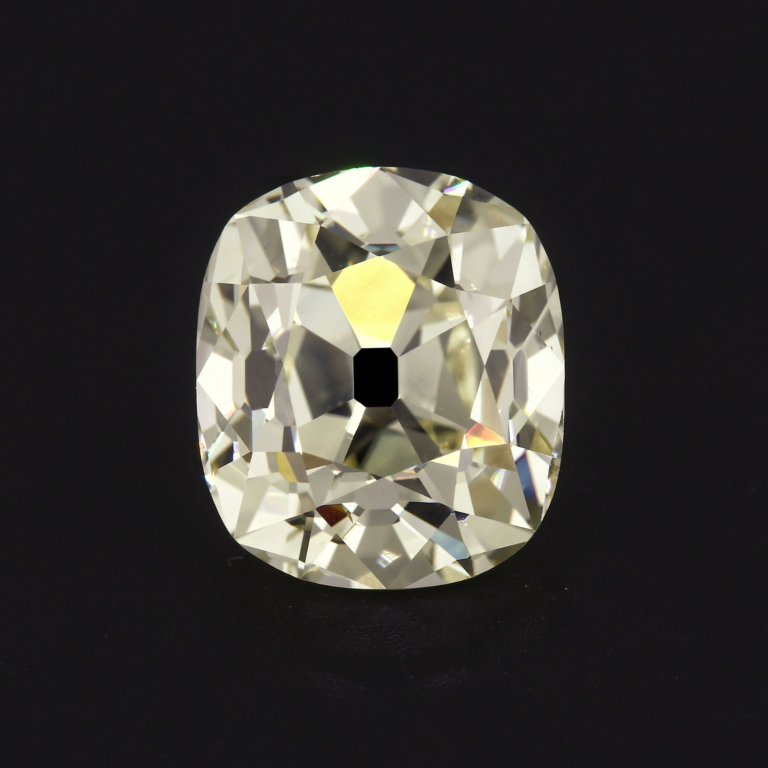
12.78 Ct. Y-Z VS2 Old Mine Cushion
View stone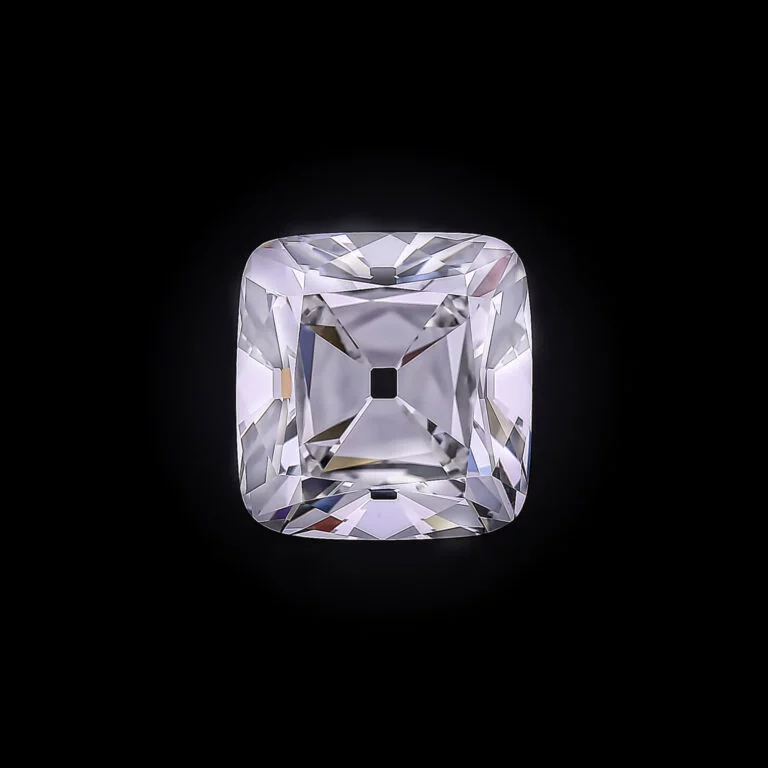
3.06 Ct. G VVS2 Old Mine Cushion Brilliant
View stone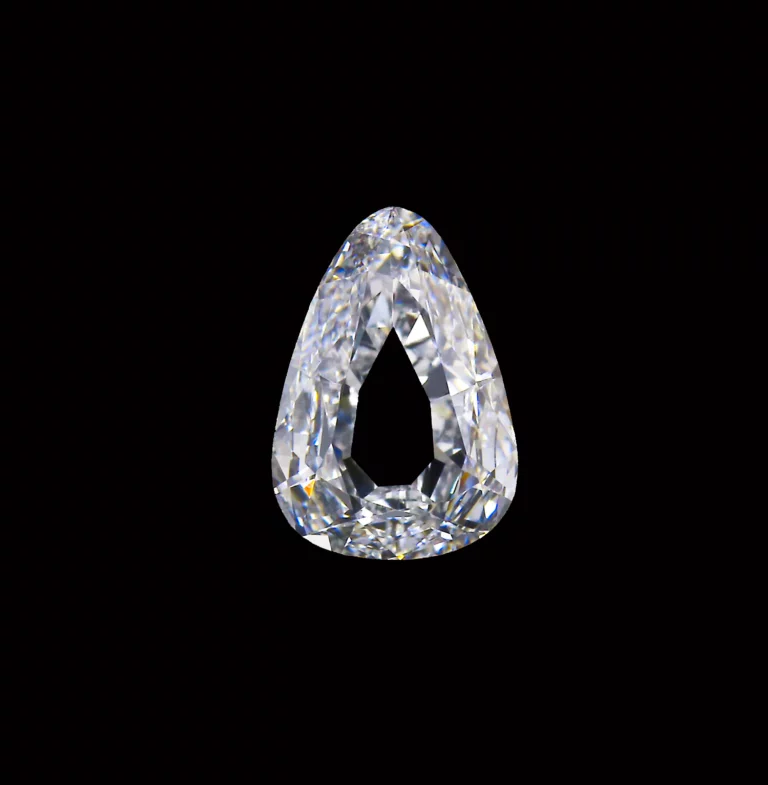
3.04 Ct. D IF Old Cut Pear TypeIIa
View stone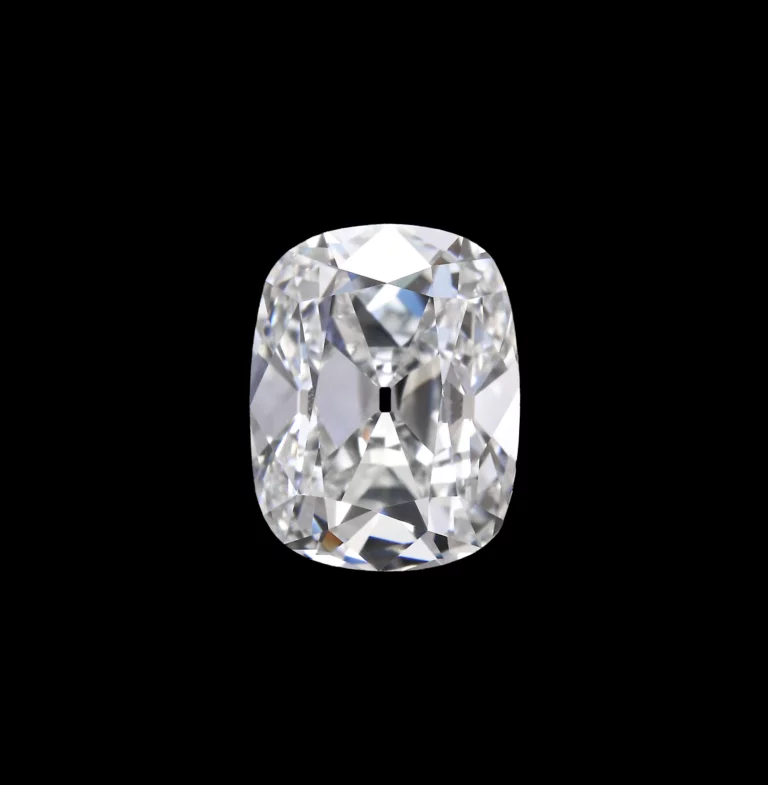
5.03 Ct. F VS1 Old Mine Cushion
View stone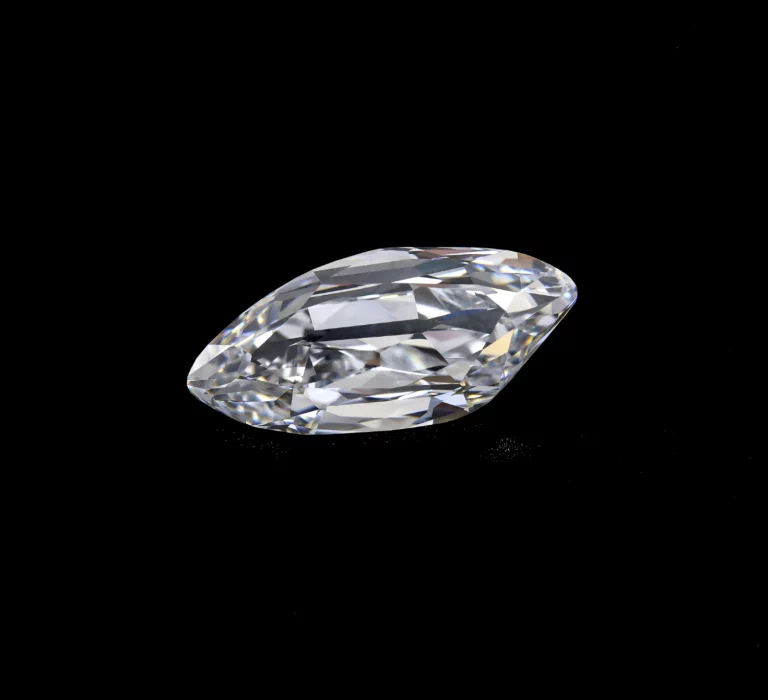
9.89 Ct. D IF Old Mine Leaf Shape TypeIIa
View stone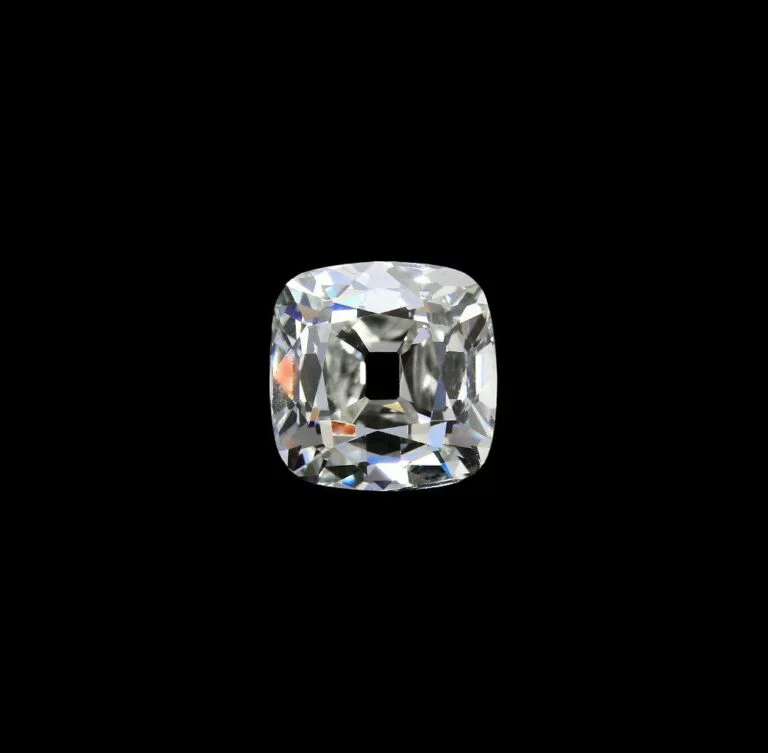
4.02 Ct. K SI1 Old Mine Cushion Brilliant
View stone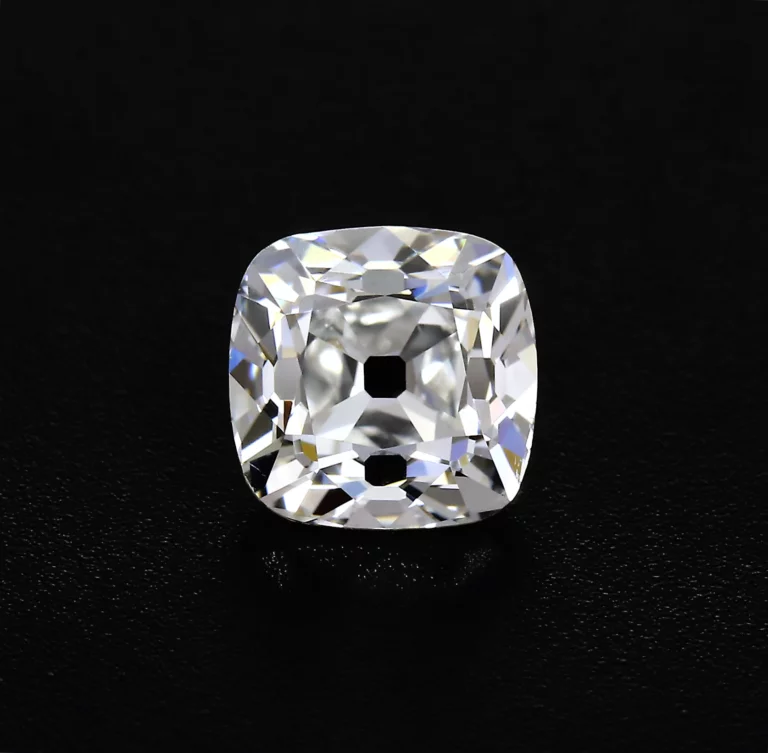
3.01 Ct. G VS2 Old Mine Cushion Brilliant
View stone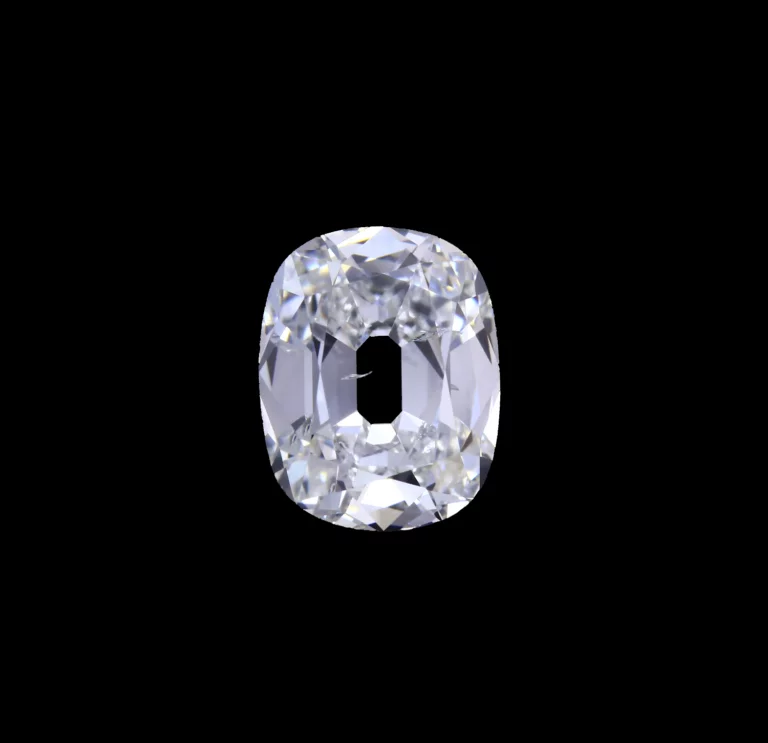
3.09 Ct. F SI2 Old Mine Cushion Brilliant
View stone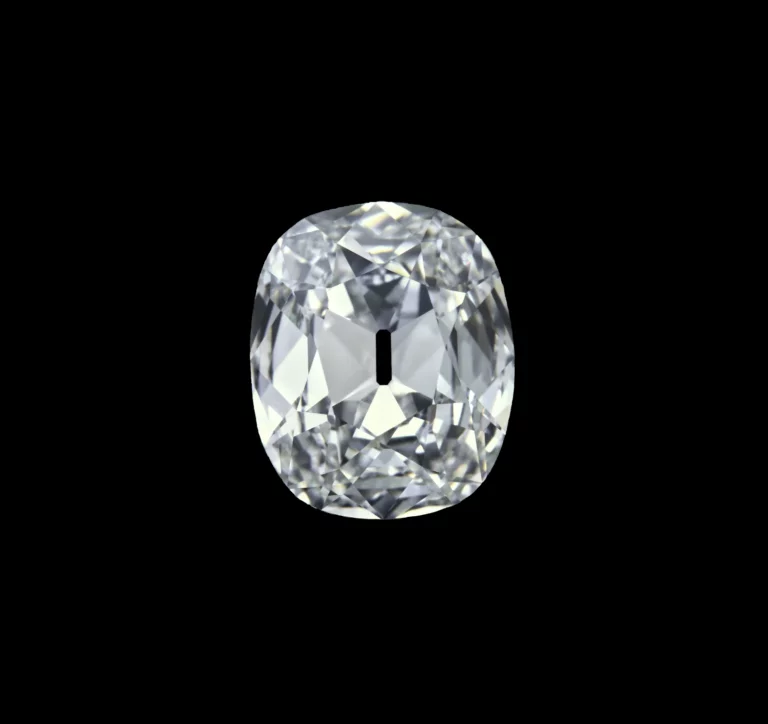
9.04 Ct. F IF Old Mine Cushion
View stone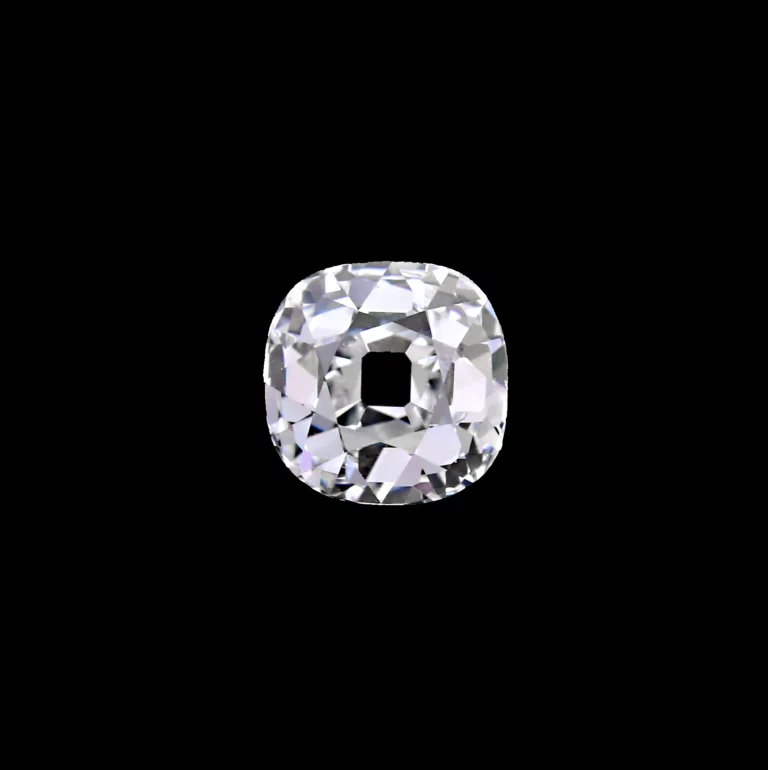
2.02 Ct. D VS2 Old Mine Cushion MB
View stone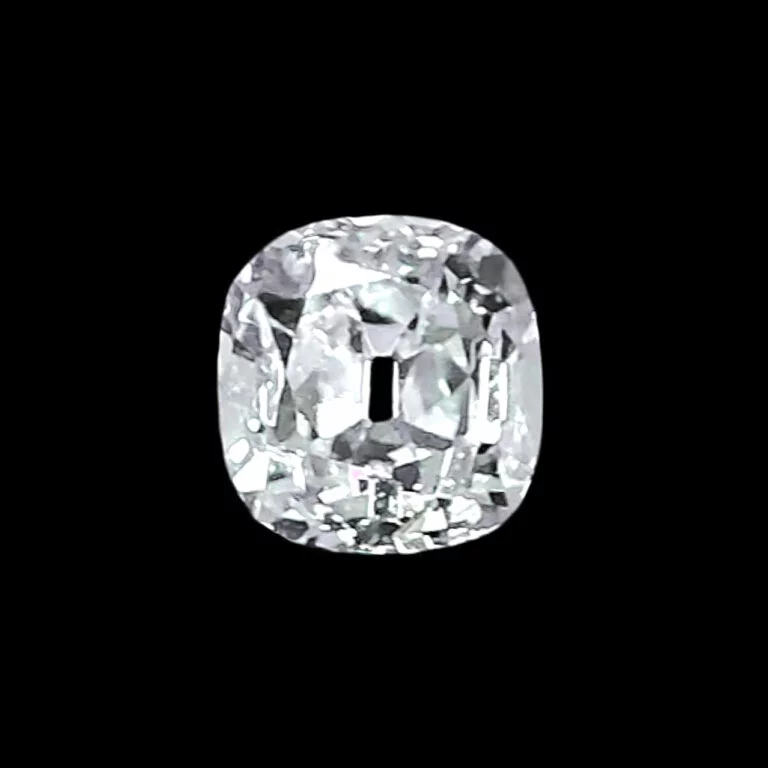
1.52 Ct. D SI1 Old Mine Cushion
View stone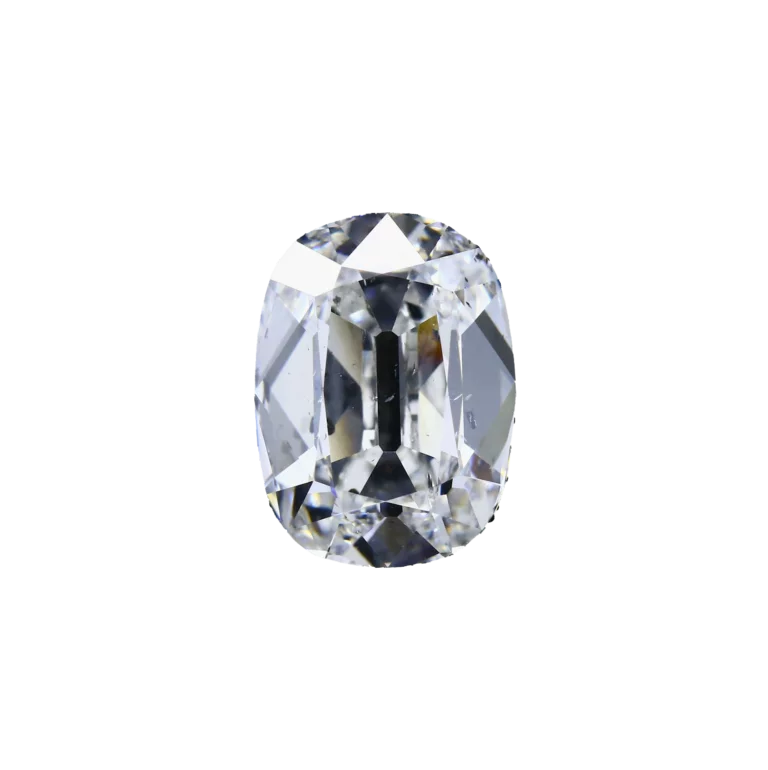
5.16 Ct. G SI2 Old Mine Cushion
View stone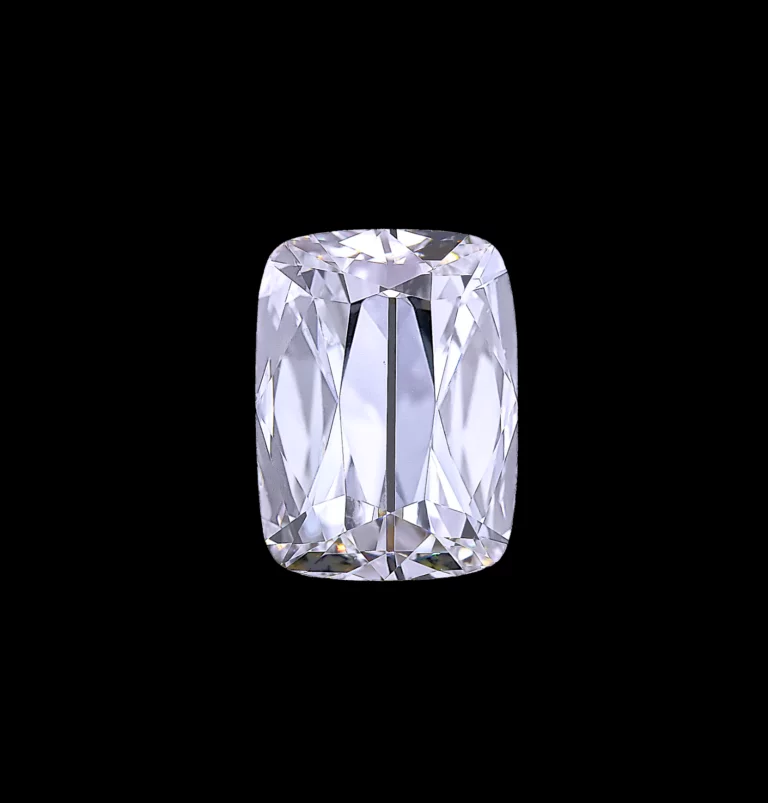
6.71 Ct. G VS1 Old Cut Cushion
View stone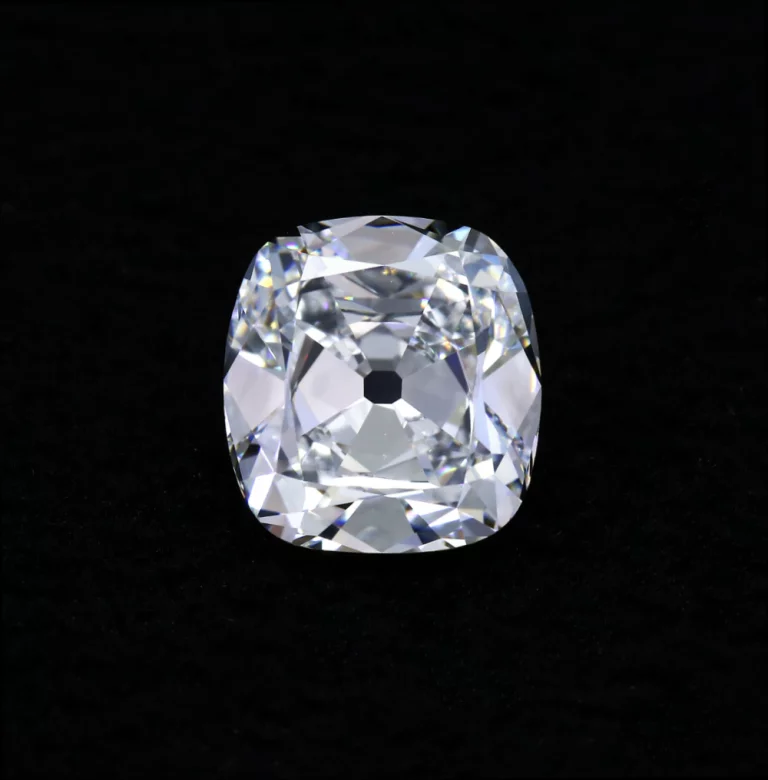
6.01 Ct. D VS2 Old Cut Cushion
View stone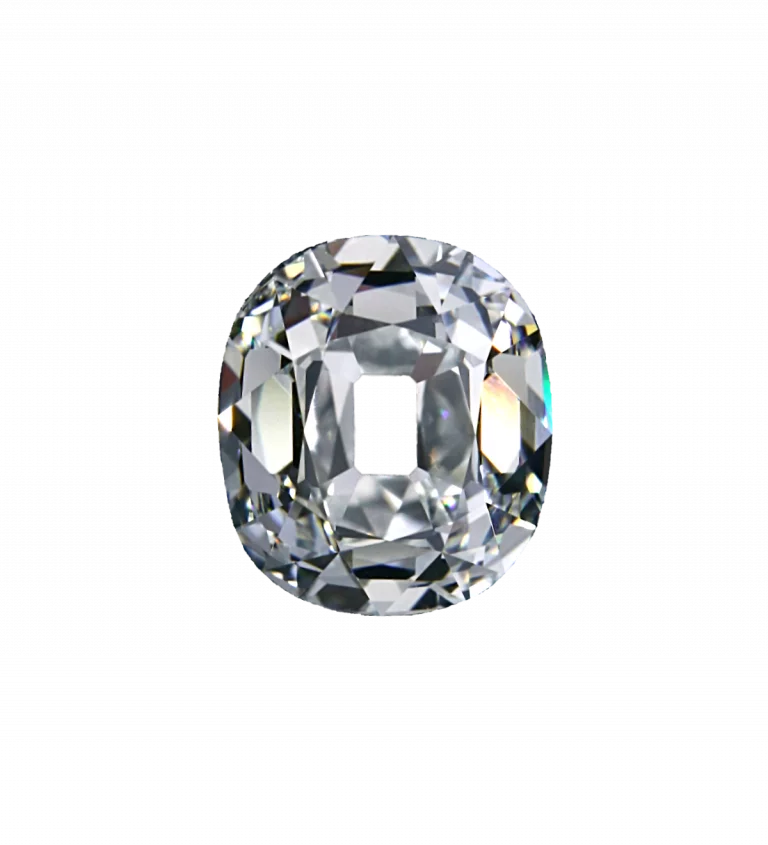
5.02 Ct. H VS2 Old Mine Cushion
View stone
5.01 Ct. H VS1 Old Mine Cushion
View stone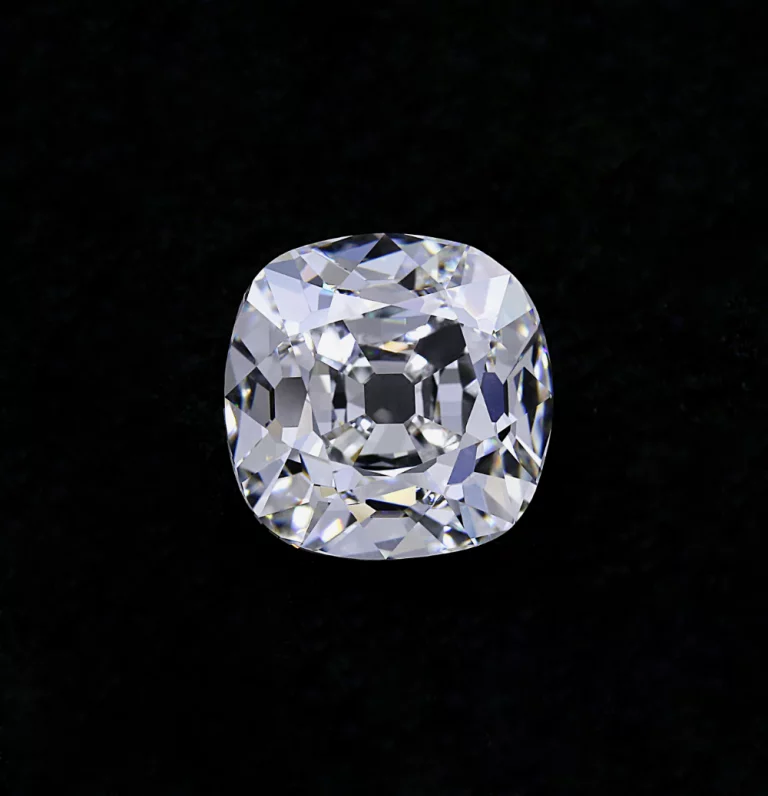
8.01 Ct. H VVS2 Old Mine Cushion
View stone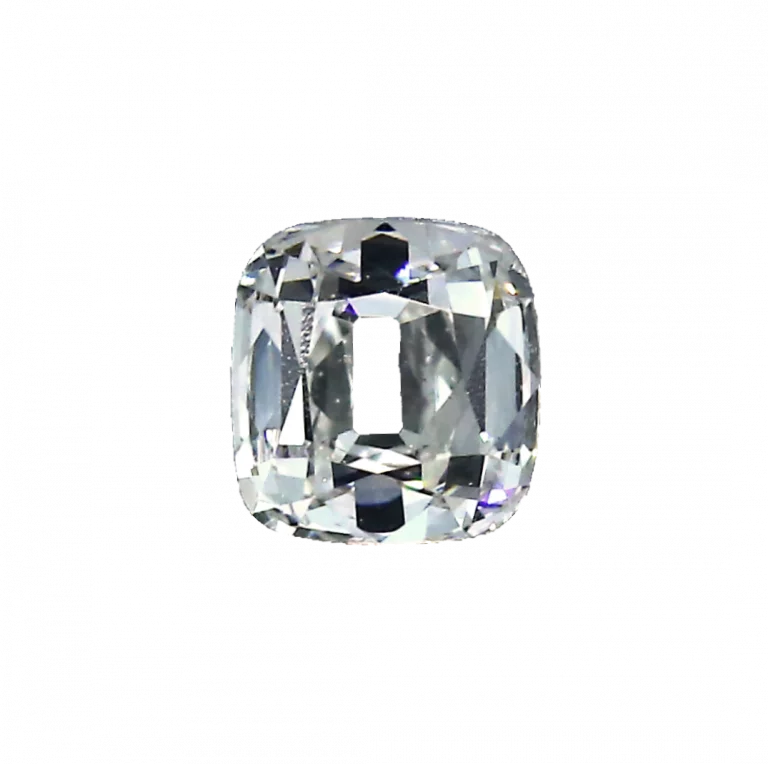
2.01 Ct. H SI1 Old Mine Cushion
View stone
2.01 Ct. D VS2 Old Mine Cushion Strong
View stone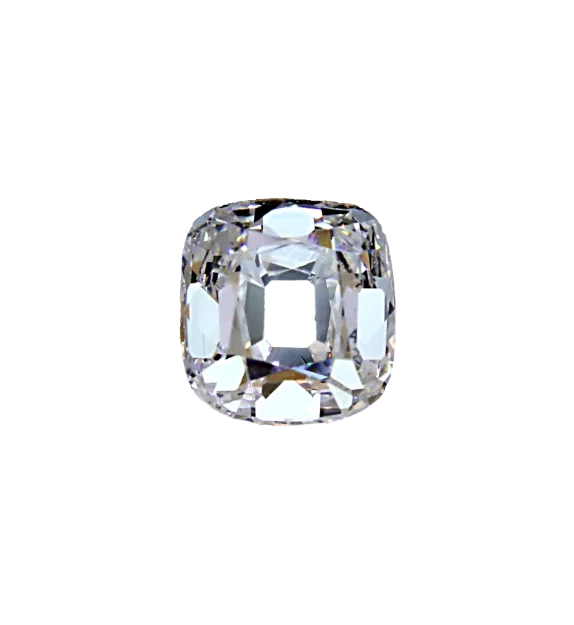
2.03 Ct. F VS1 Old Mine Cushion
View stone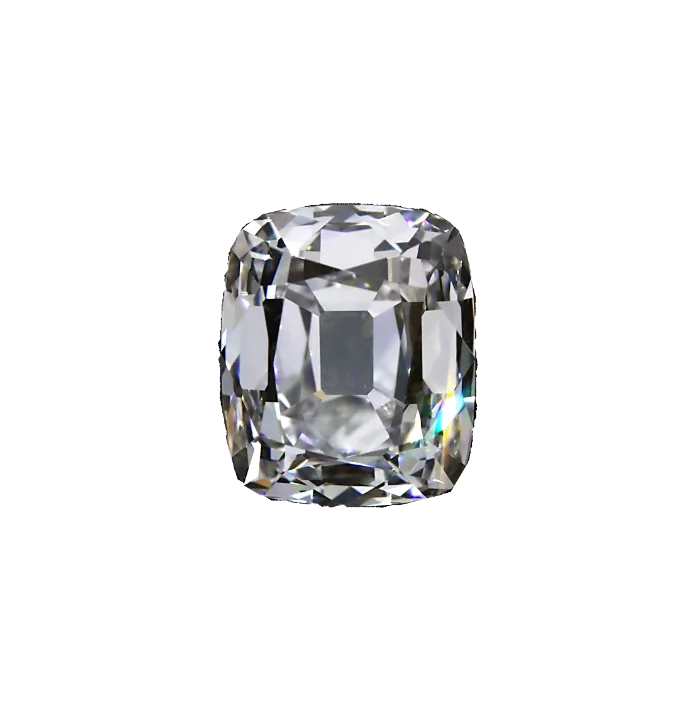
2.13 Ct. D IF Old Mine Cushion
View stone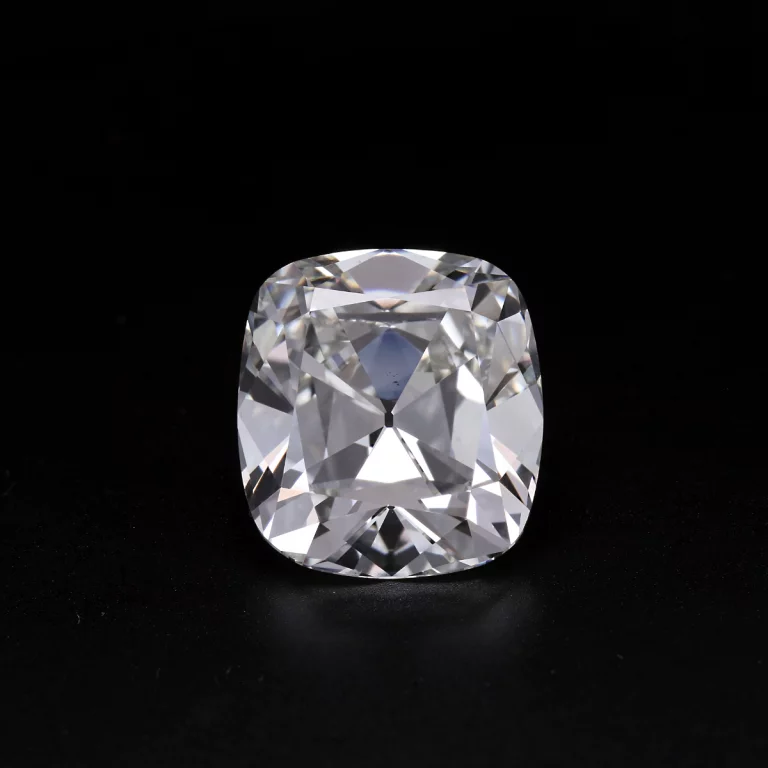
16.06 Ct. I SI1 Cushion Brilliant
View stone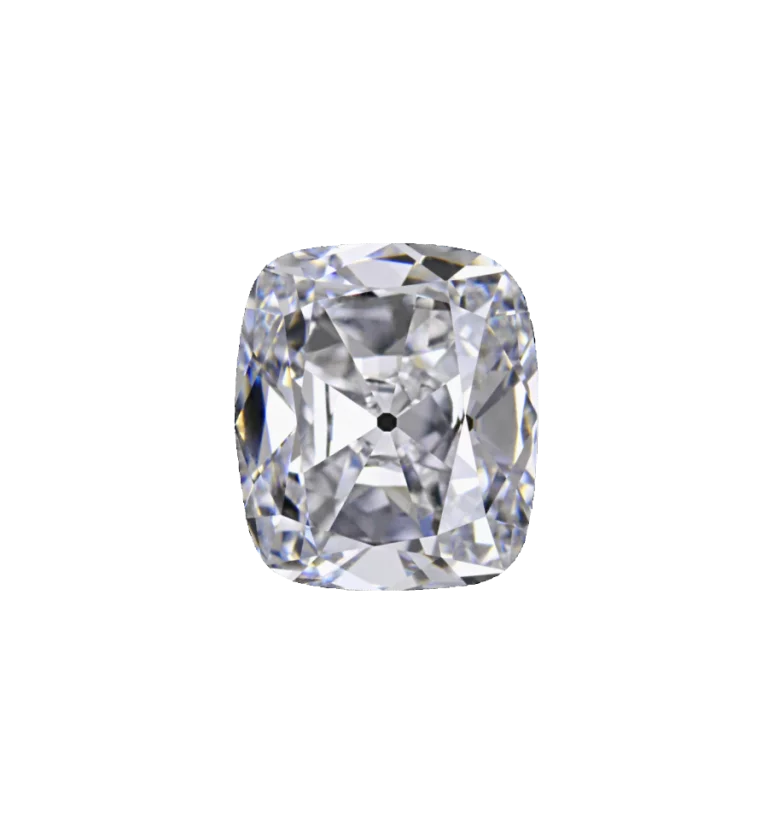
7.51 Ct. D IF Cushion Brilliant TypeIIa
View stoneSee the details in a stone
3.01 Ct. G VS2 Old Mine Cushion Brilliant
A near-square, 3.01 ct old mine cushion with a 51% table.
3.09 Ct. F SI2 Old Mine Cushion Brilliant
A 3.09 ct old mine cushion with a longer outline and 55.2% depth.