Reviewed 11 August 2026

Prepared by the Imperial Cushions editorial team. Laboratory terminology is retained where a report is cited; historical context and dealer judgment are identified as interpretation.

Condition is a separate question from beauty. An antique diamond can have an exceptional outline and light pattern while also carrying evidence of decades of wear, earlier settings or careful repolishing. The objective is not to demand that an old object look newly manufactured. It is to identify every material condition issue, understand its effect and decide whether the intended setting will protect the stone.

Why antique diamond condition needs its own inspection

Historic cuts were often shaped by hand and may have irregular girdles, asymmetrical facets, open culets and naturals that are part of the original cutting history. These features should not automatically be treated as damage. At the same time, older diamonds may have passed through several mountings. Prongs, bezel edges, accidental impact and past repair work can leave chips or abrasions.

A grading report can record some external characteristics, but condition should be checked again when the loose stone is available. Damage may have occurred after the report date, and a mounted examination may conceal part of the girdle.

Start with the girdle

The girdle is the outer edge where crown and pavilion meet. On many antique cushions it varies in thickness around the outline. Variation can be original, and a slightly irregular girdle can support the stone’s hand-cut character. The important questions concern vulnerable sections and evidence of loss.

Inspect the full circumference under magnification while changing the angle of light. Note:

  • Extremely thin areas, especially near corners or shoulders.
  • Small chips, bruises or feather-like features reaching the edge.
  • Rough sections that may be original bruted surface.
  • Polished sections that suggest localized repair.
  • Extra facets or naturals and whether they interrupt the outline.

A condition map is useful for important stones. It records the clock position of each feature so the setter can design prong or bezel placement deliberately.

Distinguish chips, naturals and cavities

A chip is a place where material has broken away. Fresh chips may show sharp reflective surfaces, while older wear can appear softened. Size, depth and location matter more than the mere presence of the word. A small isolated chip in a protected area presents a different question from a deep chip at a thin corner.

A natural is part of the original crystal surface retained by the cutter, usually near the girdle. Naturals can help preserve weight and may be entirely acceptable. They are not breaks caused by impact. A cavity is an opening at the surface, often associated with an included crystal that was removed or exposed. Cavities need individual assessment for appearance, cleaning and durability.

Abrasions and worn facet junctions

Abrasions appear as small areas of wear, frequently along facet junctions or around the culet. Scattered minor abrasion can be consistent with age and may have little face-up effect. Extensive wear can soften reflections, reduce crispness and change the impression of the facet pattern.

Inspect abrasions in both reflected and transmitted light. Ask whether they are visible face-up, whether they affect a concentrated area and whether repolishing would materially change the outline or weight. Repolishing should not be proposed casually. The intervention can remove historical cutting evidence or alter the very proportions that create the diamond’s character.

Open culets and culet condition

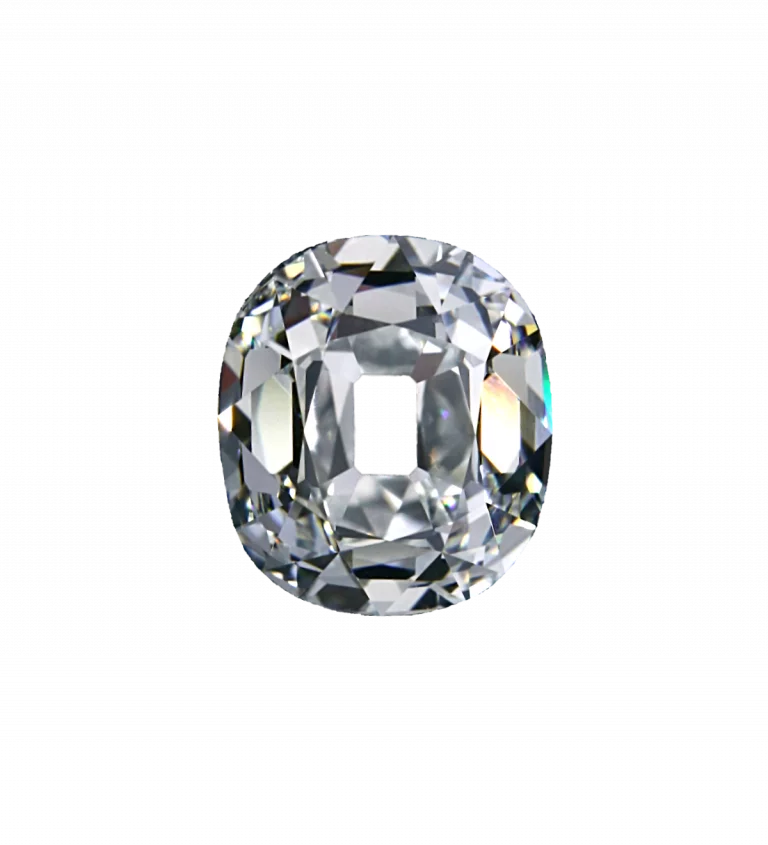
An open culet is a deliberate facet at the bottom of many antique cuts. It can appear as a small geometric window when the diamond is viewed face-up. This is not a hole or missing piece.

The culet itself can still be abraded or chipped. Because it projects at the bottom of the pavilion, adequate clearance in the setting is essential. A culet that contacts metal can be damaged by impact. The setting design should protect it without closing off inspection and cleaning access unnecessarily.

Signs of repolishing or recutting

Repolishing may be minor and protective, or it may significantly change the stone. Possible indications include a section of girdle with a different finish, unusually crisp facets beside worn ones, interrupted symmetry, a repaired corner or measurements that do not match an older report.

The appropriate question is not simply whether work was performed. Ask what was changed, why it was changed and whether the present stone remains visually coherent. When provenance or historic integrity is important, documented intervention history adds value to the evaluation.

Mounted stones require additional caution

Prongs and bezel walls can conceal the girdle. Dirt beneath a stone can imitate or hide optical effects. Metal reflections can also make inclusions and surface features difficult to interpret.

If a significant purchase depends on a complete condition assessment, request examination by a qualified independent gemologist and an experienced setter. Removal from a mounting introduces its own risk and should only be done with permission and appropriate insurance arrangements.

When a condition issue can be acceptable

Condition is evaluated in relation to visibility, durability, rarity, price and intended use. A collector may accept modest original wear that preserves an important outline. A daily-wear engagement ring may require greater protection around a vulnerable corner. A specialist setting can sometimes manage a localized issue without altering the diamond.

The condition should be disclosed, documented and reflected in the decision. It should never be hidden behind romantic language about age.

Inspection checklist

  1. Confirm whether the examination is loose or mounted.
  2. Map girdle thickness and vulnerable areas.
  3. Separate original naturals from impact damage.
  4. Record chips, cavities, bruises and surface-reaching inclusions.
  5. Inspect facet-junction and culet abrasion.
  6. Compare the stone with its latest laboratory report.
  7. Look for evidence of repolishing or recutting.
  8. Discuss protection and clearance with the intended setter.
  9. Obtain independent advice when material uncertainty remains.

Condition work should protect the stone while preserving its individual cutting character. Continue with the guide to evaluating an antique diamond, review the grading-report guide, or request a documented inspection through Inspection and Service.