Polished crystals
Early cutting preserved much of a diamond’s natural form while making its faces clearer to the eye.
Antique diamonds
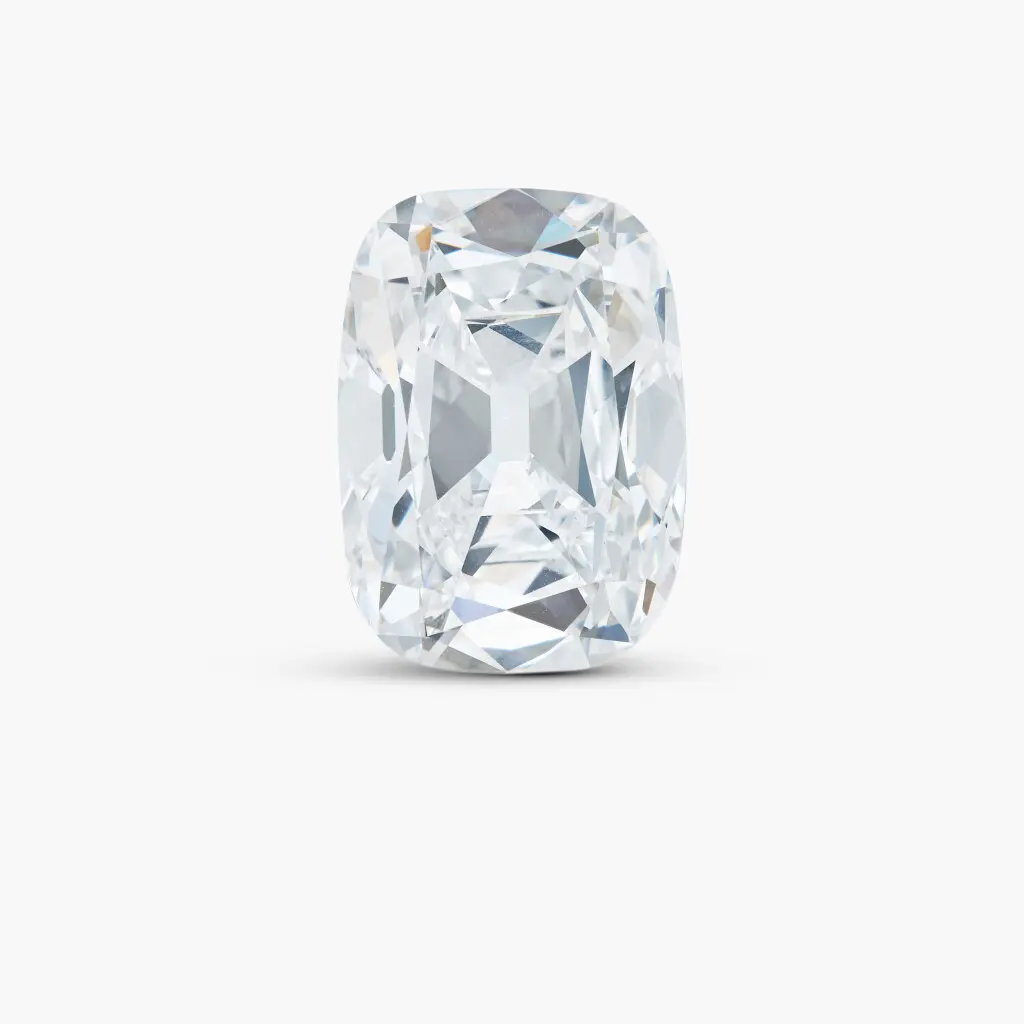
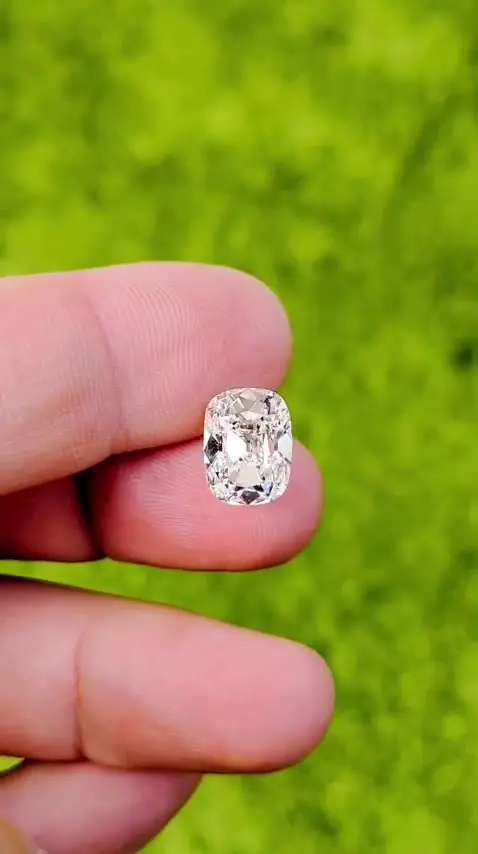
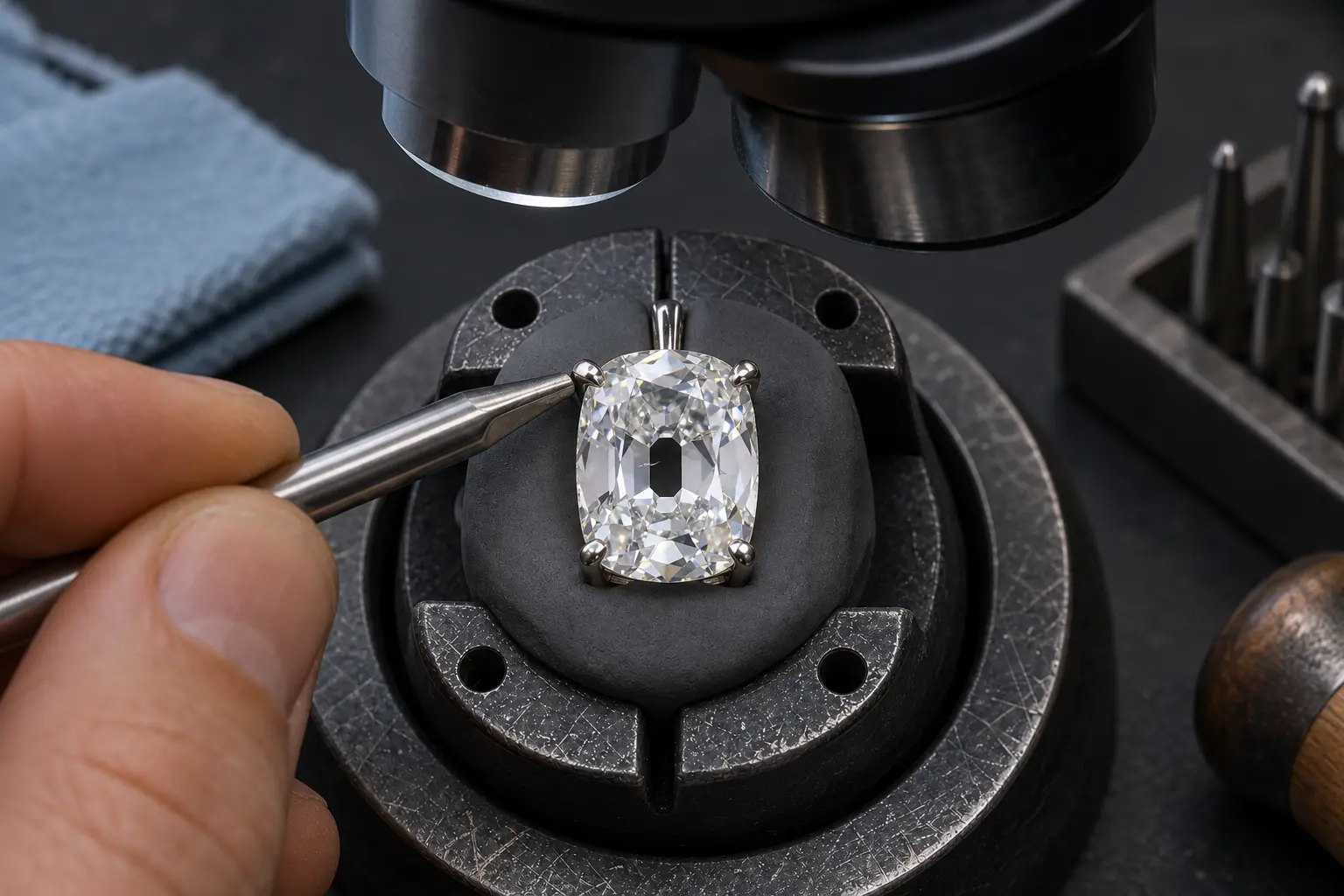
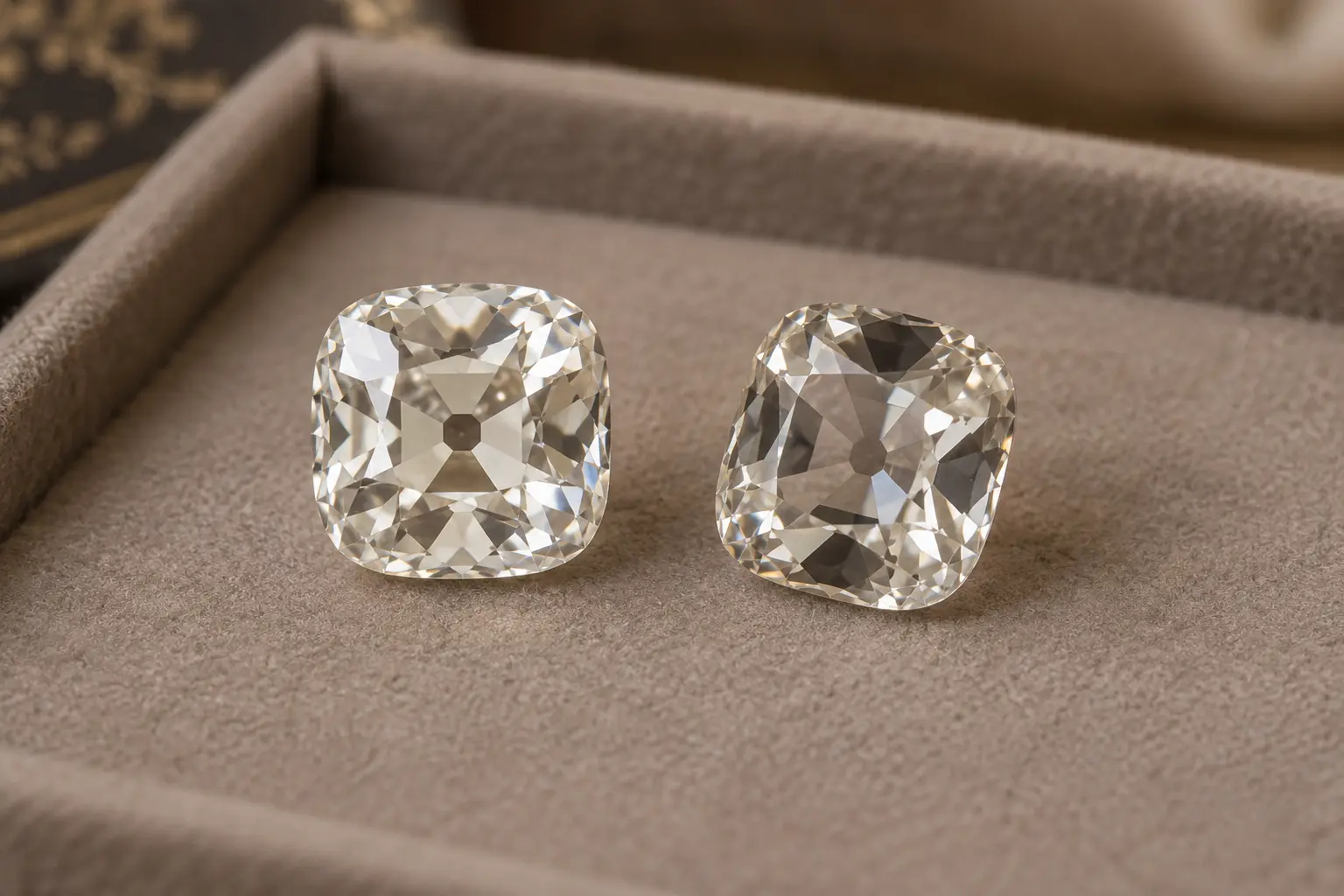
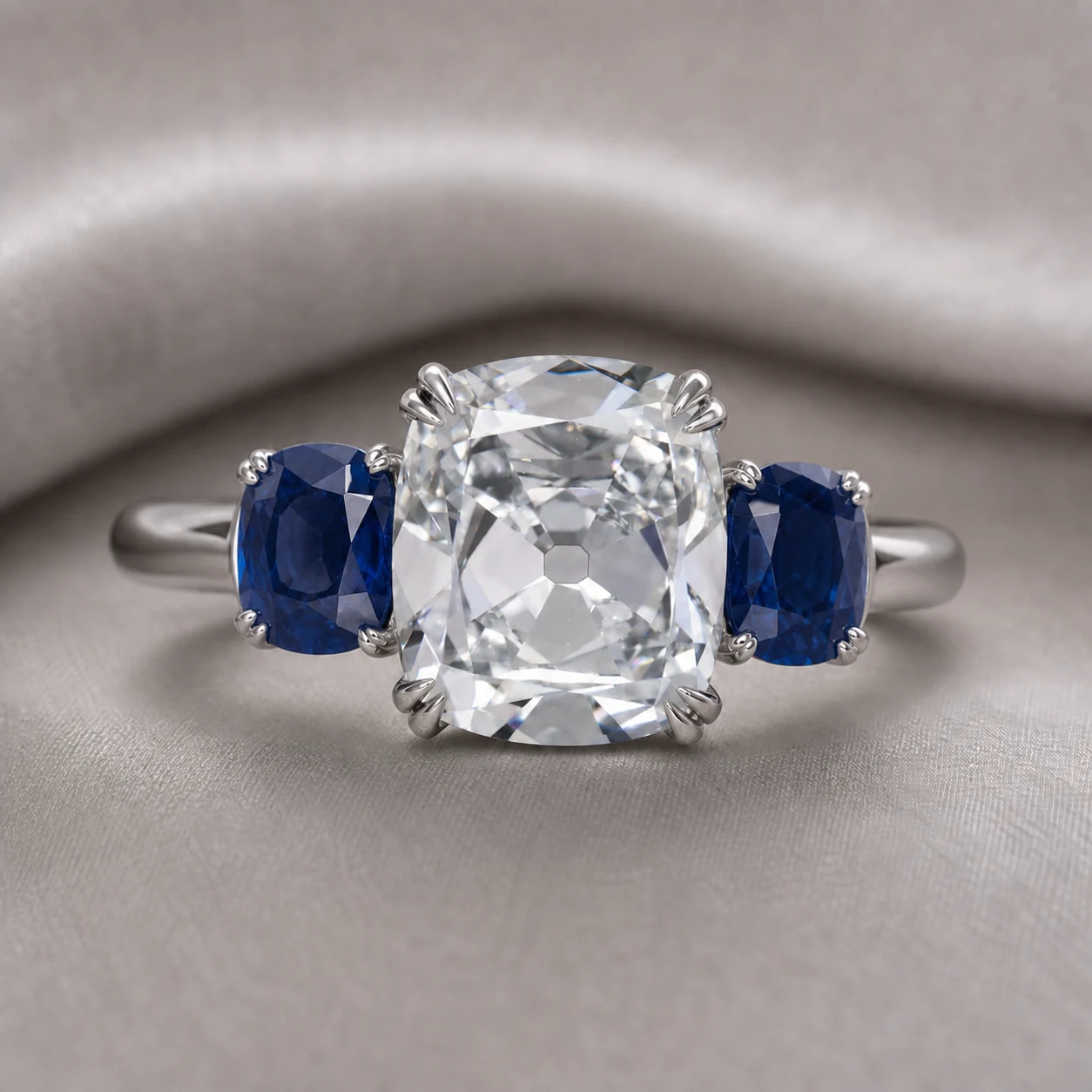
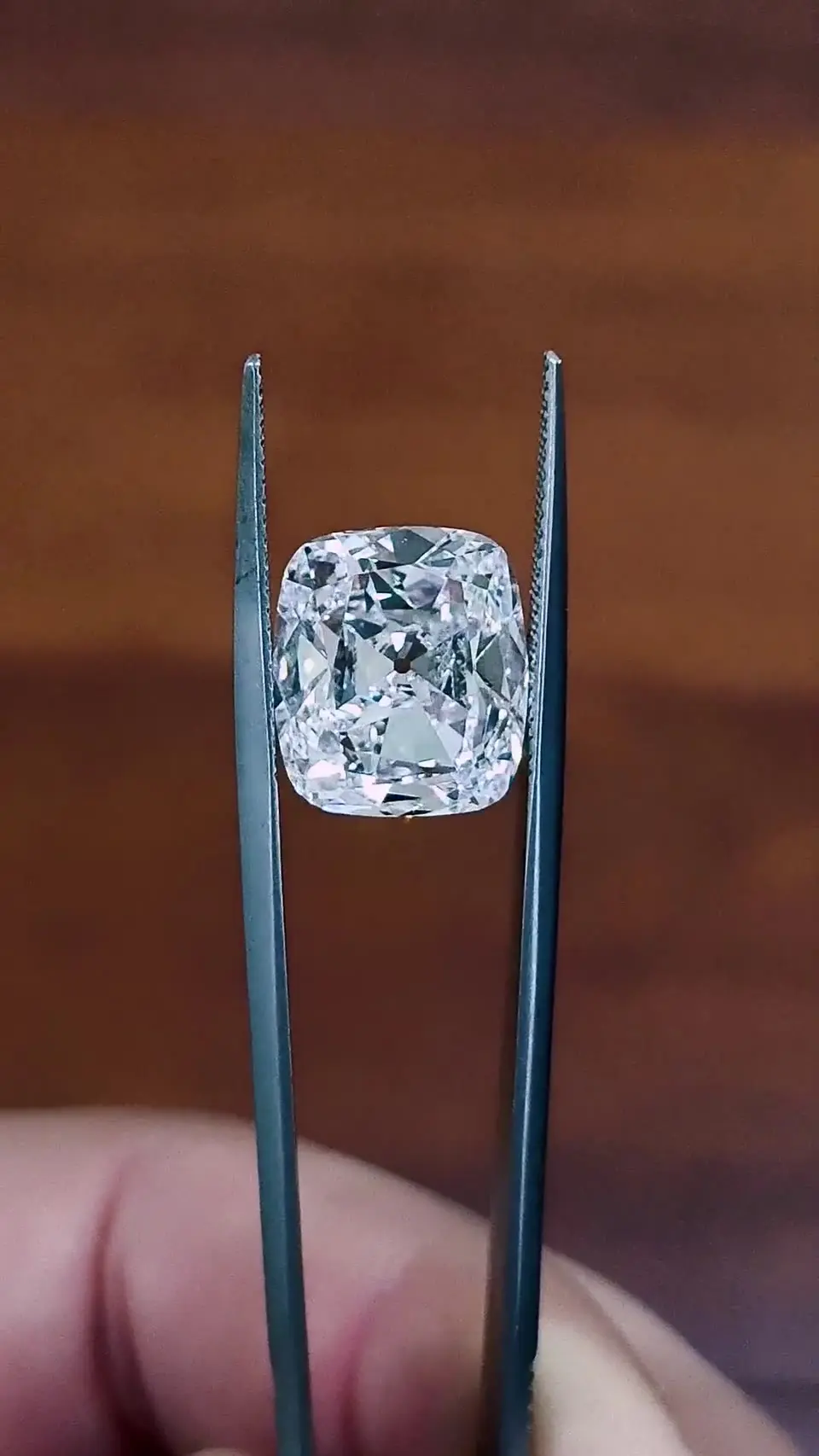
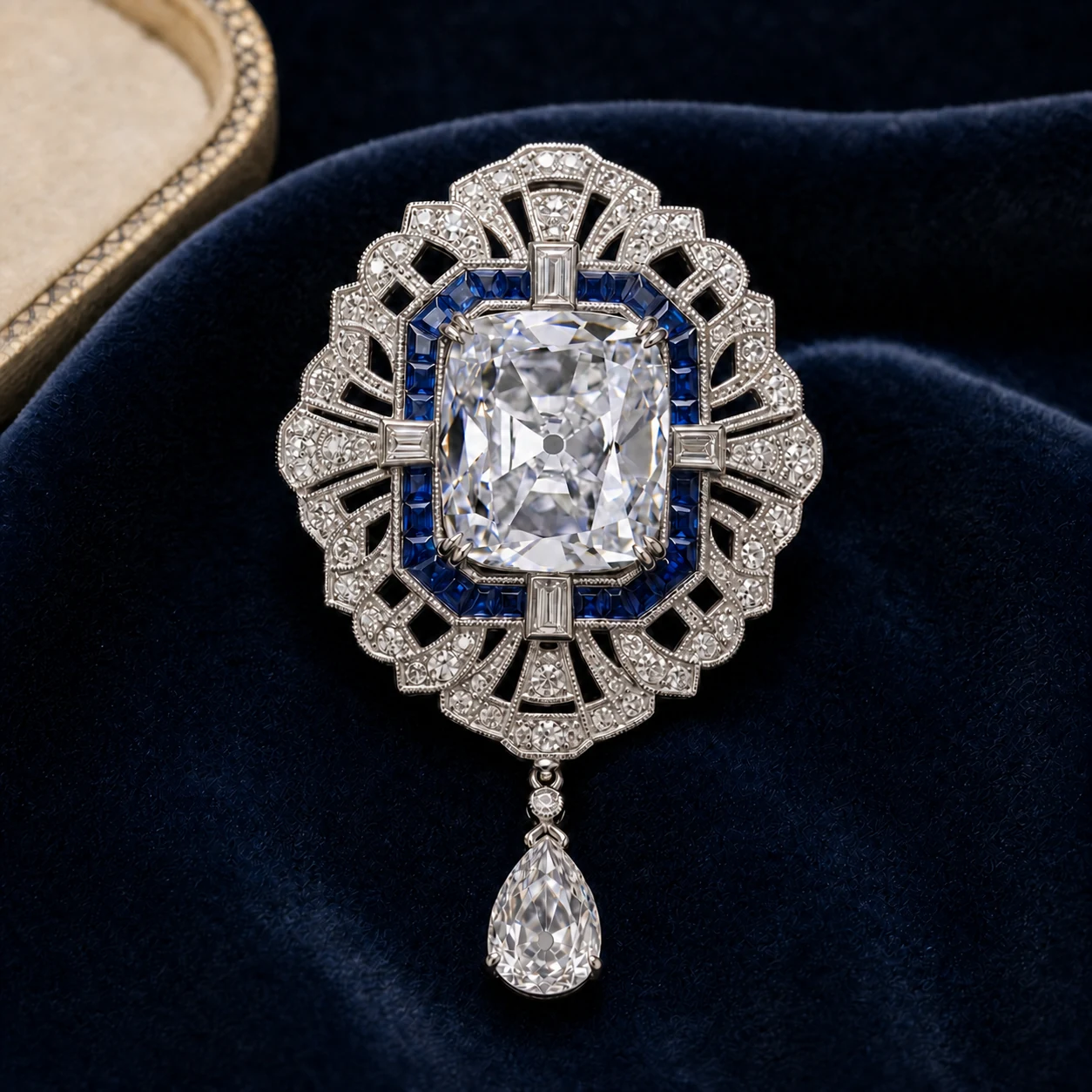
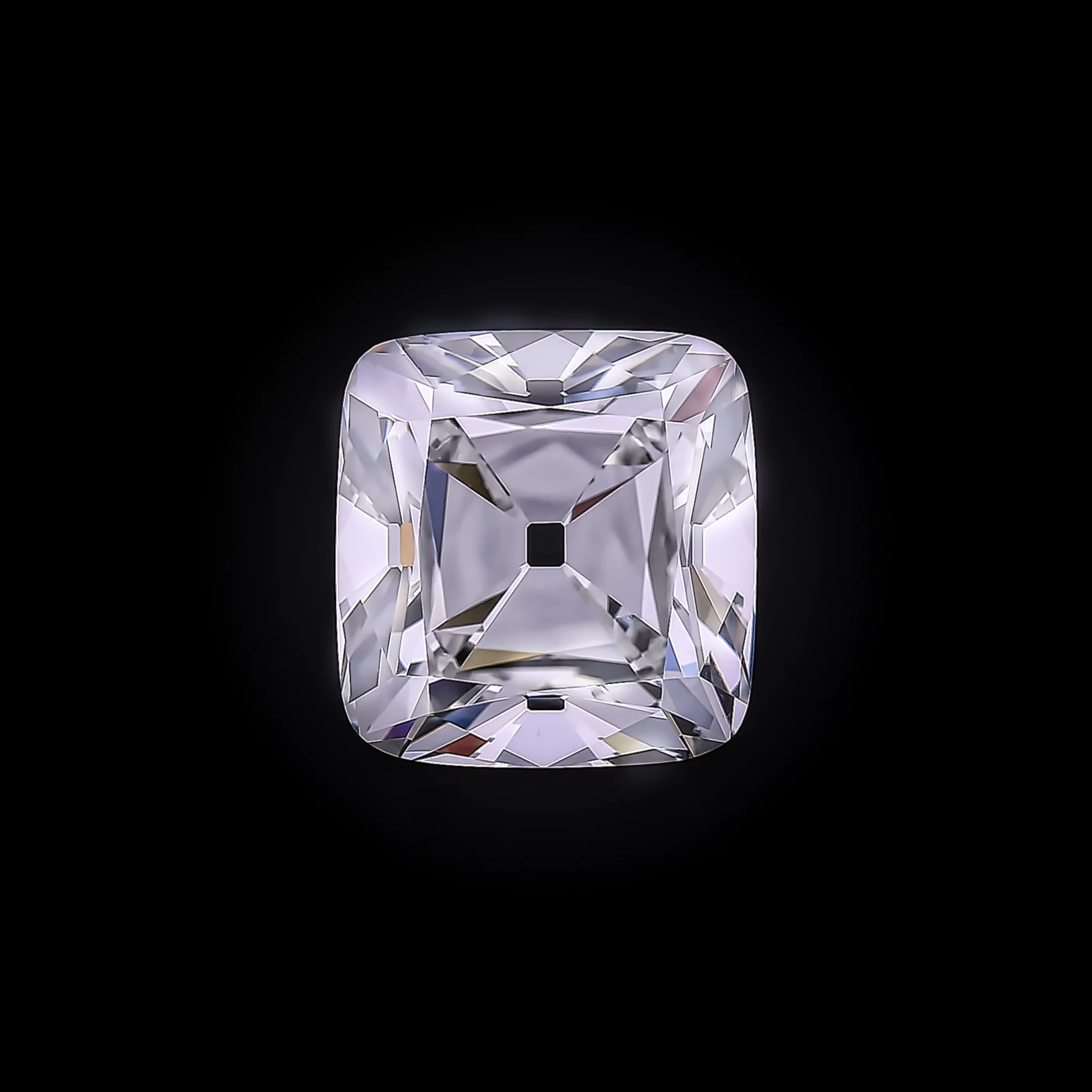
Old cuts hold the record of the cutter: a high crown, an open culet, an outline resolved stone by stone. Their history is a series of overlapping traditions.
Follow the historyPrivate collection
Explore the current collection, or tell us the cut, scale or character you are looking for.
A way of seeing
The table cut kept close to the crystal. Rose cuts spread light over a low dome. Old mine and old European cuts developed the deeper proportions that led toward the modern brilliant.
Cut history
Early cutting preserved much of a diamond’s natural form while making its faces clearer to the eye.
Removing a point from an octahedral crystal created a broad, flat table and a deliberate new plane of light.
A flat base and a domed crown of triangular facets gave rose cuts their low, luminous profile.
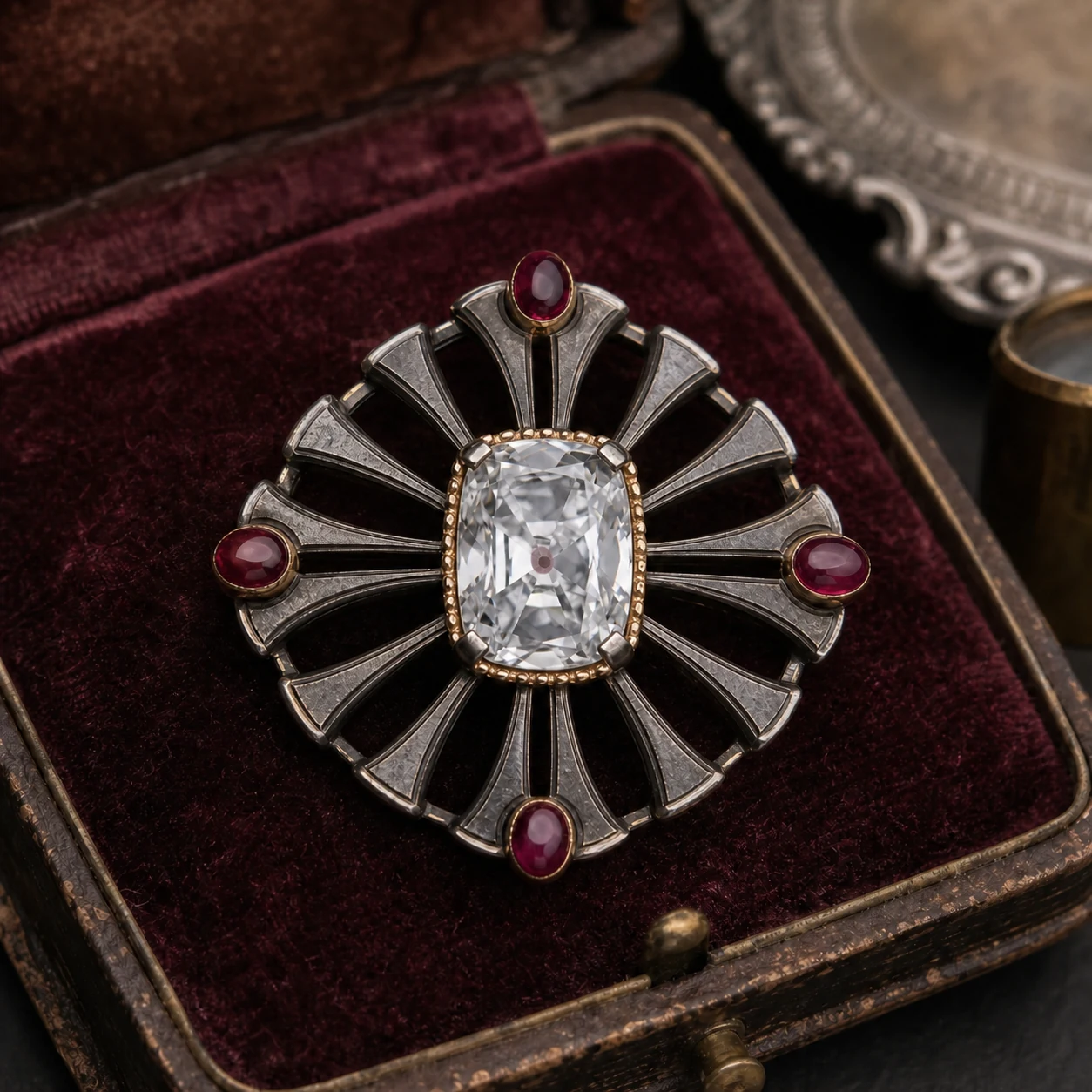
Diamonds appeared with gold, enamel, emerald, ruby and pearl in a rich courtly language.
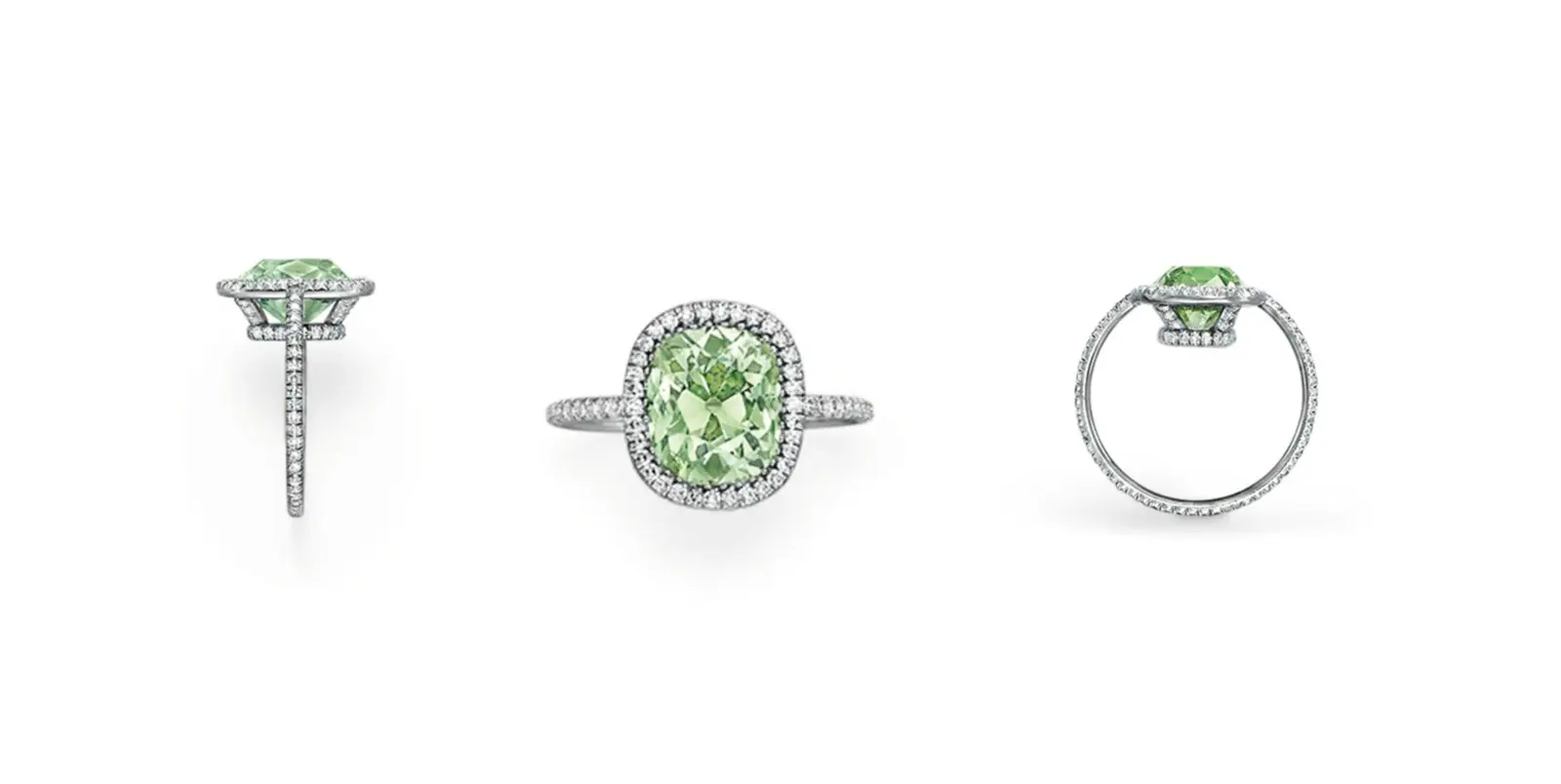
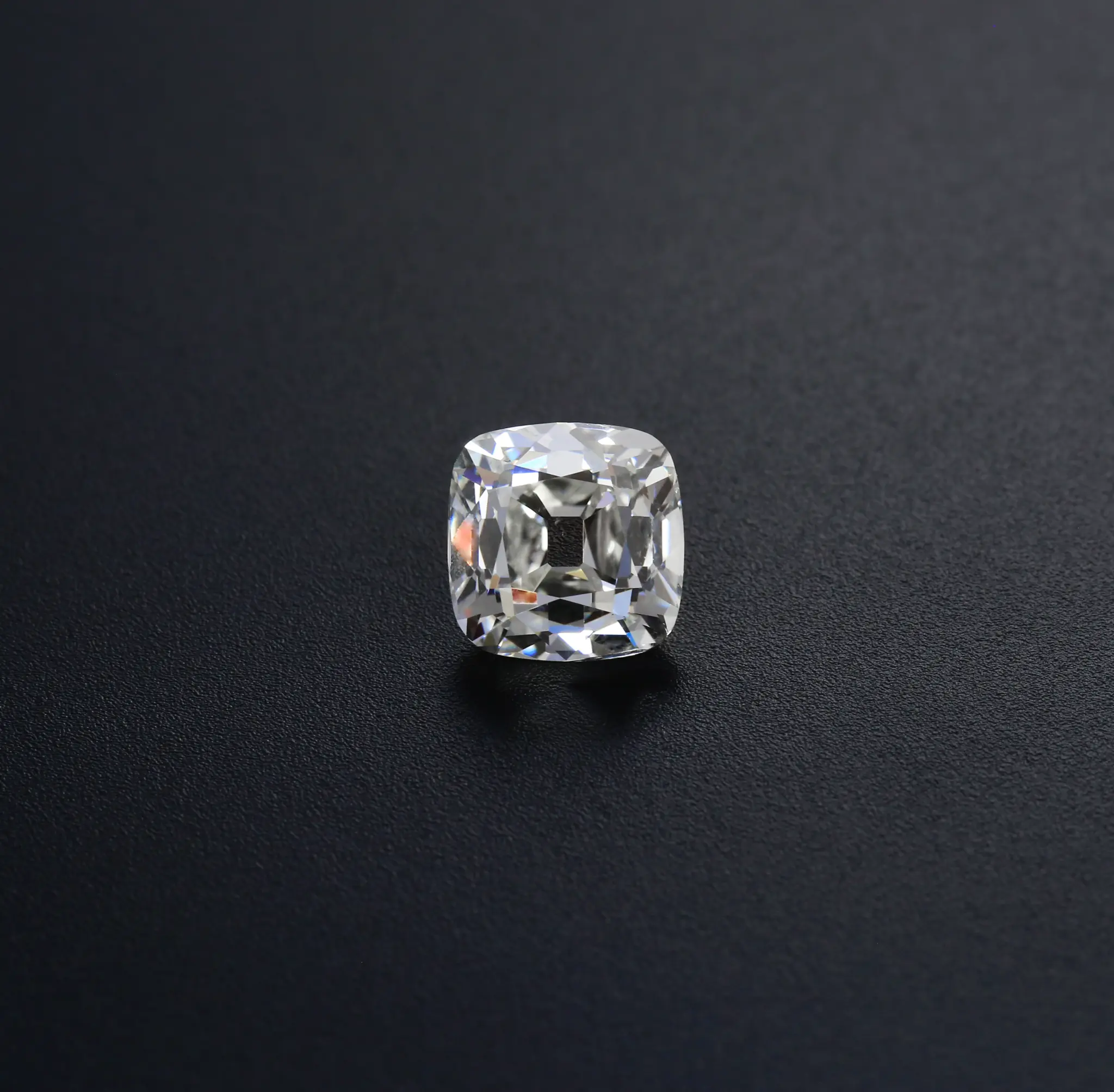
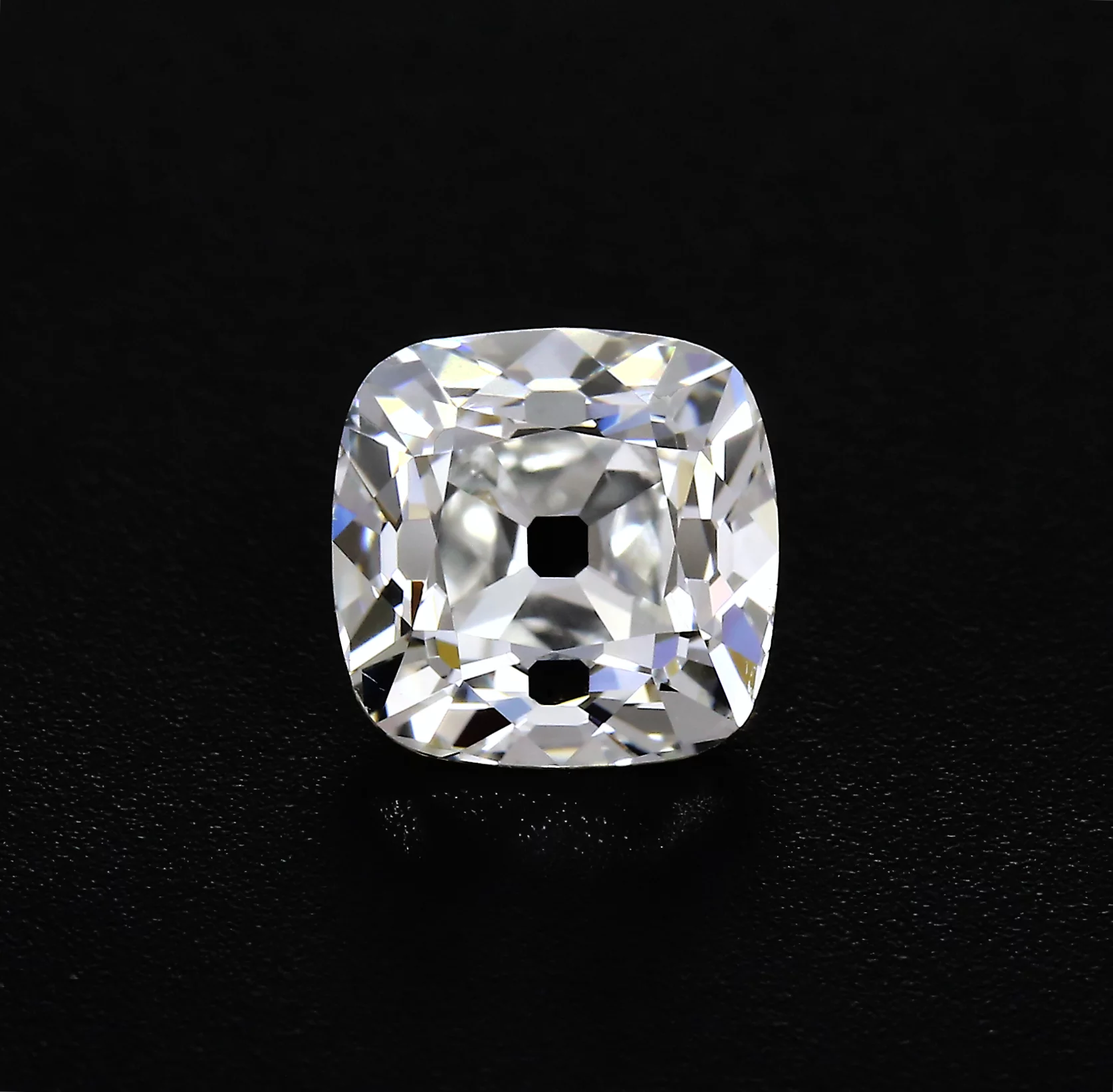
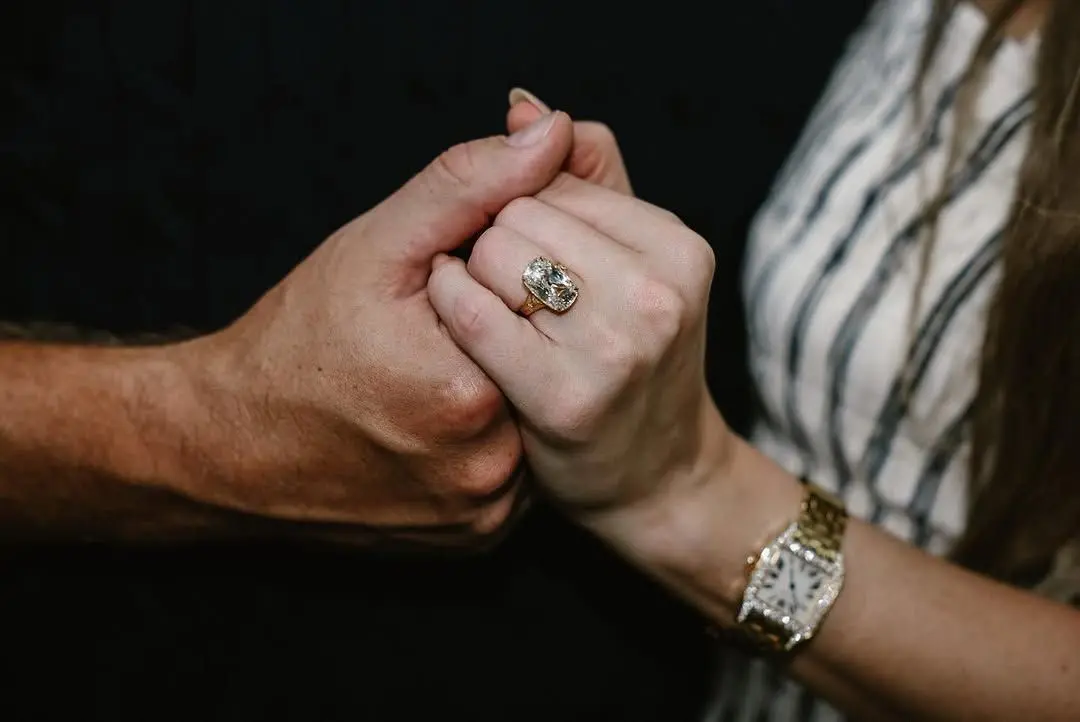
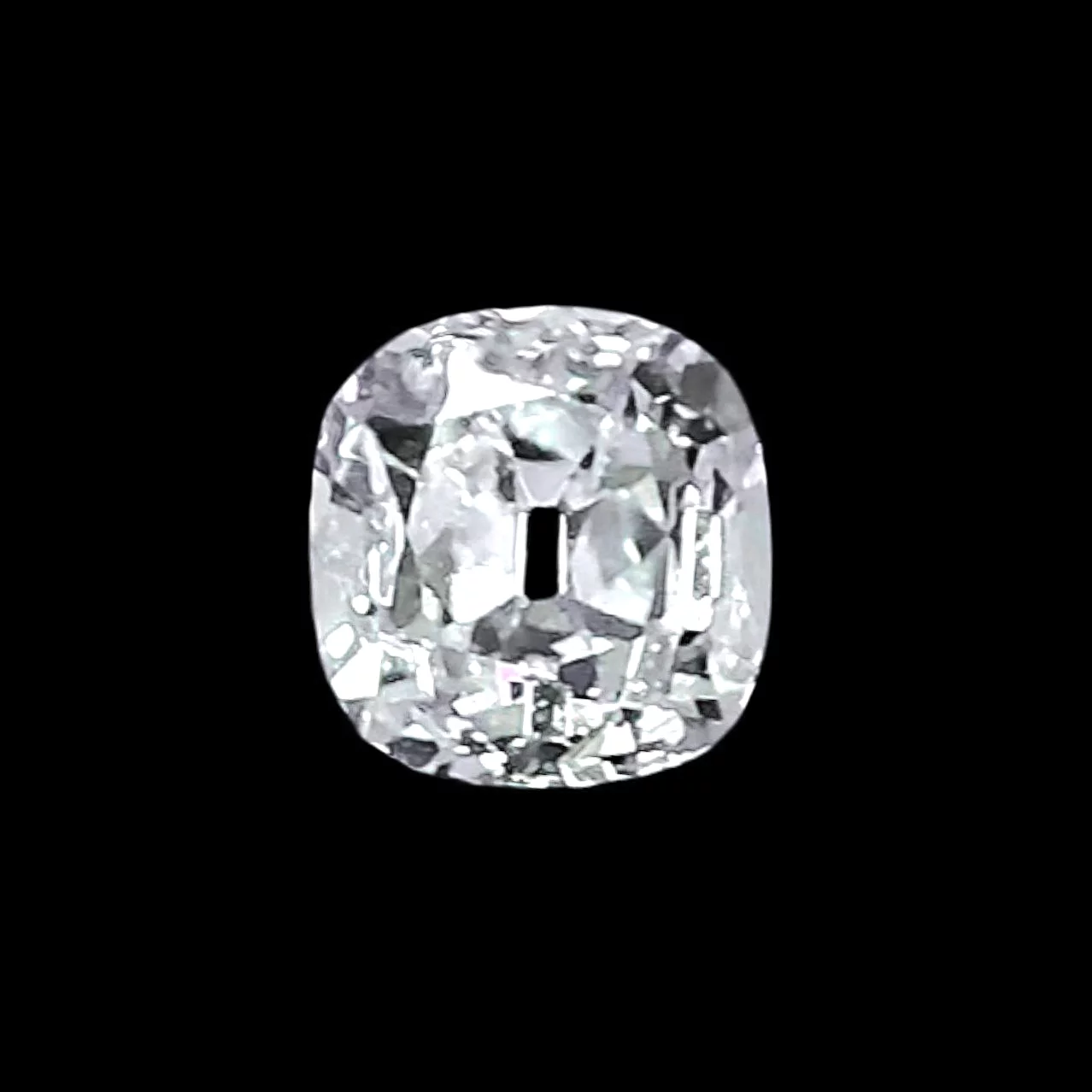
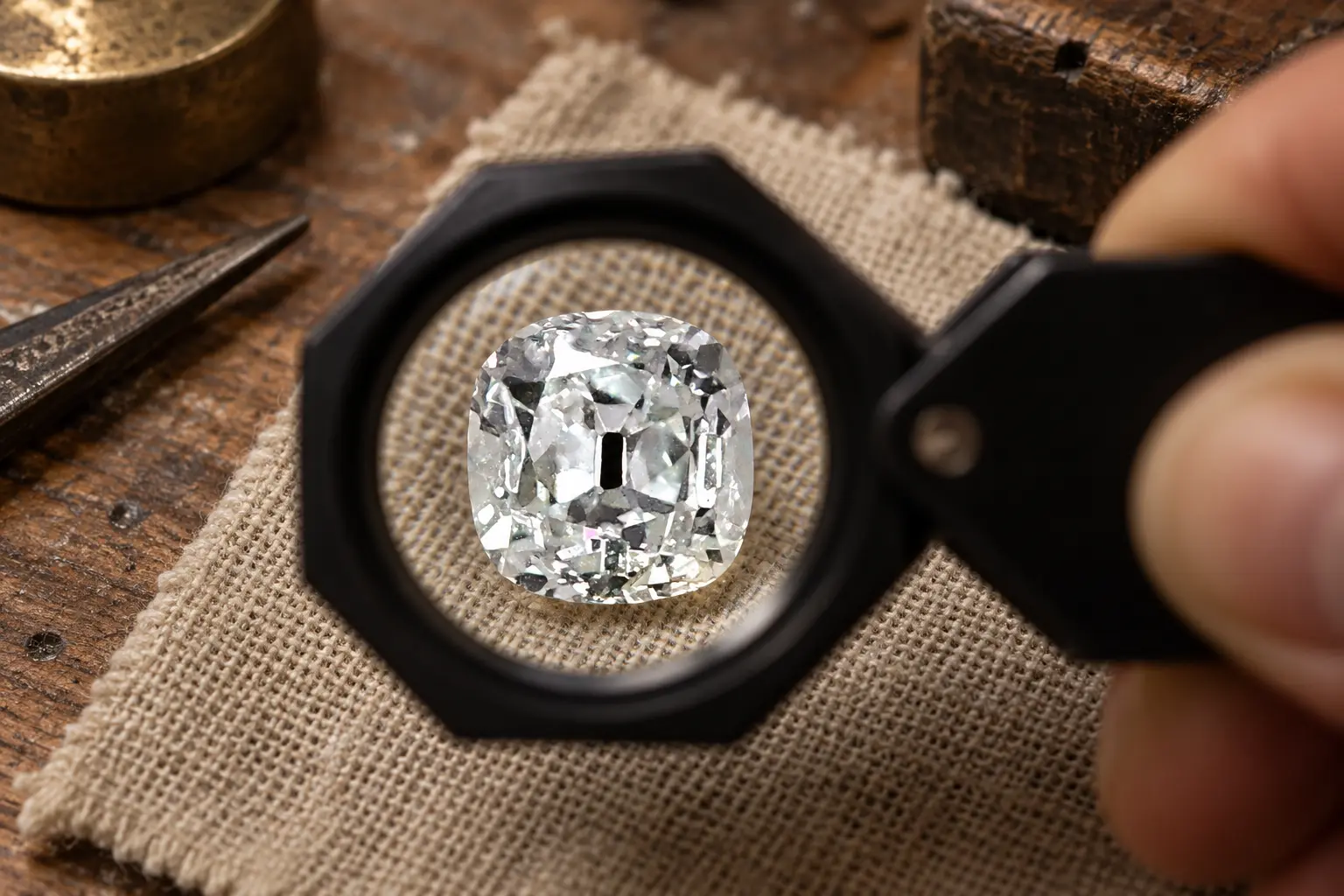
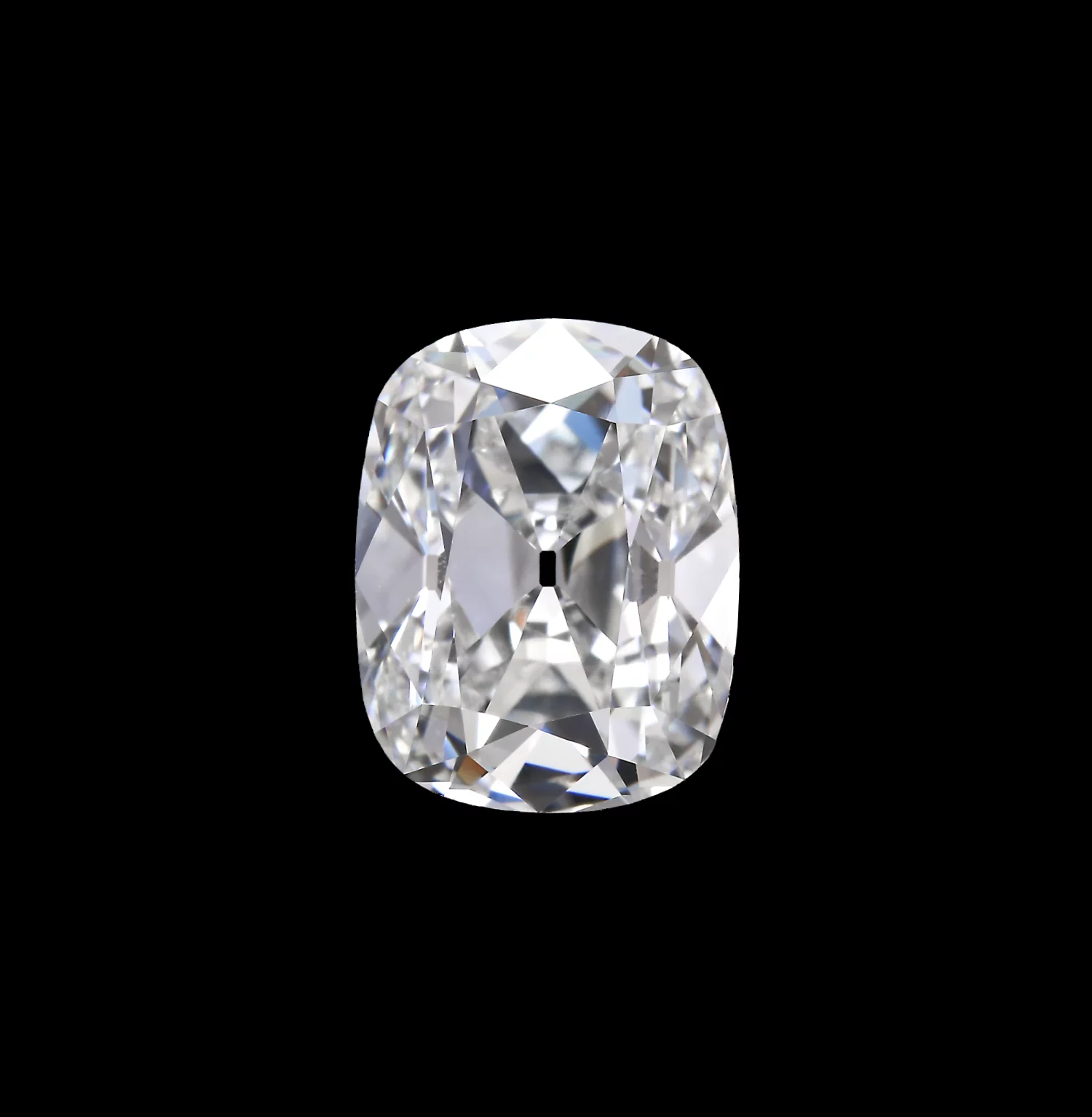
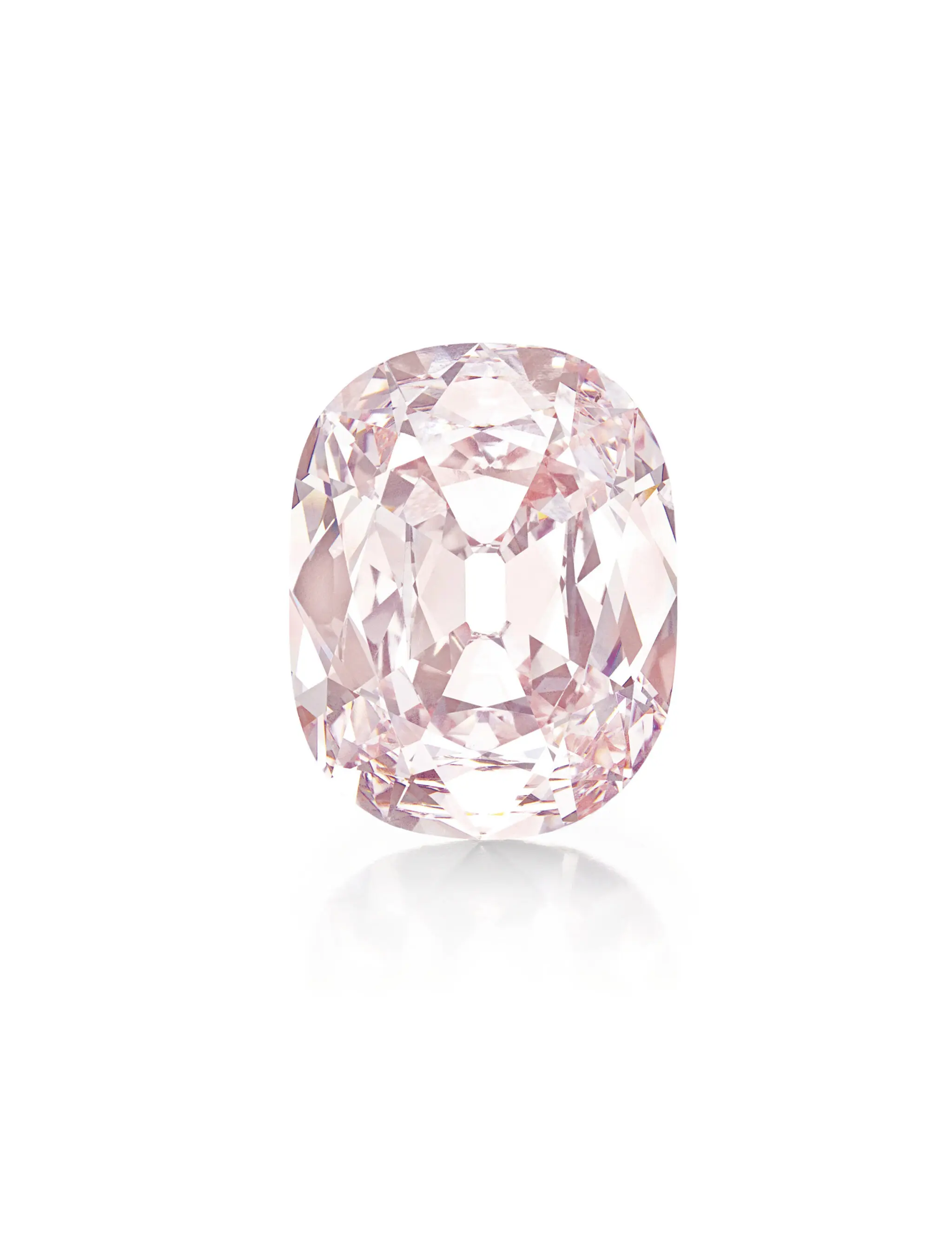
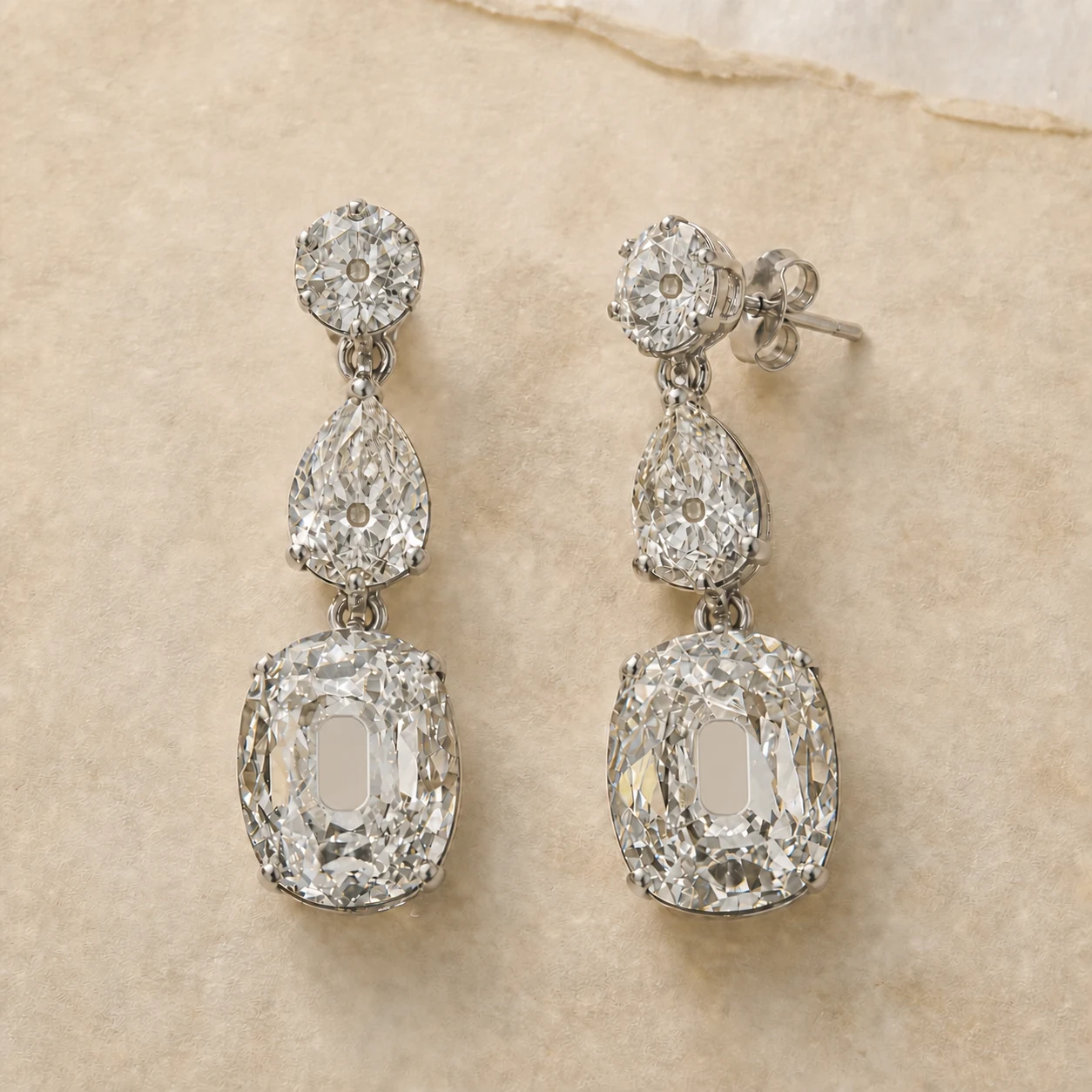
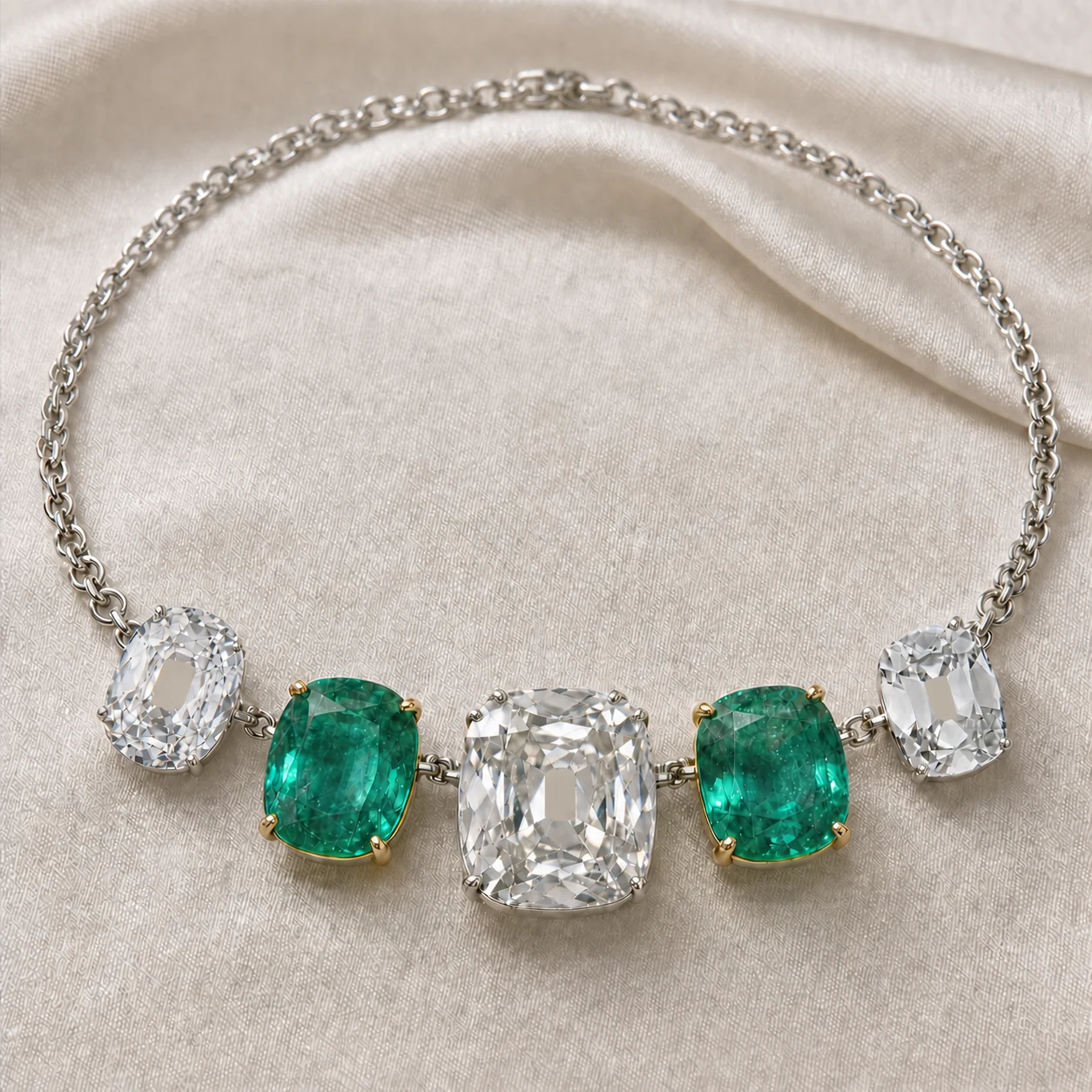
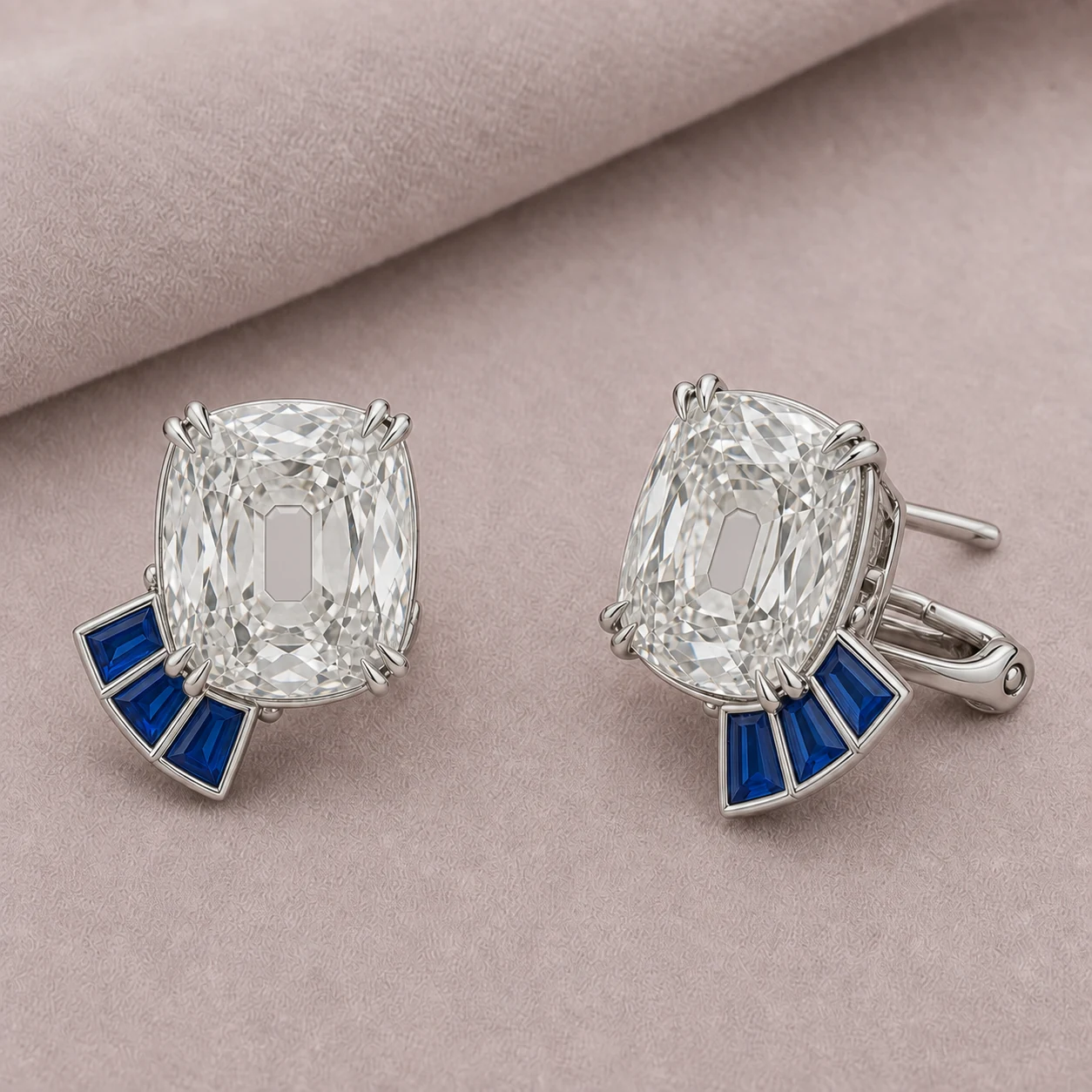
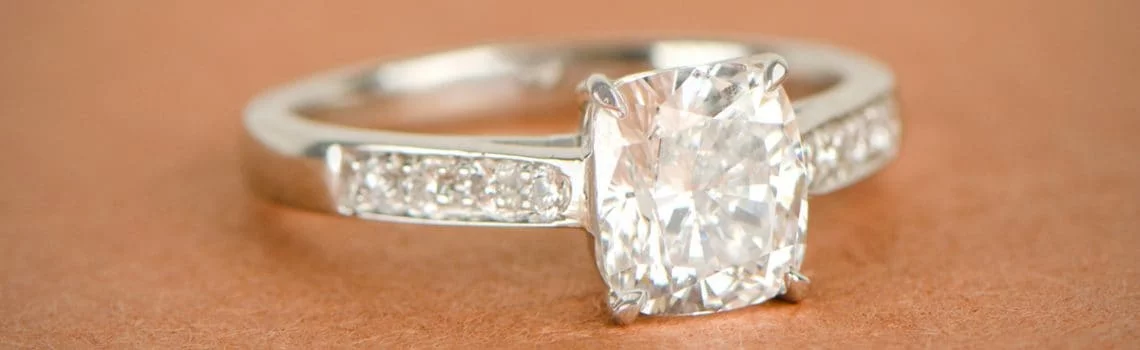
Soft cushion outlines, high crowns, small tables and generous open culets became familiar features of this hand-cut family.
Improved bruting made rounder outlines practical, bringing the brilliant pattern into a distinctly historic round form.
Across the centuries
Point and table
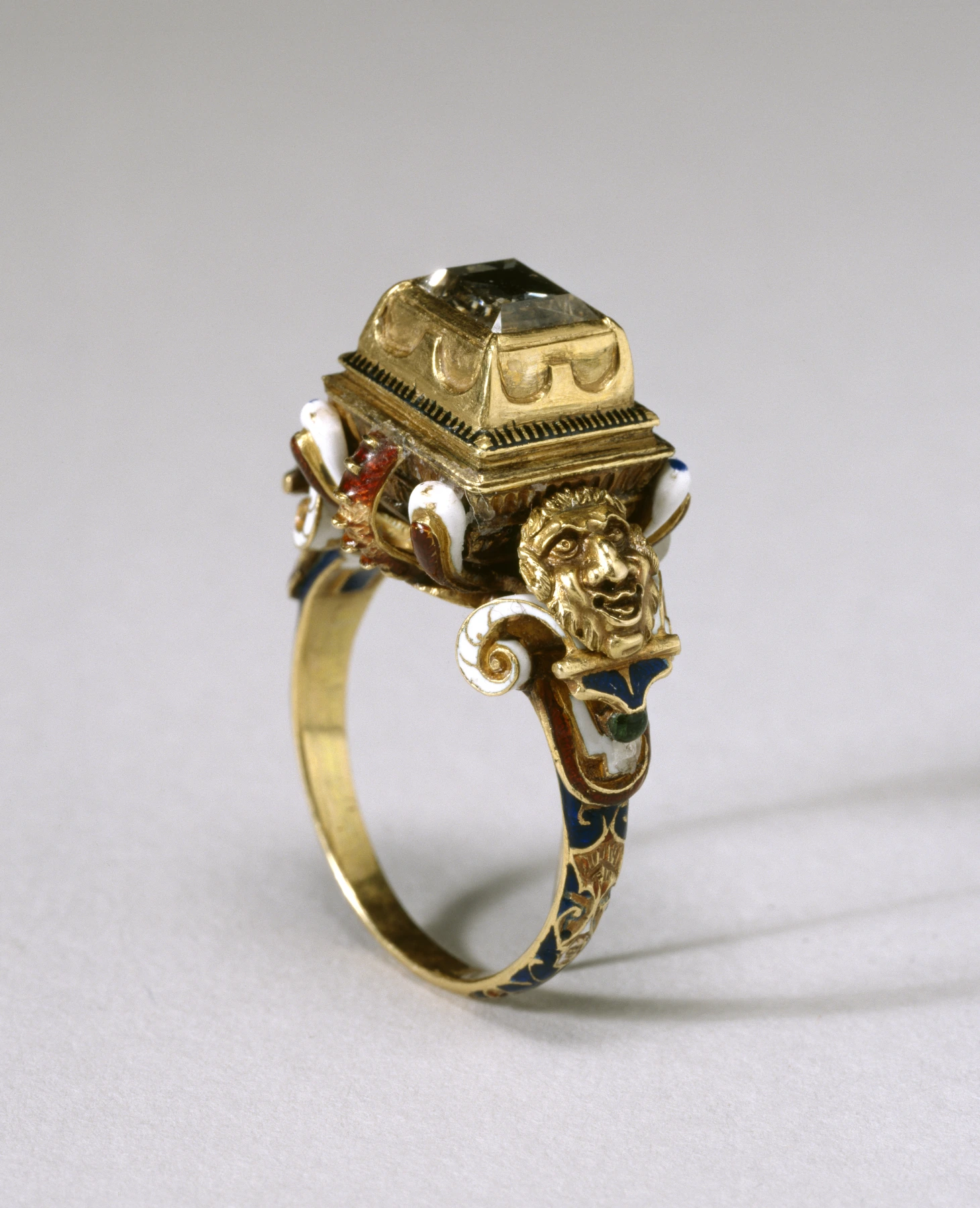
Point cuts followed the natural faces of an octahedral crystal, letting polishing clarify a form that was already there. The table cut made a more visible intervention. A cutter removed a point and created a flat top facet, while keeping the diamond close to its rough shape. The sixteenth-century ring above shows the result: a clear, broad table held high in a gold bezel. The facets and the setting work together, giving the diamond a presence quite different from a modern brilliant.
Rose and Mughal traditions
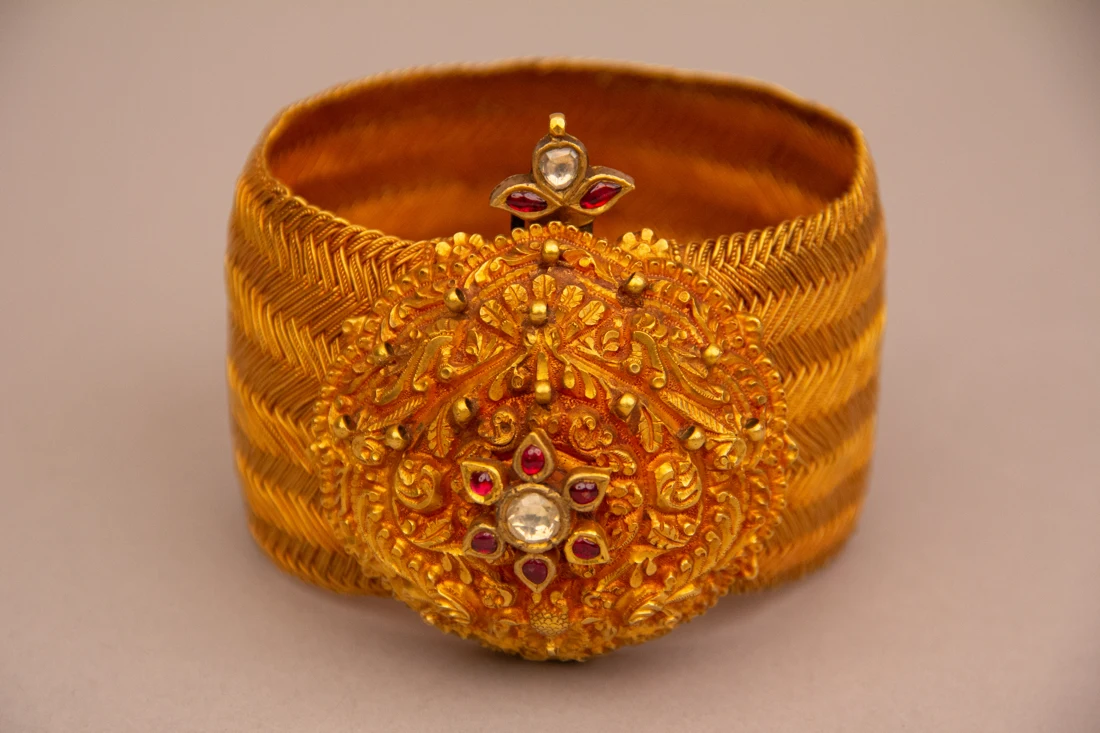
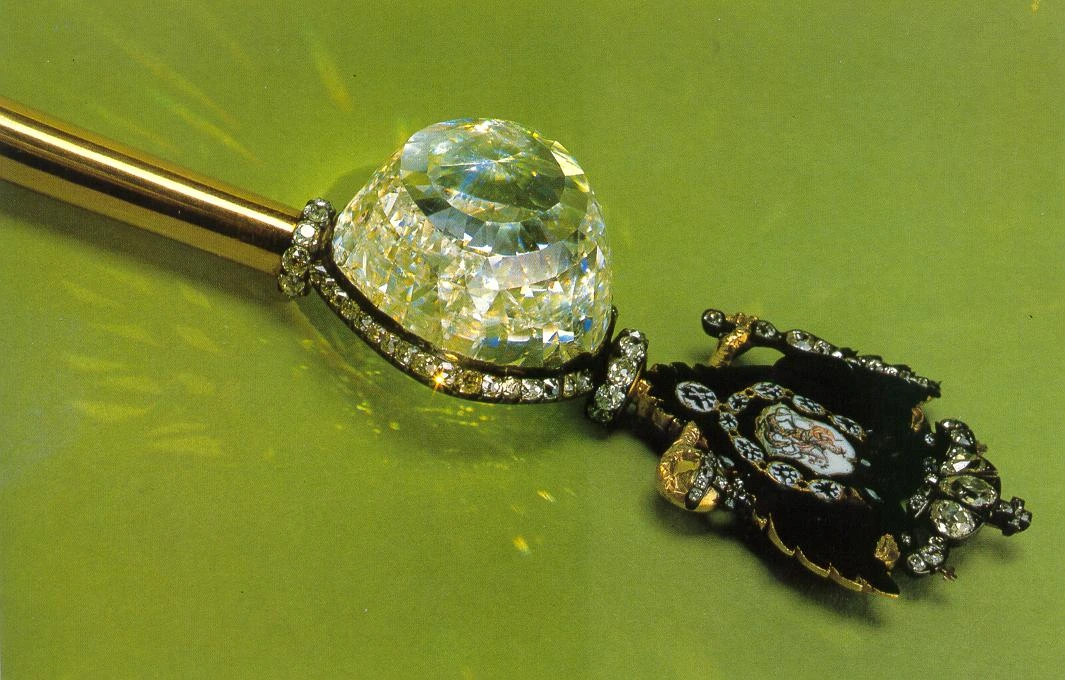
Rose cuts have a flat base and a domed crown of triangular facets. Their shallow form can give a stone a generous outline for its weight. The nineteenth-century armlet above places a rose-cut diamond among rubies, a later example of a long-lived cutting tradition. Mughal-cut diamonds take other distinctive forms, often with a broad, irregular base, shallow facets above and bands of facets around the sides. The Orlov, shown in the Imperial Sceptre, is a famous example associated with this Indian cutting tradition. These forms reflect close attention to the original crystal.
Old mine to old European
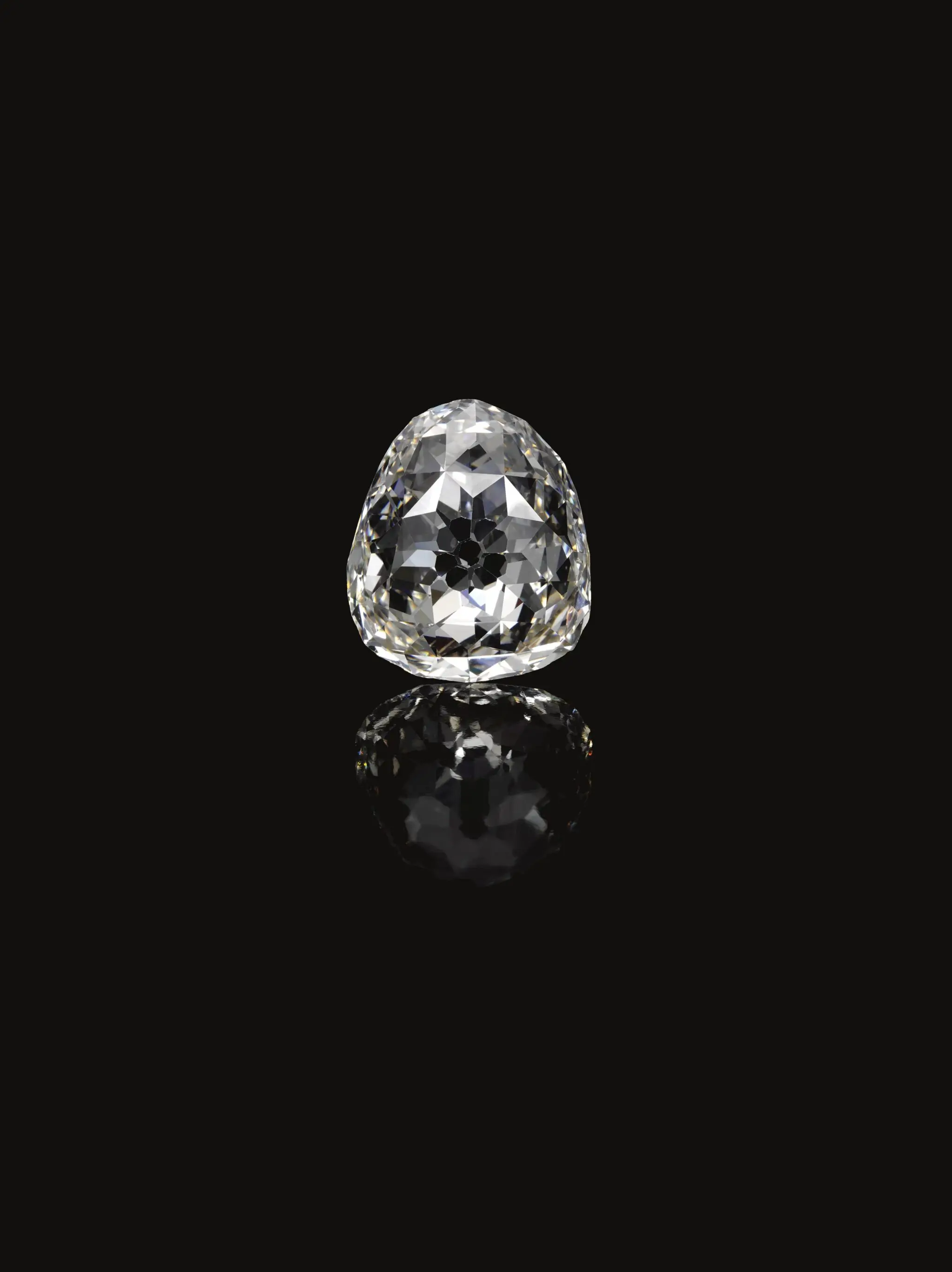
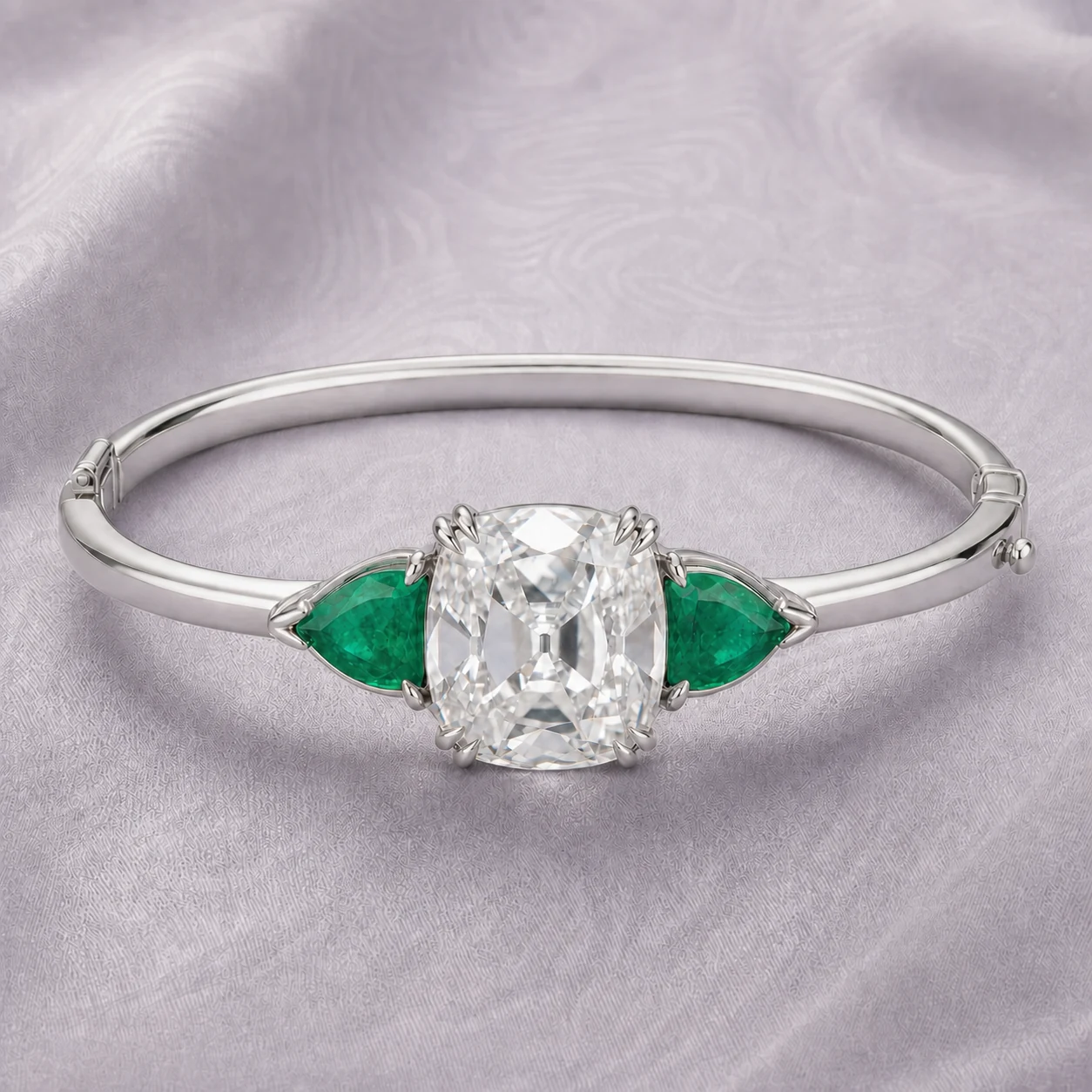
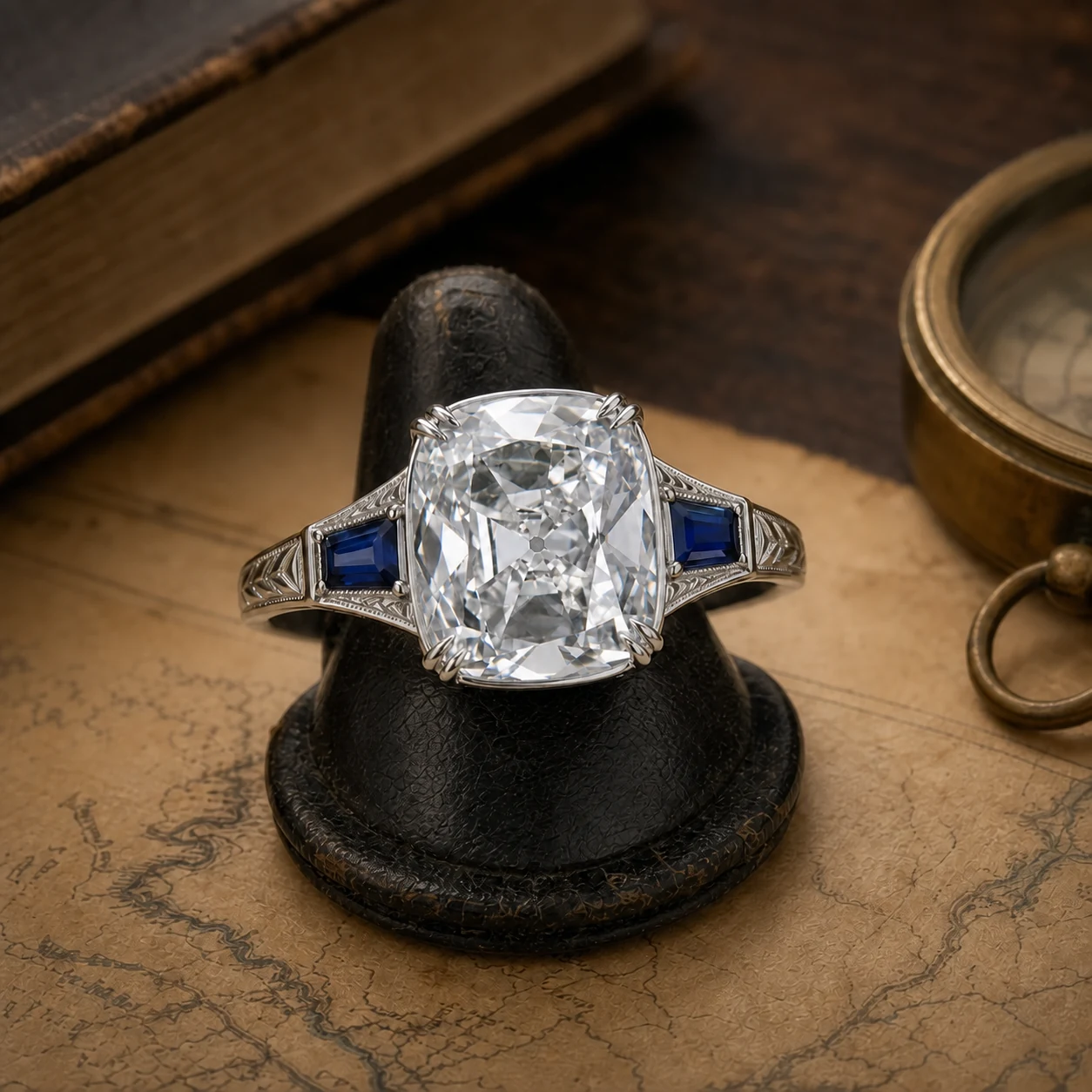
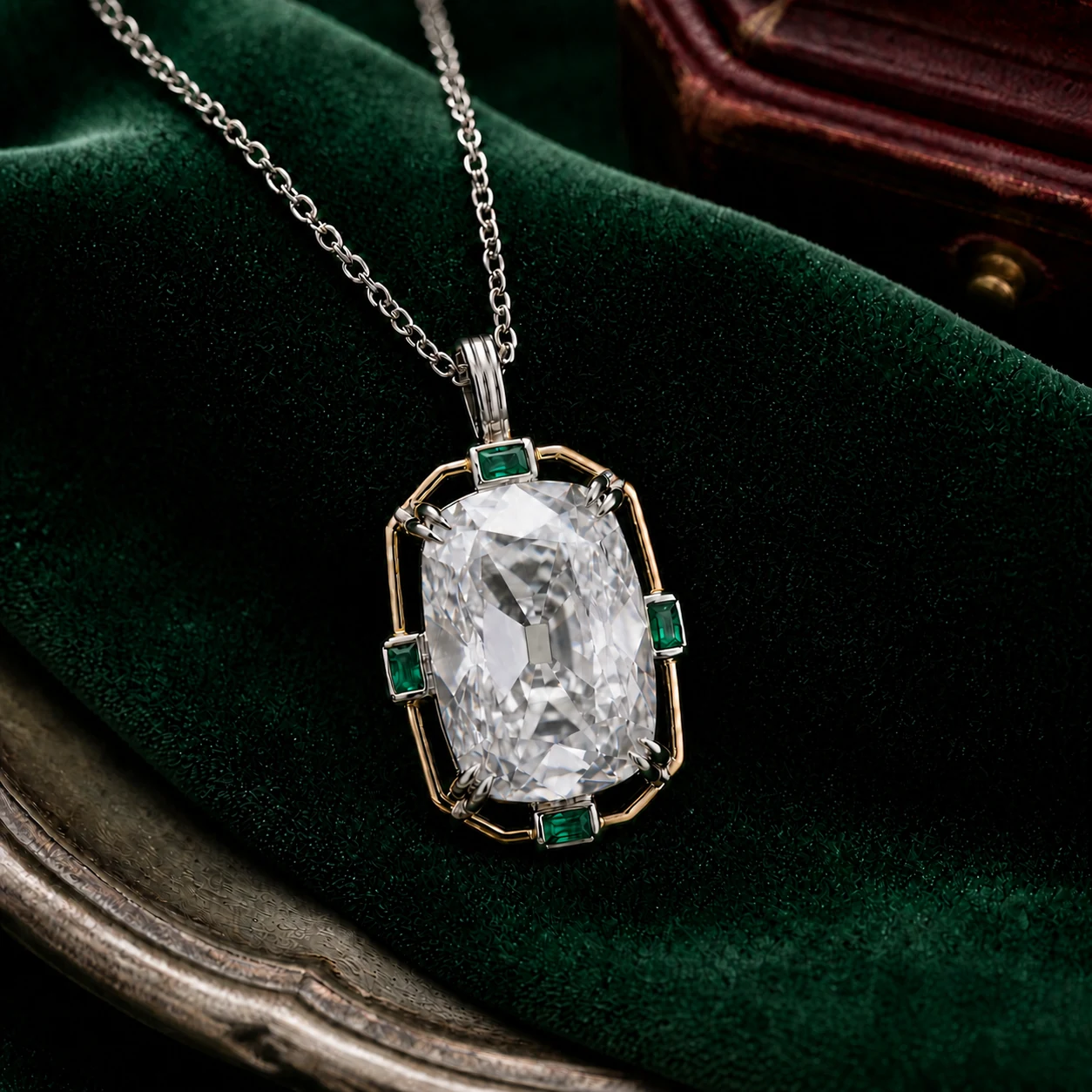
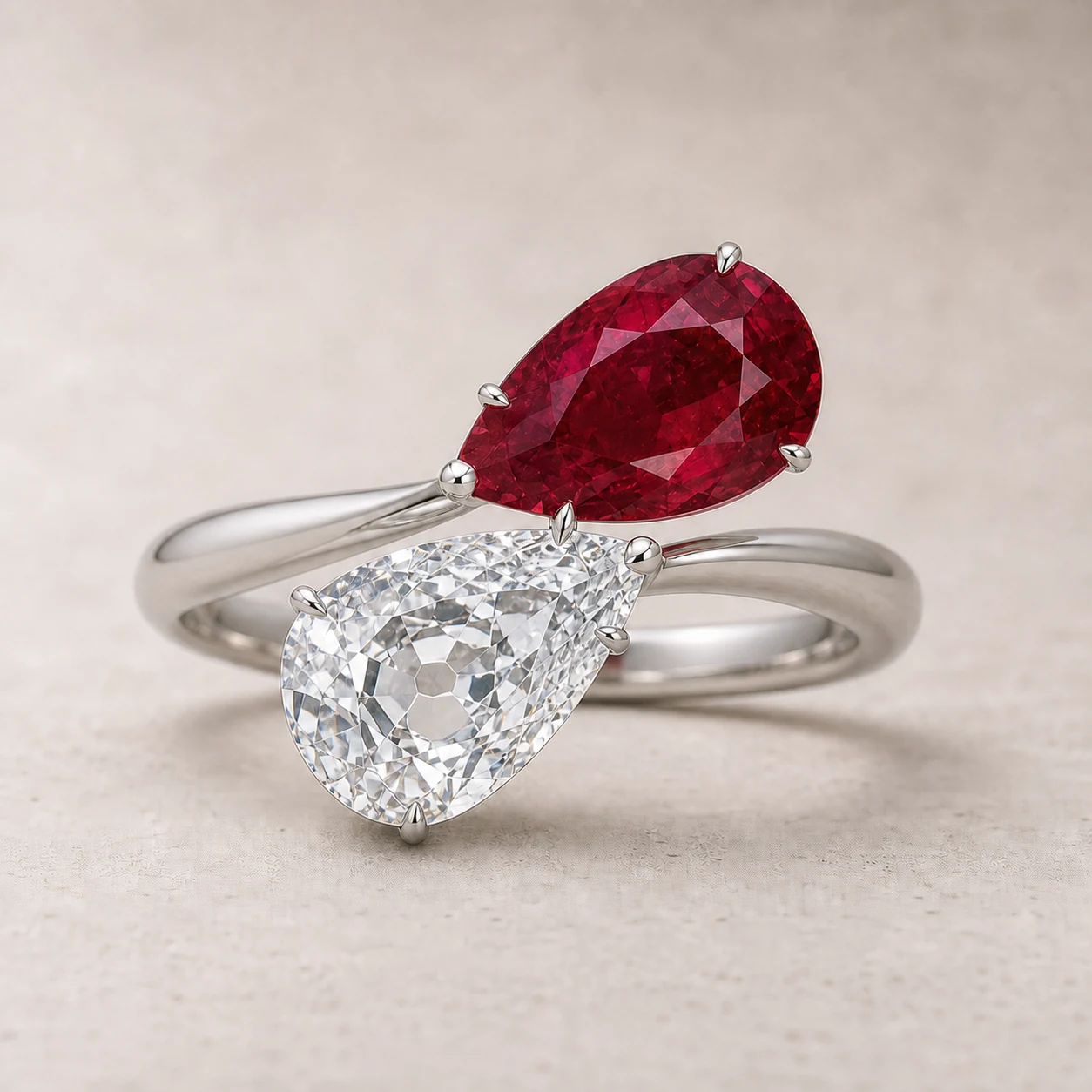
Old mine cuts, common from the eighteenth into the nineteenth century, usually take a soft cushion outline. A high crown, small table, deep pavilion and generous open culet create a broad, individual facet pattern. They were cut by hand, and each rough stone asked for its own compromise between weight, shape and light. In the late nineteenth century, improved bruting made a more regular round outline practical. The old European cut carried that new control into a high-crowned, small-tabled round form, often with an open culet still visible at its base. It is an ancestor of the modern round brilliant, yet its proportions retain a distinct historic character.
Further reading: GIA on early table and rose cuts GIA on vintage diamond cuts The Met on the rose-cut armlet Journal of Gemmology on Mughal cuts

An open culet is a facet at the base of a diamond. Its presence alone does not establish age, and every stone needs to be seen on its own terms.
Journal
Practical reading on old cuts, their proportions and the questions worth asking before choosing one.
Read the diamond guides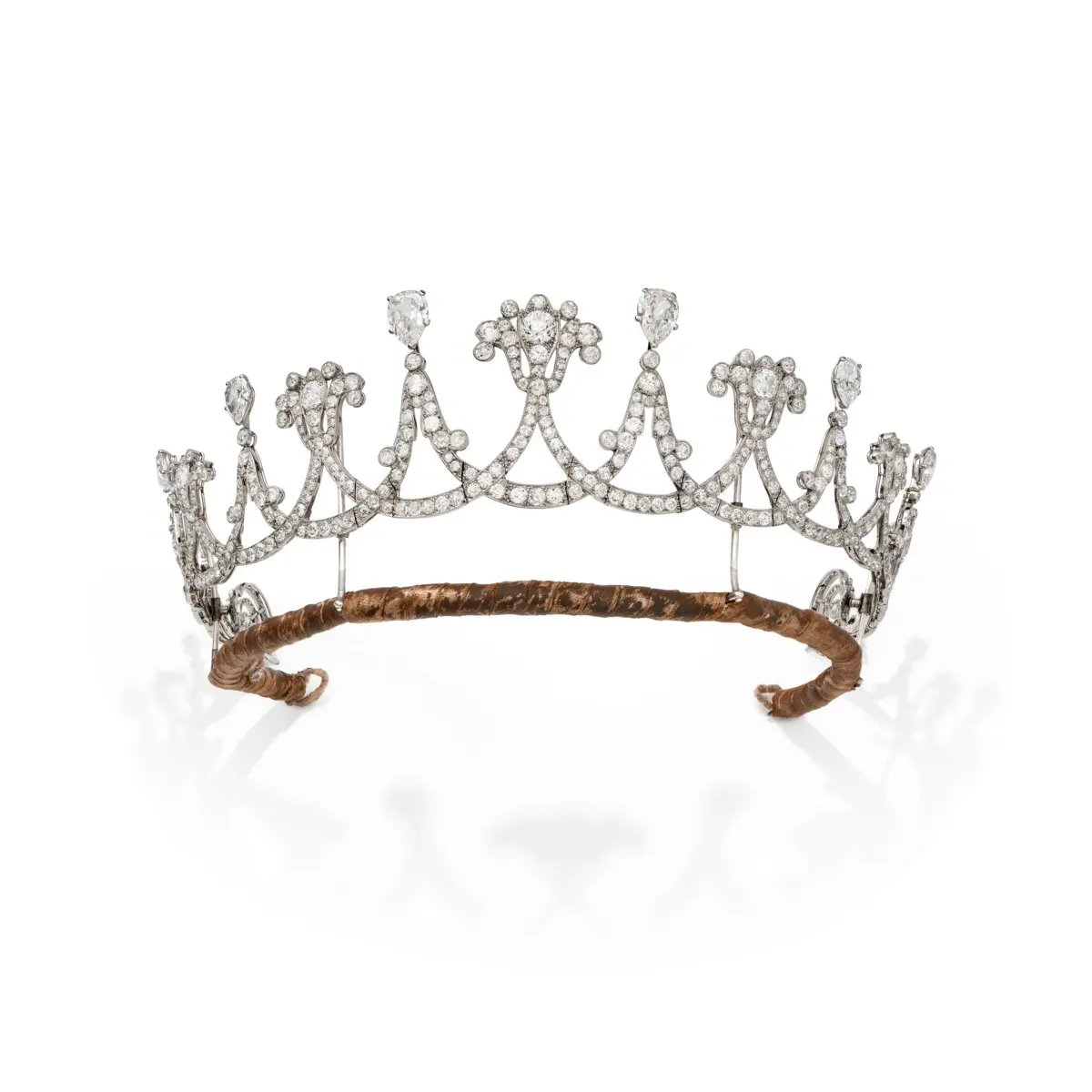
2026
2026
2026
2026
2026
2026
2026
2026
2026
2026
2025
2025
2024
2024
2024
2024
2024
2023
2023
2022
2021
2021
2020
2020
2019
2018
2018
2017
2017
2017

2017
2016
2016
In the trade, an antique diamond usually means a diamond cut by hand in one of the historic styles: above all the old mine cut, with its cushion outline, and the round old European cut, together with rarer rose, table and Mughal cuts. The word "antique" is strictly used for objects more than a hundred years old, but a loose diamond carries no date. Its cut tells you the cutting tradition; a laboratory report records its material, measurements and grades; its age and ownership history need separate evidence. Old styles are also cut today, so a careful description separates the visible cut from any claim about when it was made.
Antique diamonds are priced stone by stone. Weight, colour and clarity matter as they do for any diamond, but outline, crown height, the size and position of the culet, how lively the stone is in movement, and its condition can matter as much. Original old mine cuts cannot be made again: supply is limited to stones that have survived, and fine examples above five carats are genuinely scarce. See current asking prices for old mine cushions or old mine cushions over five carats.
Private collection
Share the cut, scale, period, colour or character you have in mind.
Confidential enquiry
Share the cut, scale, period, colour or character you are seeking. We will review public and private availability.
New diamonds, recent creations and invitations to view them.