

Antique diamond knowledge
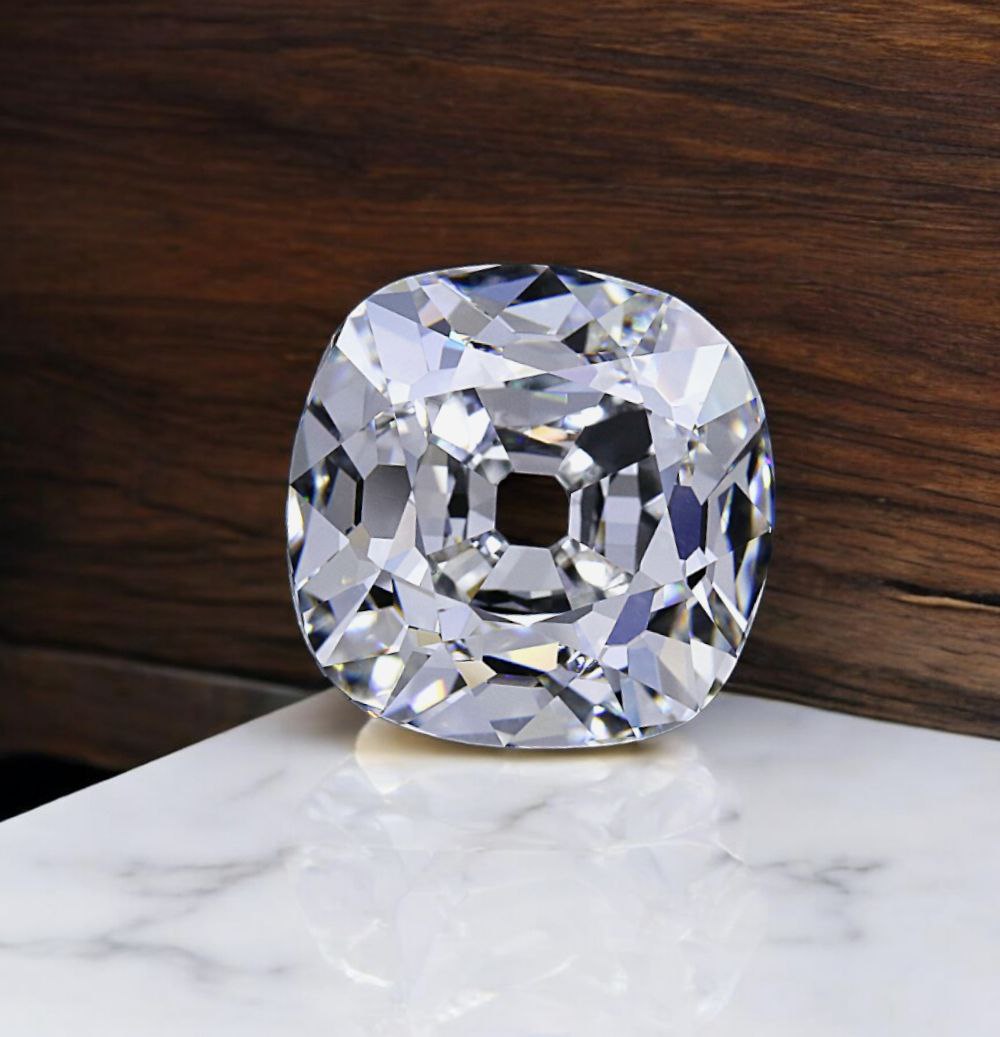
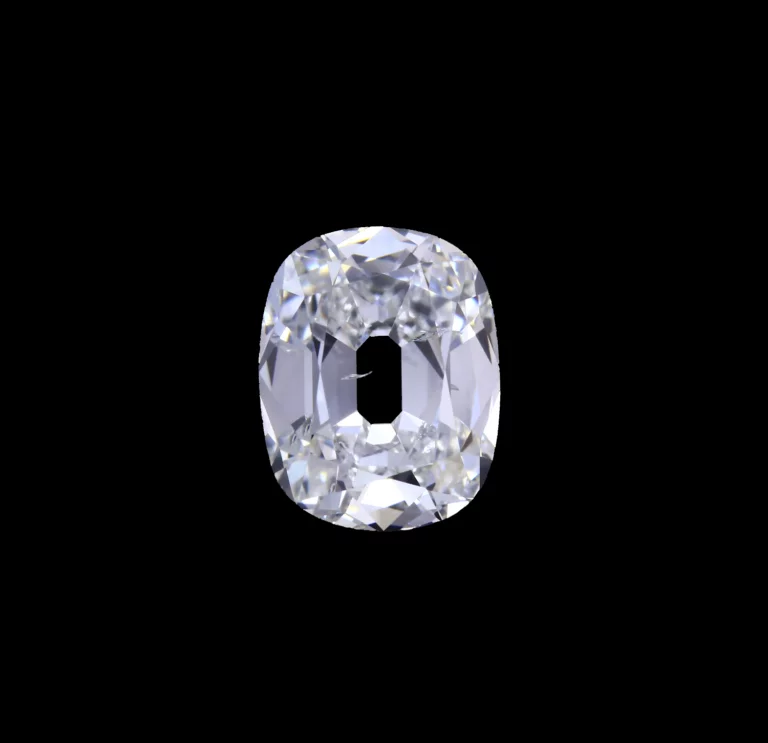
An open culet is a small polished facet at the bottom of a diamond, where a pointed tip would otherwise be. It is common in old mine and old European cuts. Face-up, it may look like a central opening or dark geometric point. Its appearance can change when the diamond moves, so examine it as part of the whole facet pattern rather than judging a single still photograph.
Reviewed 3 September 2026. Prepared by the Imperial Cushions editorial team from published diamond details and the cited GIA material.
What the culet is
The word originally names the small surface at the pavilion tip. In a traditional old mine cut, the surface may be broad enough to see through the table, especially when the stone is still and the background is dark. It is a physical facet, while the dark or pale appearance around it is an optical effect created by the facet pattern and the surroundings. That is why a single face-up picture cannot settle whether the centre will feel open, dark or lively in wear. Move the diamond slowly, change the light, and watch whether the centre stays fixed or changes with the adjacent facets.
GIA separates culet size from the condition of the tip in its finish, culet and girdle reference, with visible culet descriptions ranging from Very Small to Extremely Large. Ask for the report term, then confirm what it describes on the actual stone. A neat polished facet may be intentional; a rough-edged missing section needs condition assessment. Antique-style appearance does not prove the diamond's date of cutting, and the culet alone does not establish provenance. Join report, magnified pavilion view and face-up movement study.
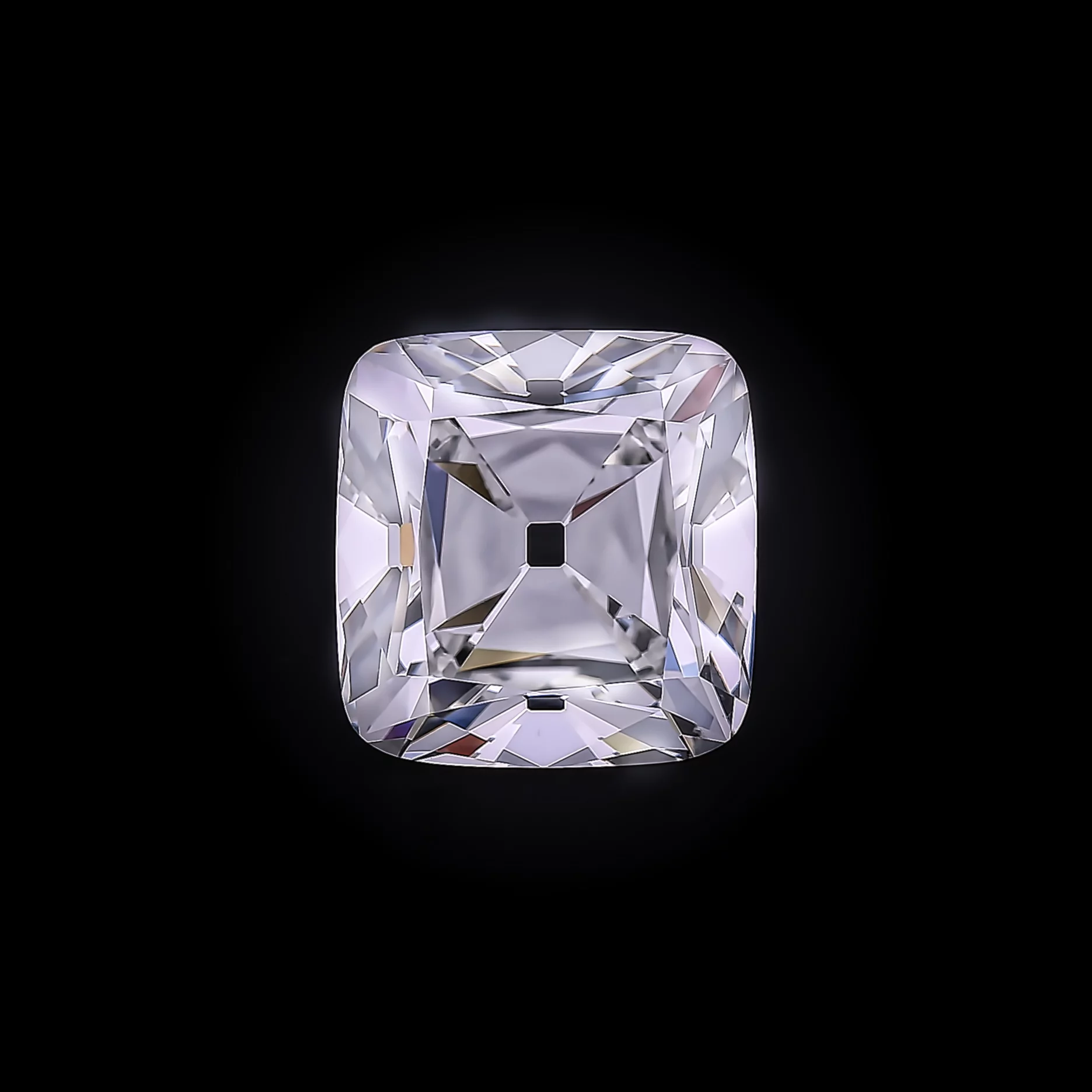
Why antique cuts have visible culets. Old mine cuts often combine a small table, high crown, deep pavilion, short lower-half facets and visible culet. The culet protected the pavilion tip and became part of the cut's architecture. A visible culet may create a quiet centre around which broad flashes move. It can also be too dominant or poorly placed. Judge it inside the whole pattern alongside the table, crown and pavilion.
Culet, chip or abrasion?
| Observation | Likely meaning | Best check |
|---|---|---|
| Flat, deliberate bottom facet | Intentional culet | Report, pavilion view and magnification |
| Irregular missing area | Possible chip | Several magnified angles |
| Frosted wear along an edge | Possible abrasion | Diffused light and condition video |
| Dark centre that moves on tilt | Often reflection or obstruction | Slow movement in more than one light |
Inspect the culet from several magnified angles. Use the antique diamond condition guide and the grading-report guide beside the stone. A deliberate flat facet should have a coherent edge and position. Missing material or abrasion needs a separate condition note, preferably marked on an oriented image. The marks let a cutter and setter discuss the same physical place rather than a dark patch in a photograph.
How culet size changes the pattern
A small culet may read as a pinpoint. A larger one may become a clear geometric window. Visibility also depends on table size, pavilion depth, facet scale, contrast and distance. A culet that draws the eye in a close image may settle into the pattern at ordinary viewing distance, especially as the stone turns. Compare the culet with the complete proportion set. Our proportions guide explains how table, depth, crown and outline work together.
Two stones, two readings
In the 8.01 ct H VVS2 diamond, the culet is easy to locate within a spacious field of broad facets. Follow the surrounding reflections as well as the centre; the culet should be judged with the outline, table and alternating light and dark areas. This is a comparison of the cut as a whole; the apparent diameter of the central facet is only one part of it.
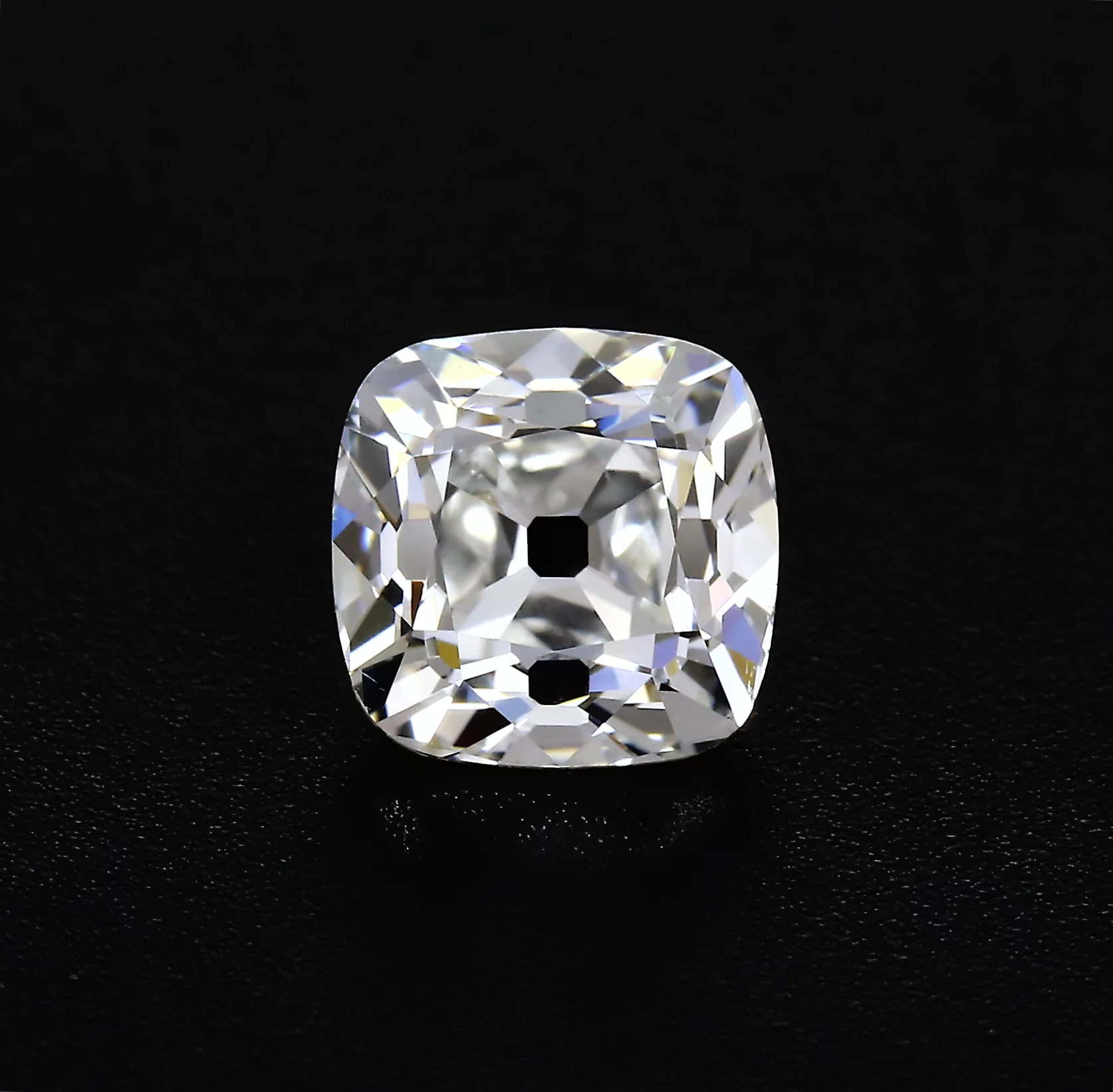
The 3.01 ct G VS2 diamond is more compact. Outline, facet scale and contrast change the balance. Its centre does not have to resemble the larger stone’s centre to be successful. Compare each diamond at the same image scale before making that judgment. The two photographs show different stones and lighting setups, so a controlled video comparison would settle more than their still frames.
Watch the centre move

Watch whether the culet darkens, brightens or recedes as the surrounding facets reorganise. Repeat at normal screen distance. Follow the video review with physical inspection of the culet and girdle. A video can show whether the central contrast shifts, while magnification can show whether an apparent dark edge is actually a damaged surface. Recheck the same area from the pavilion side so the changing face-up reflection is not mistaken for a permanent feature.
Buyer's checklist
- Read the culet description on the report.
- Request straight face-up and pavilion views.
- Watch slow movement in more than one light.
- Use magnification to separate the facet from damage.
- Return to the whole diamond and judge the balance.
Record the culet as a facet of the cut, document any chips or abrasion, then decide whether its size and position suit the overall pattern. Keep the report term, the magnified view and the ordinary viewing impression together, because each answers a different part of the question. A culet that suits one Old Mine Cushion may dominate another, even when both are sound and correctly described.
Sources and further reading
See the details in a stone
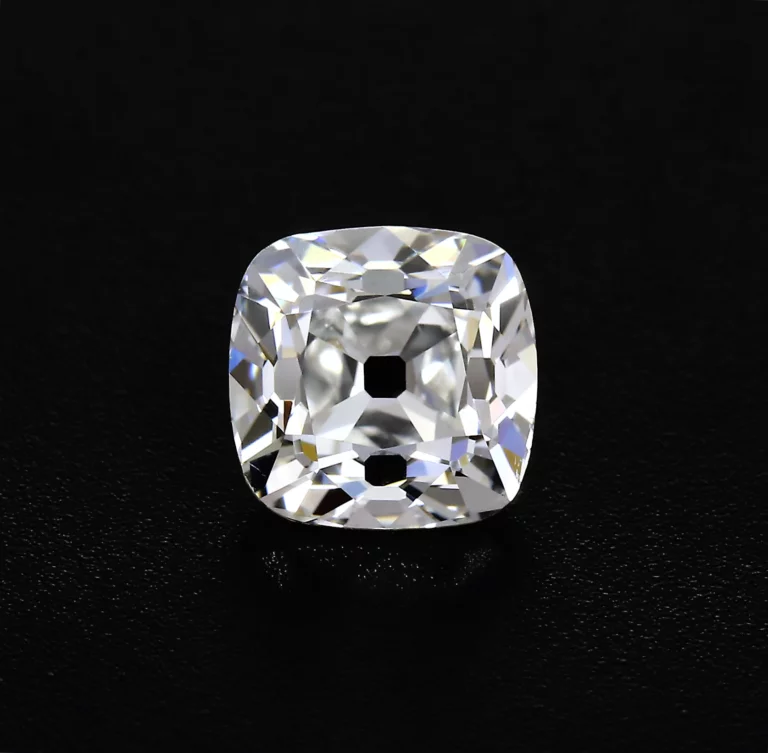
3.01 Ct. G VS2 Old Mine Cushion Brilliant
A near-square, 3.01 ct old mine cushion with a 51% table.
3.09 Ct. F SI2 Old Mine Cushion Brilliant
A 3.09 ct old mine cushion with a longer outline and 55.2% depth.