
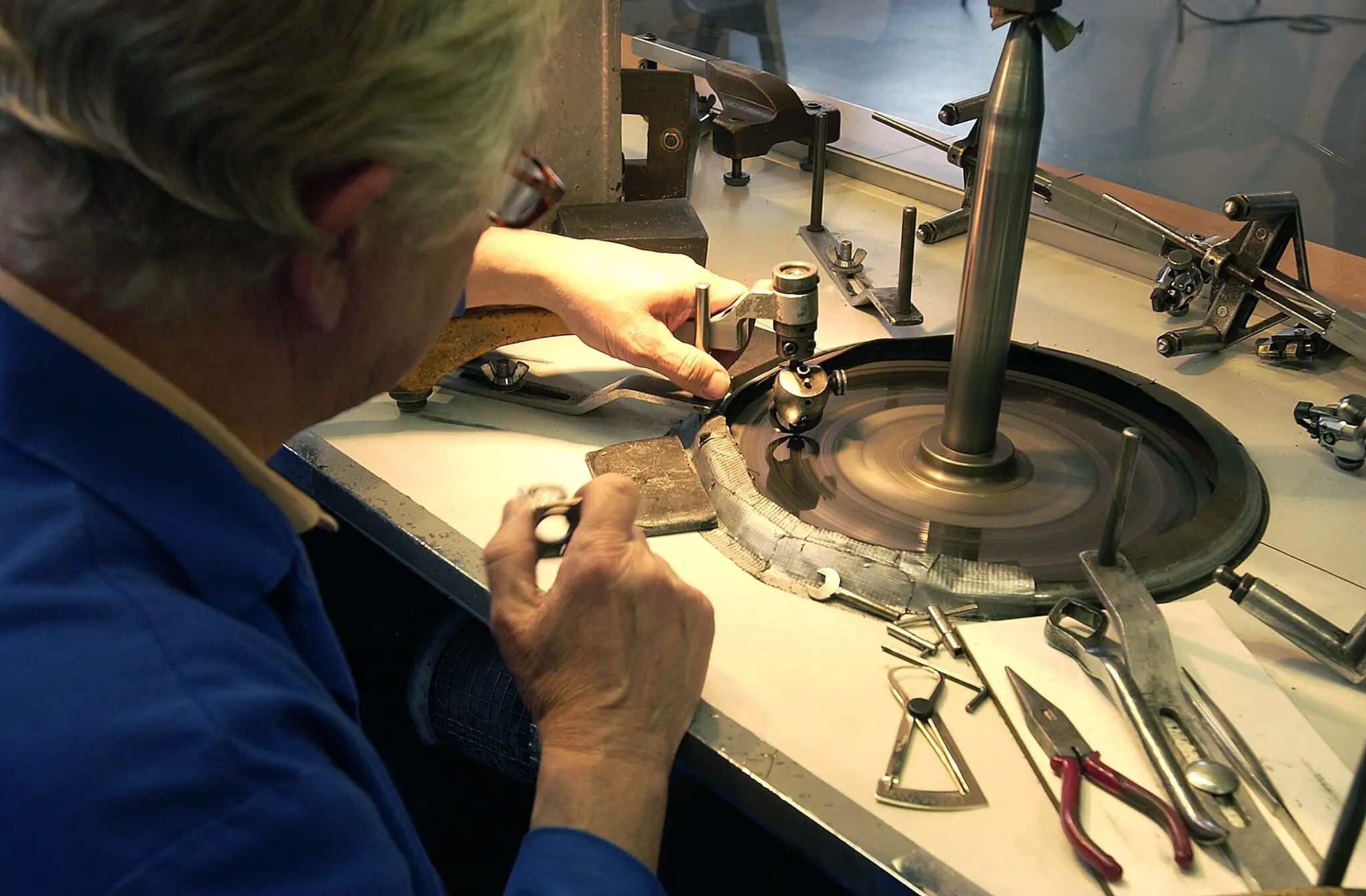

Preserve an Old Mine Cut diamond when its outline, facet pattern and movement work well and any condition issues can be managed safely. Consider repolishing or recutting only when a defined durability or optical problem outweighs the weight and character that will be removed. Different symmetry and proportions are part of the old mine cutting style. Examine them as features of the individual cut. Begin with condition, movement and the intended setting, then compare the least invasive options.
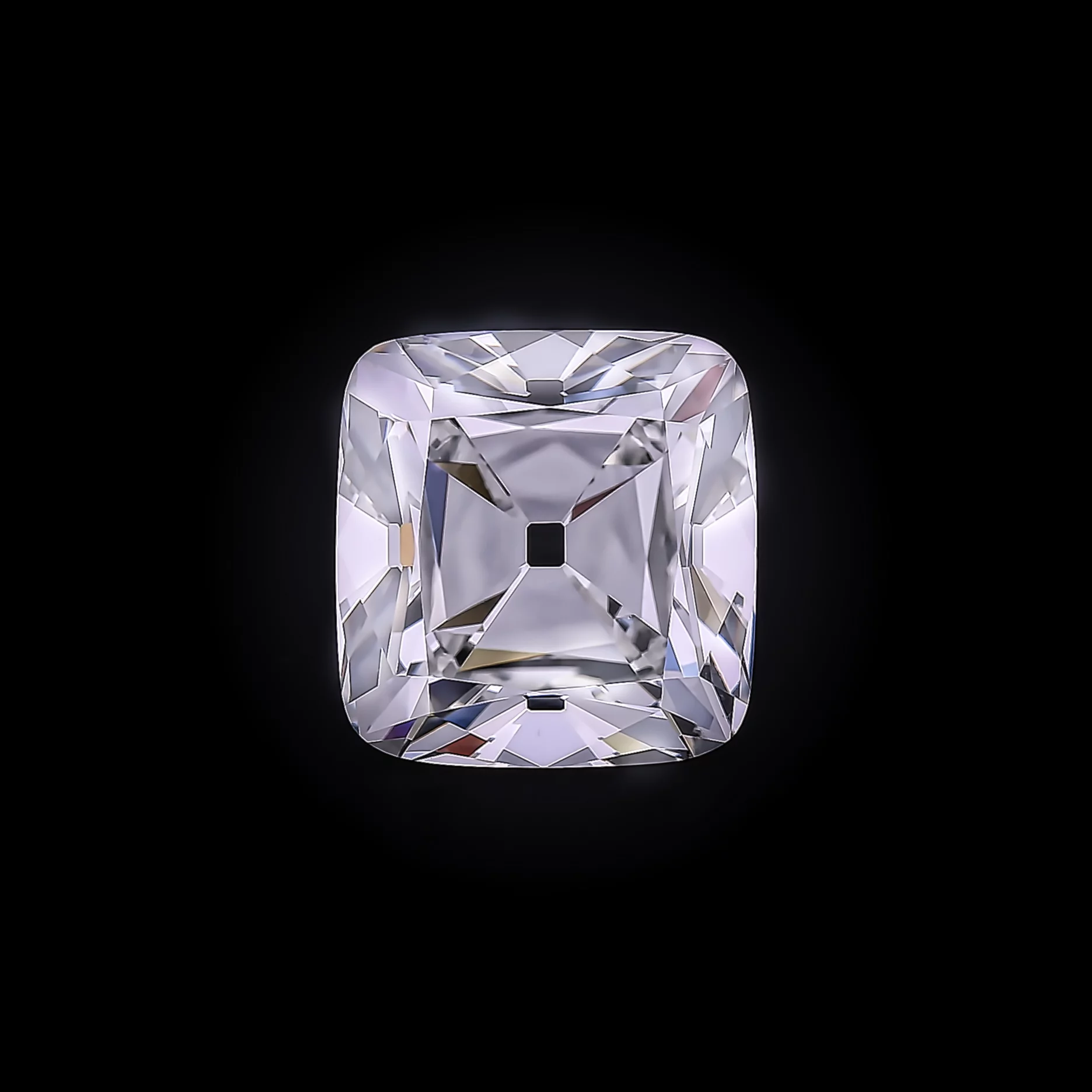
Preserve, repolish or recut?
| Path | When it may fit | What can be lost | Evidence needed first |
|---|---|---|---|
| Preserve | The stone is coherent, durable enough for its use and free from damage that must be removed. | The existing weight is retained. The setting may need to accommodate the existing outline, girdle, pavilion or culet. | Condition map, neutral video, measurements and setting review. |
| Limited repolish | A local surface or girdle issue can be improved without redesigning the stone. | Some weight, surface history and possibly part of the outline. | Marked work area, estimated result, facet plan and risk assessment. |
| Full recut | A serious durability or persistent optical problem requires more extensive cutting than a setting adjustment or local repolish can address. | More weight, original outline, facet relationships, culet and crown profile. | Detailed scan, alternative plans, projected results and independent review. |
First separate damage from character
Old mine cutters commonly worked with a cushion outline, a high crown, a comparatively small table and a visible culet. Their stones were not all intended to meet one modern set of dimensions. A corner that sits a little differently from its opposite, or a culet that looks off-centre, can make the pattern more individual without making the diamond unsafe. The distinction requires a close inspection. A chip interrupts a surface that was once continuous; a natural preserves a piece of the original crystal surface; abrasion softens edges that were once sharp. GIA's Old Mine Cut guide describes the style and notes that the girdle can be very thin in places.
Clean the diamond and mounting first, then map the girdle with the condition guide. Compare the stone face-up at ordinary distance, slowly turning in diffuse light, and magnified with the vulnerable areas identified. A close-up can make a tiny feature appear decisive when it disappears in ordinary wear; a beautiful face-up photograph can conceal a damaged corner. Metal can protect a sound thin section, but it cannot repair an existing fracture. Ask the gemologist and setter to describe the same location on an oriented image.
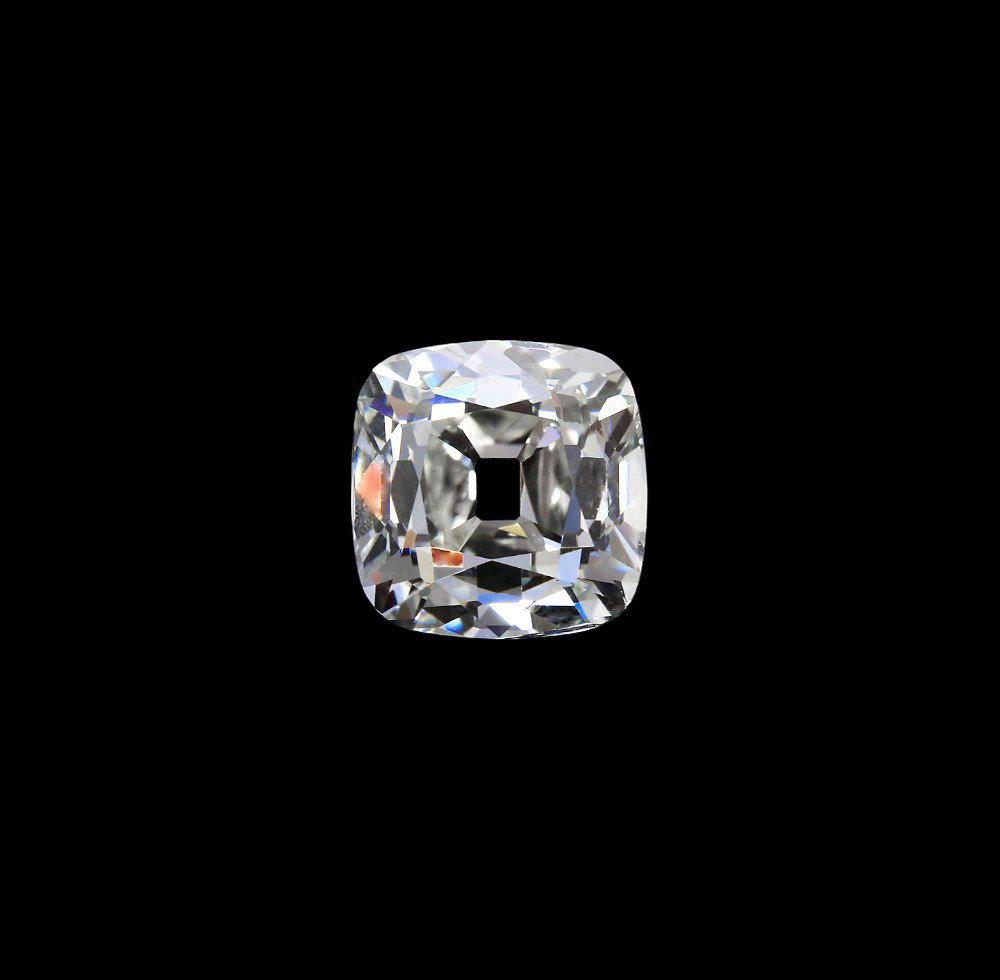
Before considering a recut, I want a clear account of what it would change: the outline, the facet pattern, the weight and any condition issue. The proposed improvement has to be worth what would be removed.
What cutting changes
Recutting can change outline, ratio, face-up dimensions, crown, pavilion, table, culet and facet relationships. It removes weight. The finished weight and grades can be estimated, but only the completed stone and a new laboratory examination can settle them. More face-up spread is useful only if the new stone remains bright, durable and balanced. Our face-up size guide explains why dimensions and weight answer different questions.
When preservation is stronger
Preserve when the stone already has a convincing relationship between outline, pattern and movement. A slightly off-centre culet or unequal corners may belong to that relationship. Chasing modern regularity can produce a neater diamond with less of the character that made it interesting. Also preserve when the promised improvement is vague. A useful cutting plan identifies a specific change and its expected visual effect. Ask which areas fail, under what light and how the proposed geometry addresses them.
When limited repolishing may fit. Local work can make sense when abrasion has softened a concentrated area or a small damaged section threatens durability. Ask the cutter to mark the exact area and state what will change: outline, girdle thickness, facet placement, weight and measurements. When a full recut deserves study. A full recut may be reasonable when a material durability problem requires cutting after protective setting options have been assessed, or a persistent optical failure appears across controlled viewing conditions. The case should be specific enough for two qualified professionals to discuss the same evidence.
Computer planning can compare alternative designs and weight retention. Compare designs that suit the actual rough remaining and the character you want to retain. Cushion facet structures vary, and their finished appearance still needs direct assessment.
A setting may solve the problem
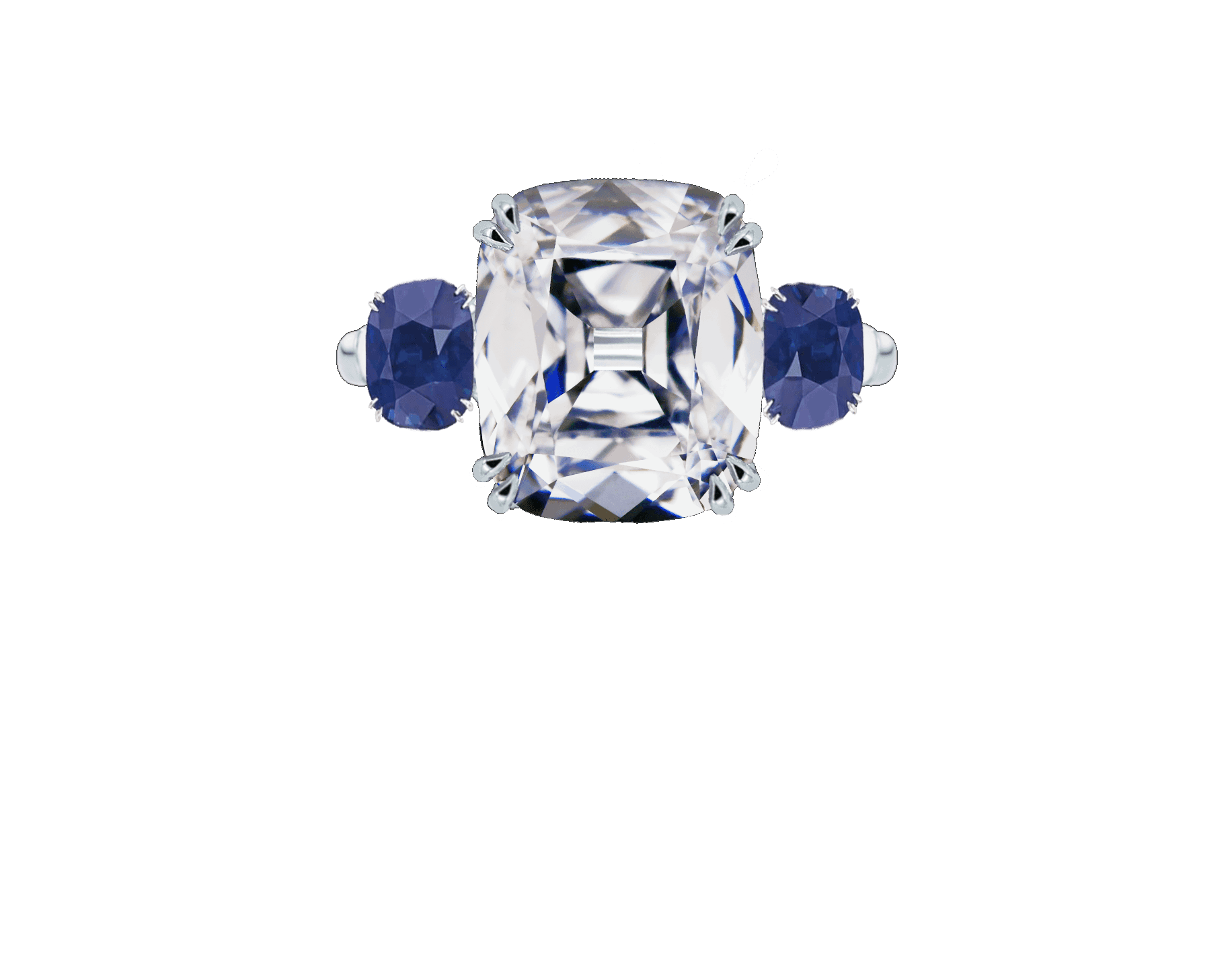
An experienced setter can vary prong position, protect a thin area and provide clearance below a deep pavilion. Assess the severity of any damage while comparing protective setting options with cutting.
Evidence to collect before any work
- Match the report, inscription, weight and measurements.
- Map chips, naturals, cavities, abrasions and thin girdle areas.
- Record face-up, profile and movement views in matched lighting.
- State the exact durability or optical problem.
- Compare preservation, setting protection, repolishing and recut plans.
- Record projected weight, dimensions and uncertain outcomes.
- Get an independent opinion for an important stone.
- Plan new laboratory examination after cutting.
Define the problem and the qualities you want to preserve before approving work. Review the grading-report guide, our guide to open culets and the current diamonds.
Request a condition and movement review
Ask for the available report, neutral-light video, measurements and condition notes. An independent inspection can be arranged when appropriate. Ask about inspection and service.
Editorial attribution: Updated by Mort for Imperial Cushions, 3 September 2026. Before work, obtain an inspection by an independent gemologist and a cutter experienced with antique diamonds.
Sources: GIA Guide to Old Mine Cut Diamonds; GIA: How to Protect Your Diamond from Chipping; GIA Natural Diamond Grading Reports and Services; GIA Gems & Gemology: The Science and Art of Recutting Fine Gemstones.
See the details in a stone
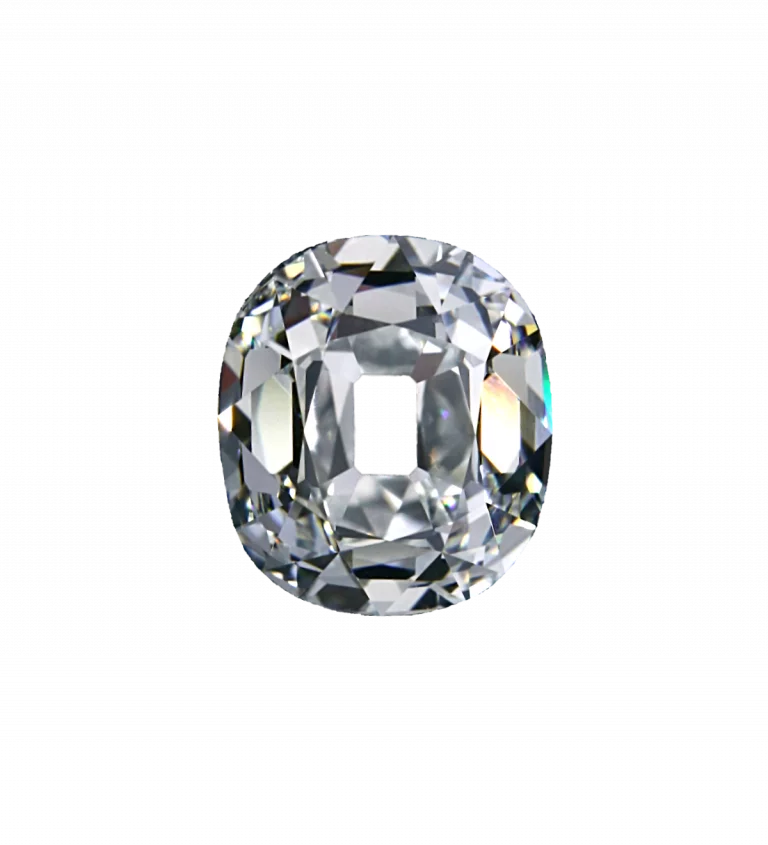
5.02 Ct. H VS2 Old Mine Cushion
The on-hand clip includes a side view for examining crown and pavilion together.