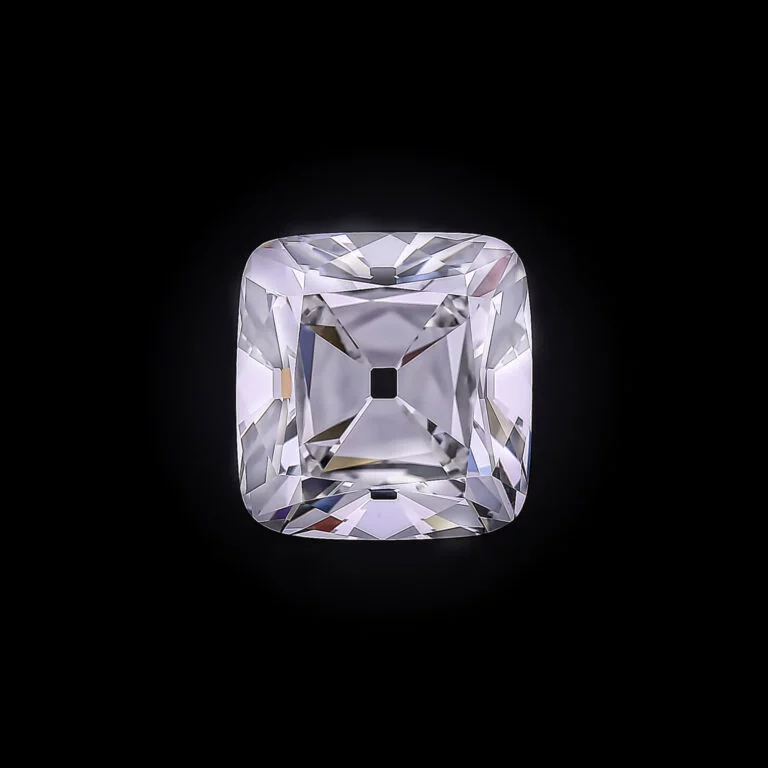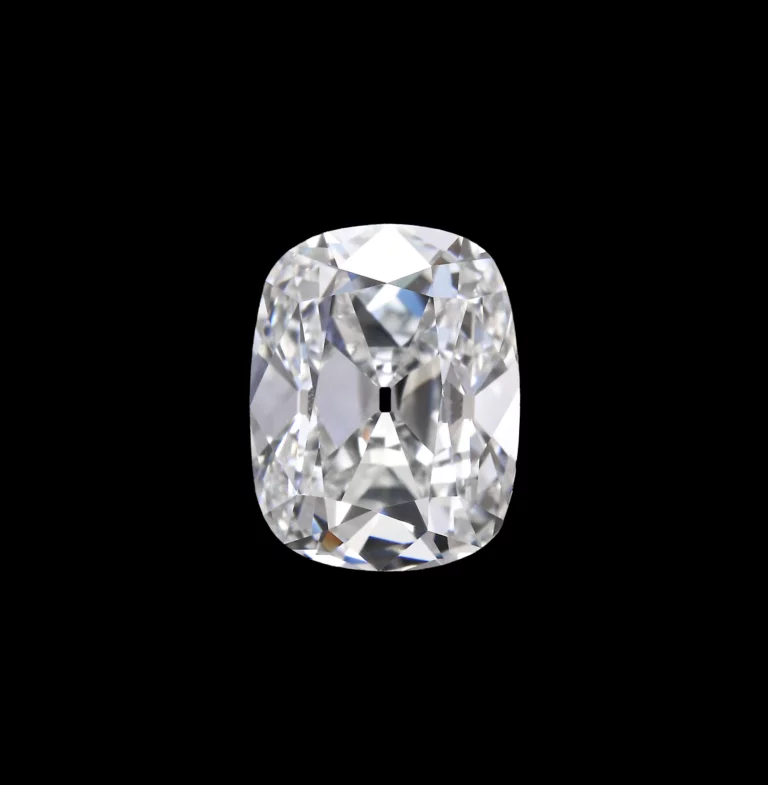
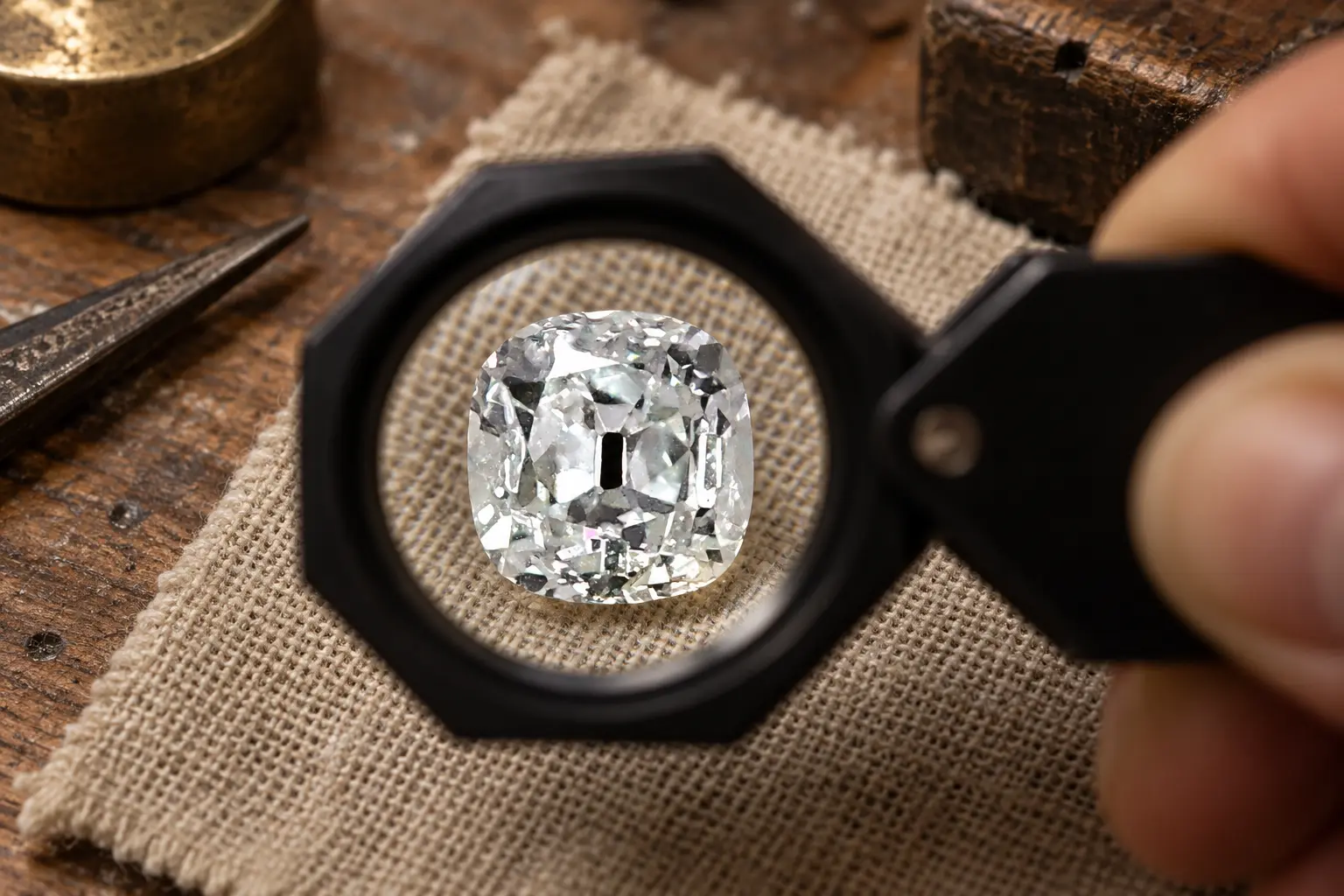
Assess clarity in an Old Mine Cut by matching the report's characteristics to the stone in a face-up view. Look at it at a comfortable viewing distance, follow the broad central facets through a slow tilt, then ask for an oriented magnified view of any feature you want to understand. GIA describes Old Mine Cuts as having larger, chunkier facets. Those facets, their junctions and the open culet give you useful landmarks when comparing photographs with the report. GIA's Old Mine Cut guide explains the cutting style.
Why an old mine cut asks for a slower look
Many old mine cuts were fashioned with a small table, a high crown and broad facets. As the stone turns, a single central facet can become bright, then dark, before another takes over. That pace is part of the pleasure of examining one. It also changes how an inclusion presents itself. A mark that disappears in a still image may become visible against a bright facet for an instant; a mark that looks large under 10x may be quiet at normal viewing distance. GIA's clarity grade describes what trained graders find under controlled magnification. It does not replace the question a collector asks face-up: can I see the feature, and does it interrupt the pattern I came for?
Age alone does not explain a clarity characteristic. An included crystal, a feather and a surface-reaching feature raise different questions about appearance and durability. Read the report's key before using the trade's loose phrase "eye clean." A seller and buyer can mean different viewing distances and lighting by that term. Name the conditions of the inspection instead, then ask for a second angle if the feature sits near a facet junction or girdle.
Read the grade, plot and comments together
GIA assigns clarity using what a trained grader sees at 10x magnification. The five factors are size, number, location, relief and nature. Relief means how strongly a characteristic contrasts with the diamond around it. A characteristic near the centre of the table or with strong contrast can carry more weight in the grade. GIA explains the grading factors here.
The plot maps approximate positions in crown and pavilion views. Read its key and the comments as well: faint, widespread or additional characteristics may be recorded in words. GIA's plotting guide explains how the diagram is prepared. For a practical comparison, ask the dealer to orient the stone to the plot and point out the listed characteristics. Then view the clean diamond face-up at your usual viewing distance. Record the distance and lighting whenever someone describes it as eye-clean.
The plot is a map, not a portrait
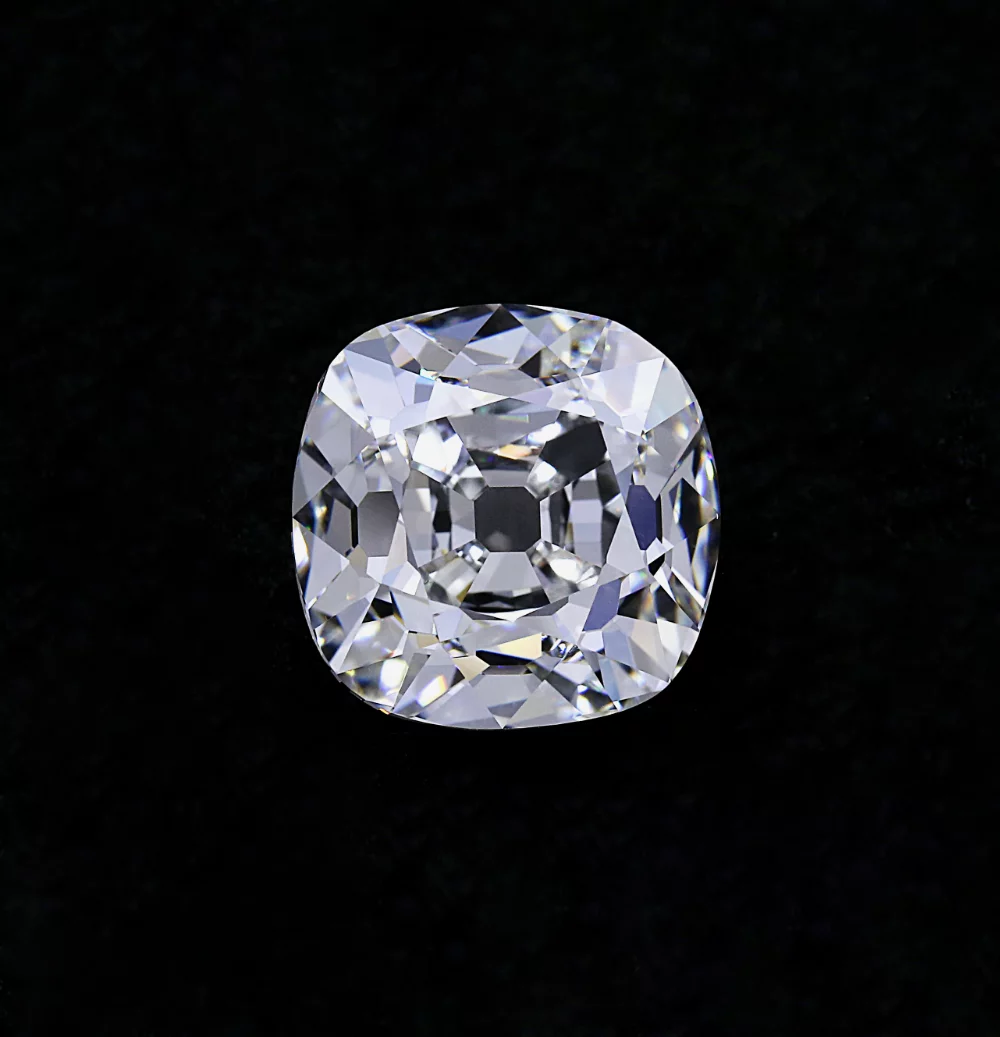
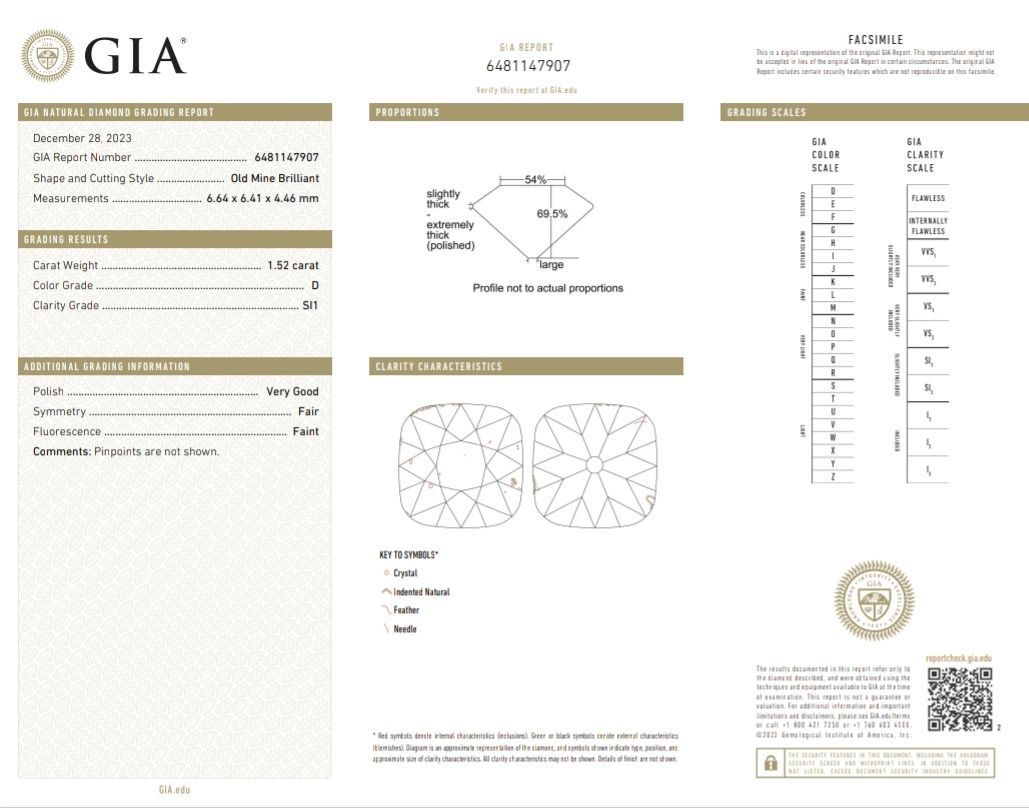
A clarity plot helps you locate characteristics, but its marks are schematic. Their drawn size is not a scale model of what you will see. The report's comments may add information that the plotted symbols cannot carry neatly. Once the 1.52 ct report is beside the photograph, rotate the stone until the crown view matches the plot. Then move away from the loupe and see whether the feature appears without magnification. That sequence prevents a common mistake: recognizing a symbol on paper and deciding how distracting it must be before looking at the diamond.
With a broad-faceted stone, make the second pass in motion. Keep the light and distance steady. If the dark area travels with a facet, light and observer reflection may be involved; if a localized feature stays at the same position, ask for an oriented close-up. The answer may involve both. A condition inspection is particularly useful when a plotted characteristic is close to a girdle that a setter must handle.
A real SI1 example
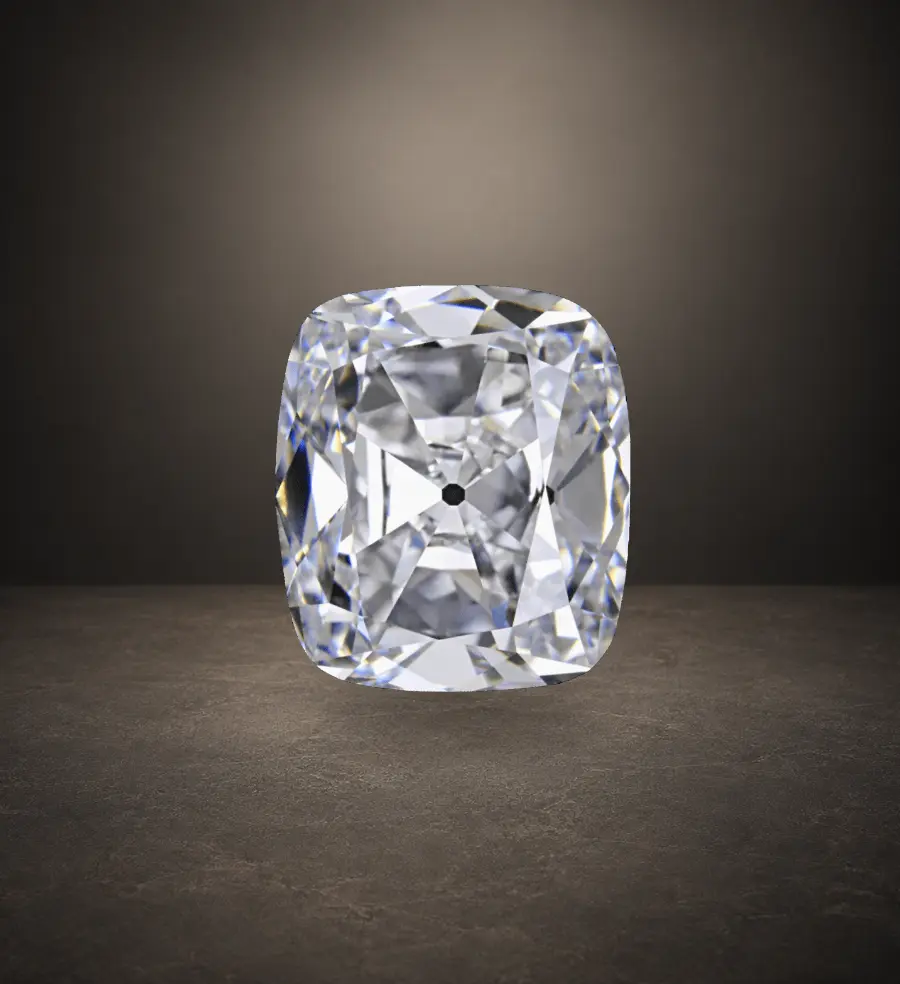
Our 1.52 ct D SI1 Old Mine Cushion, IC-05732, has GIA report 6481147907. The report records Old Mine Brilliant as its cutting style. Its key lists crystal, indented natural, feather and needle, and the comments add “Pinpoints are not shown.” Read that comment alongside the plot before matching the report to the stone.
Compare those moments to track the central pattern through the clip. Request a sharper, oriented close-up and a current examination to assess the listed inclusions and their visibility at normal distance.
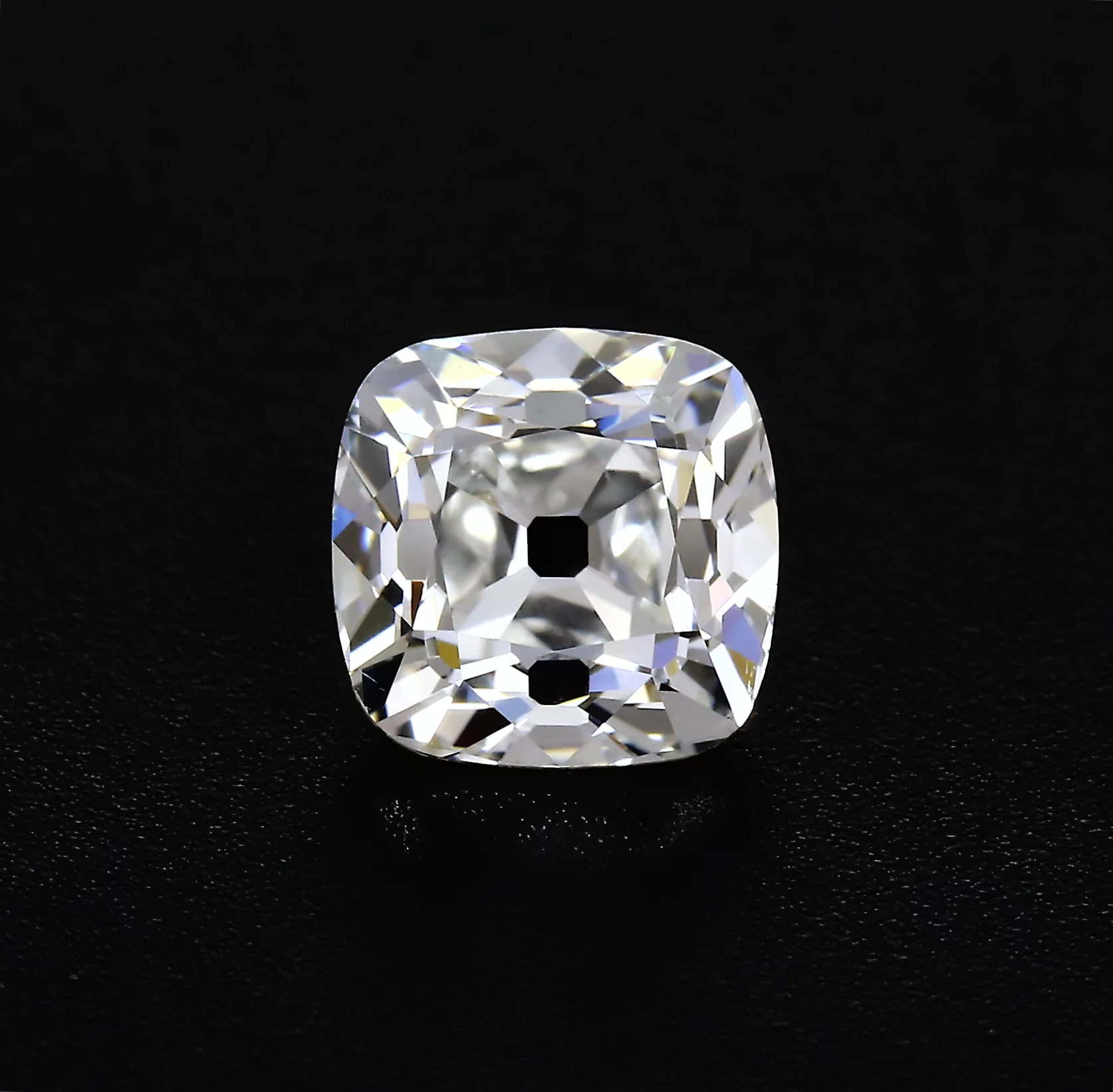
Ask for the view that answers your question
| Question | Useful evidence |
|---|---|
| Can I see a characteristic in normal wear? | A clean, face-up stone at a stated distance in diffuse light, followed by a slow tilt. |
| Which mark belongs to the report? | An oriented 10x view that identifies the characteristic and its position on the plot. |
| Does a feature need attention before setting? | A current specialist examination of any surface-reaching feature, with the intended setting in mind. |
If a dark area changes strongly with the camera or tilt, use our distance and lighting test to study the reflection. Follow that with magnification to identify a persistent feature. For setting decisions, the condition guide covers the girdle and surface checks. The IF grade on IC-01706 gives a different laboratory starting point: GIA defines Internally Flawless as having no inclusions and only blemishes visible at 10x. Its stone page lets you review the photograph and movement alongside that grade. Your preference for a higher clarity grade can be discussed together with the outline, facet pattern and intended jewel.
For help with the document itself, use our antique diamond report guide. To compare available material, browse the diamond collection or request a private selection. Ask for the report, an oriented inclusion view and a private inspection of the stone you are considering. See current old-mine cushion prices, including the 5.16 ct G SI2.