Prepared by the Imperial Cushions editorial team. Laboratory terminology is retained where a report is cited; historical context and dealer judgment are identified as interpretation.
Evaluate an antique diamond in three passes: identity, appearance and condition. Keep the report beside the images and write down what you observe at each stage. This makes comparisons much easier when several stones are under consideration.
Match the stone to its report
Verify the report with the issuing laboratory, then match the measurements, weight, inscription and plotted features where available. Read the comments as well as the grades. The report guide explains what each field records.
Compare two real outlines
The 3.01 ct G VS2 cushion measures 8.24 × 8.05 mm, giving an almost-square face. The 2.13 ct D IF cushion measures 7.74 × 6.52 mm and has a longer, straighter-sided outline. Their different corner shapes are worth studying alongside the dimensions.
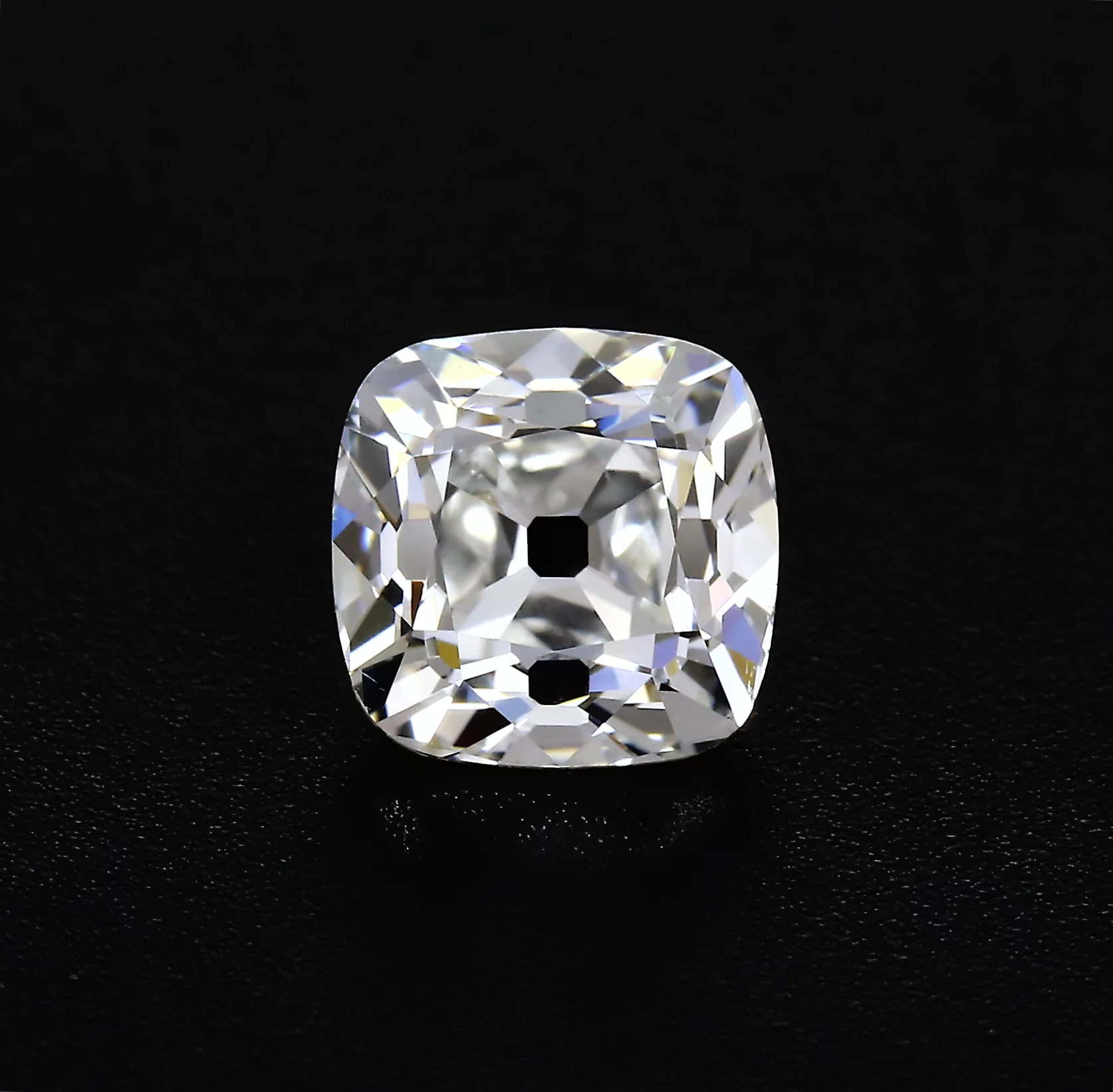
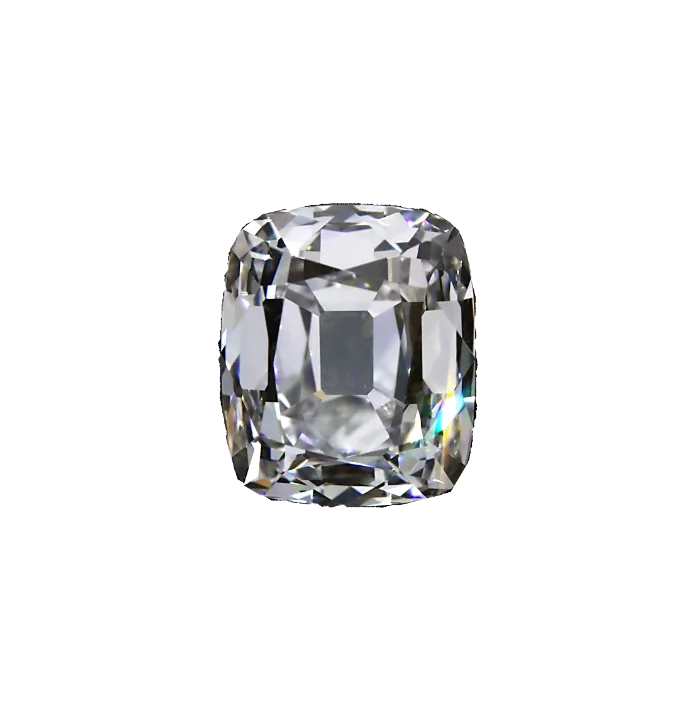
These images introduce the outlines at different photographic scales. For a size comparison, request equally scaled photographs. For light behaviour, watch a full rotation in diffuse light and ordinary room light, following the centre, corners and culet. Repeat at normal wearing distance.
Inspect the condition and setting requirements
Examine the girdle, culet and surface-reaching features under magnification. Record thin areas, chips, abrasion and signs of earlier work on a condition map. A side view helps the setter plan support and clearance.
Bring the report, movement video and condition notes together before deciding. For an important purchase, arrange direct or independent inspection.
See the details in a stone
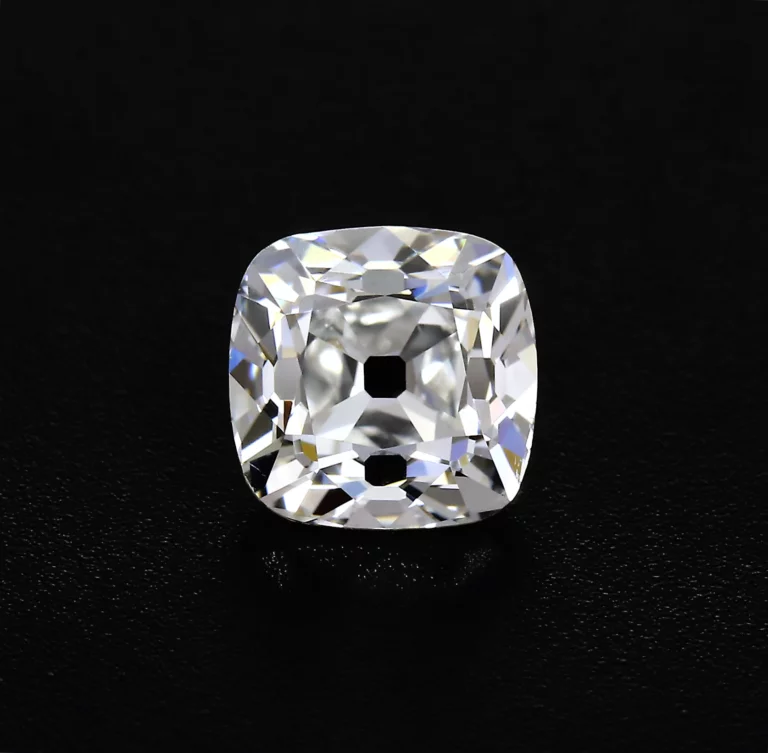
3.01 Ct. G VS2 Old Mine Cushion Brilliant
A near-square, 3.01 ct old mine cushion with a 51% table.
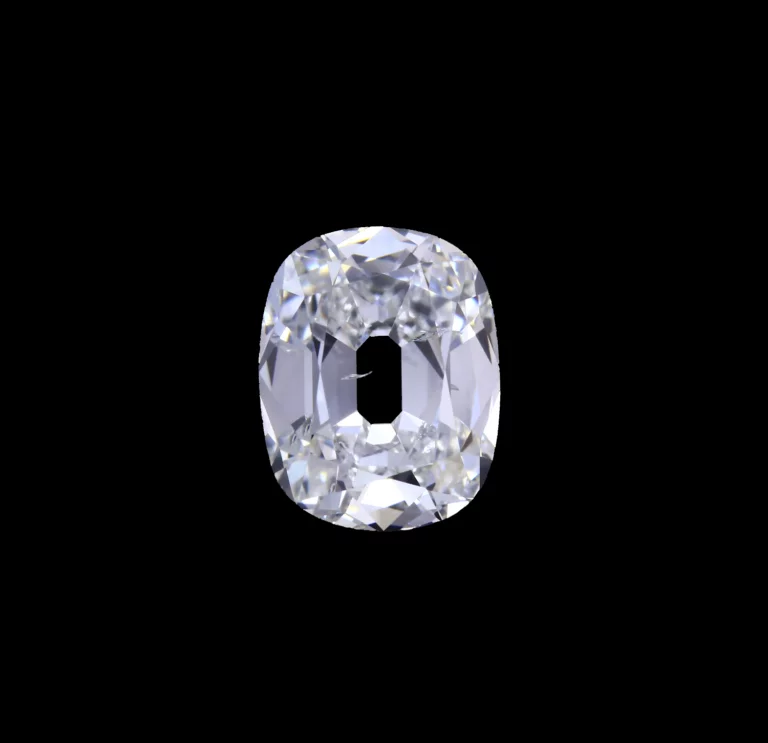
3.09 Ct. F SI2 Old Mine Cushion Brilliant
A 3.09 ct old mine cushion with a longer outline and 55.2% depth.