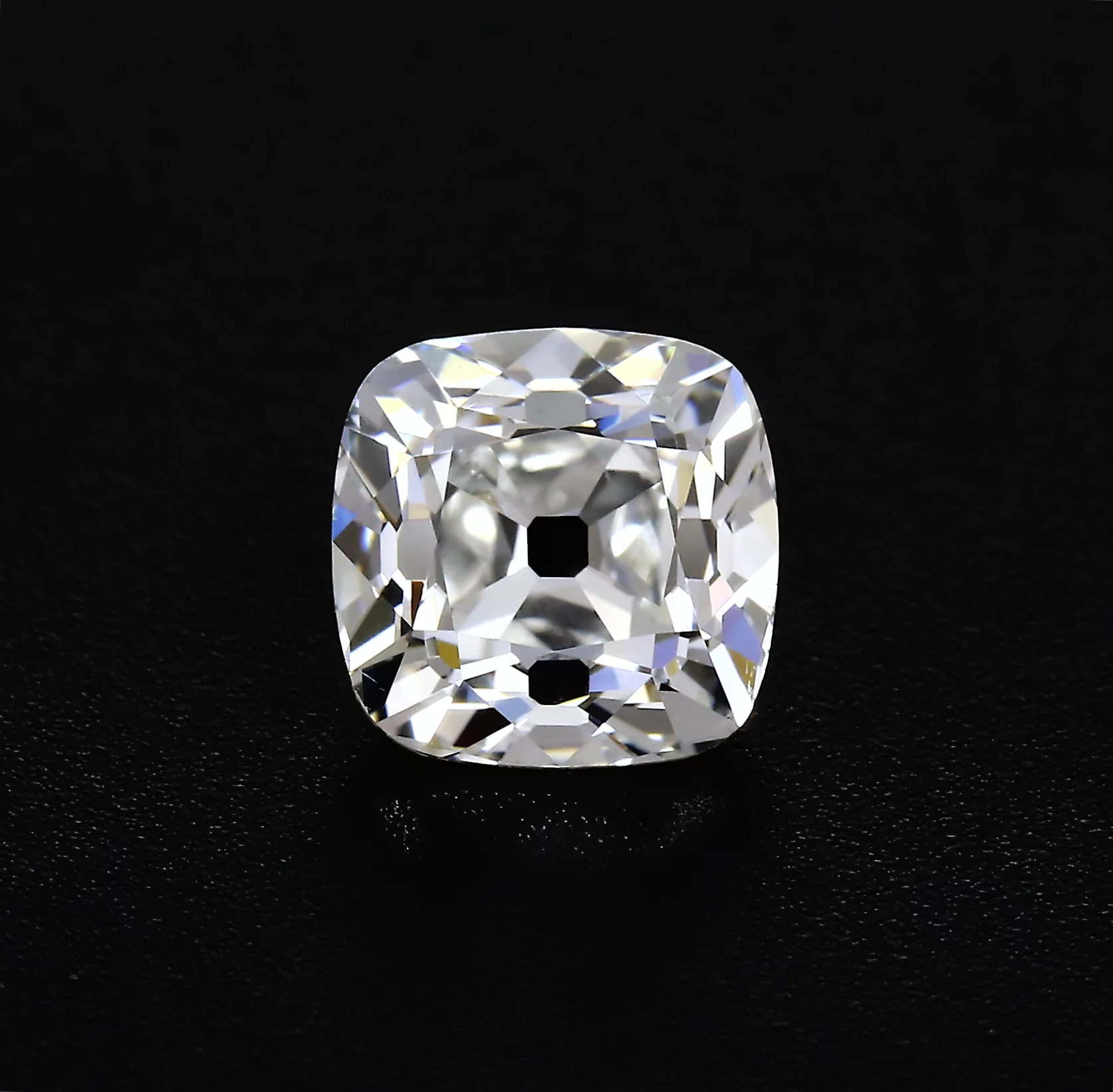
An old mine cushion announces itself slowly. The first glance finds a soft square or rectangle, a small table and a crown that rises above it. A slight turn changes the broad bright facets into dark ones, then back again. That movement is why a single photograph can suggest the shape but cannot finish the assessment. Compare the outline, proportions and condition in person or with a steady face-up video before settling on a favourite.
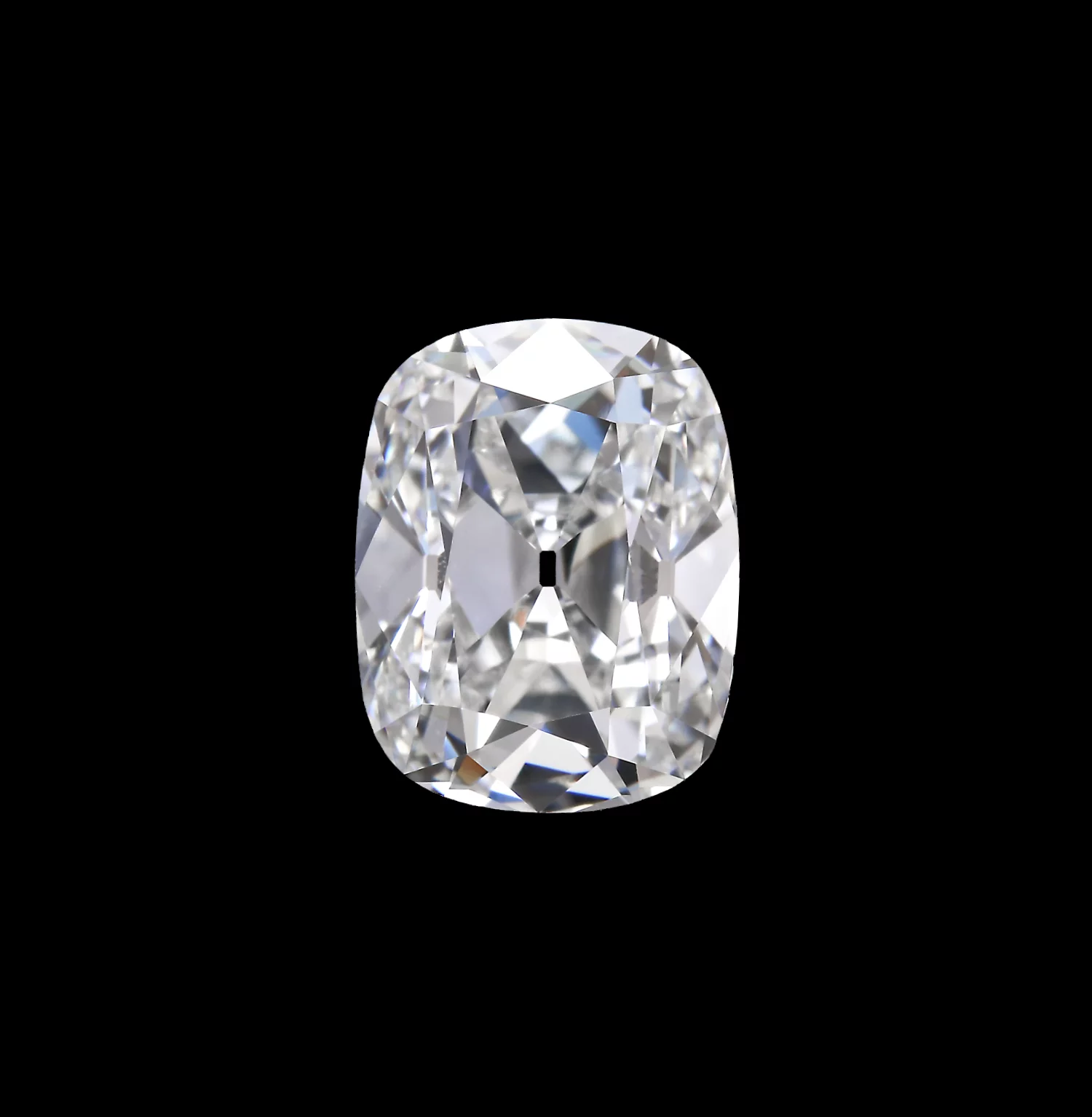
The outline has more than one shape
The old mine style is often described as cushion-shaped, but the word covers a wide family of outlines. Some stones sit close to square; others have a distinct length. Shoulders can swell, corners can be rounded unevenly, and one side may carry more weight than the other. GIA describes the typical high crown, small table, deep pavilion and large culet in its history of cushion cutting. It also explains why retaining weight from rough helped shape early examples.
Set a nearly square example beside an elongated one and the outline becomes easier to read. The recorded dimensions for IC-05912 are 8.24 × 8.05 mm, a 1.02 ratio. IC-06215 measures 11.72 × 8.91 mm, a 1.32 ratio. These figures describe length against width; they do not rank beauty or light return. Trace the full edge with your eye. An appealing outline can be irregular and still feel balanced, while a pronounced flat or bulge may draw attention in a finished ring.
Read the facets while the stone moves
Look first through the table and around the culet, then follow the larger crown facets out to the girdle. An open culet may appear as a small central shape when viewed straight on and change with the angle. Broad flashes of white and spectral colour can alternate with dark reflection as the stone turns. Those dark areas are part of the changing pattern if they move with the light. A fixed-looking dark patch deserves a second view in different light and, when needed, magnification.
GIA's old mine cut guide describes the short lower-half facets and frequently thin girdle sections found in this cutting style. The guide supplies a useful vocabulary, but each stone asks for its own inspection. Request a clean face-up video at a stated distance, then a slow turn in diffuse daylight and ordinary room light. Let the camera stay far enough back to show the entire outline rather than filling the frame with one facet.
Weight does not tell you the visible size
Carat is weight, not a face-up measurement. Compare the millimetre dimensions and depth beside the weight, especially when two cushions have different length-to-width ratios. A deeper pavilion may retain more weight below the girdle; a shallower stone may appear broad in a photograph. Neither conclusion can be reached from a ratio alone. View the profile and ask whether the proportions still give a face-up pattern that appeals to you in the light where the ring will be worn.
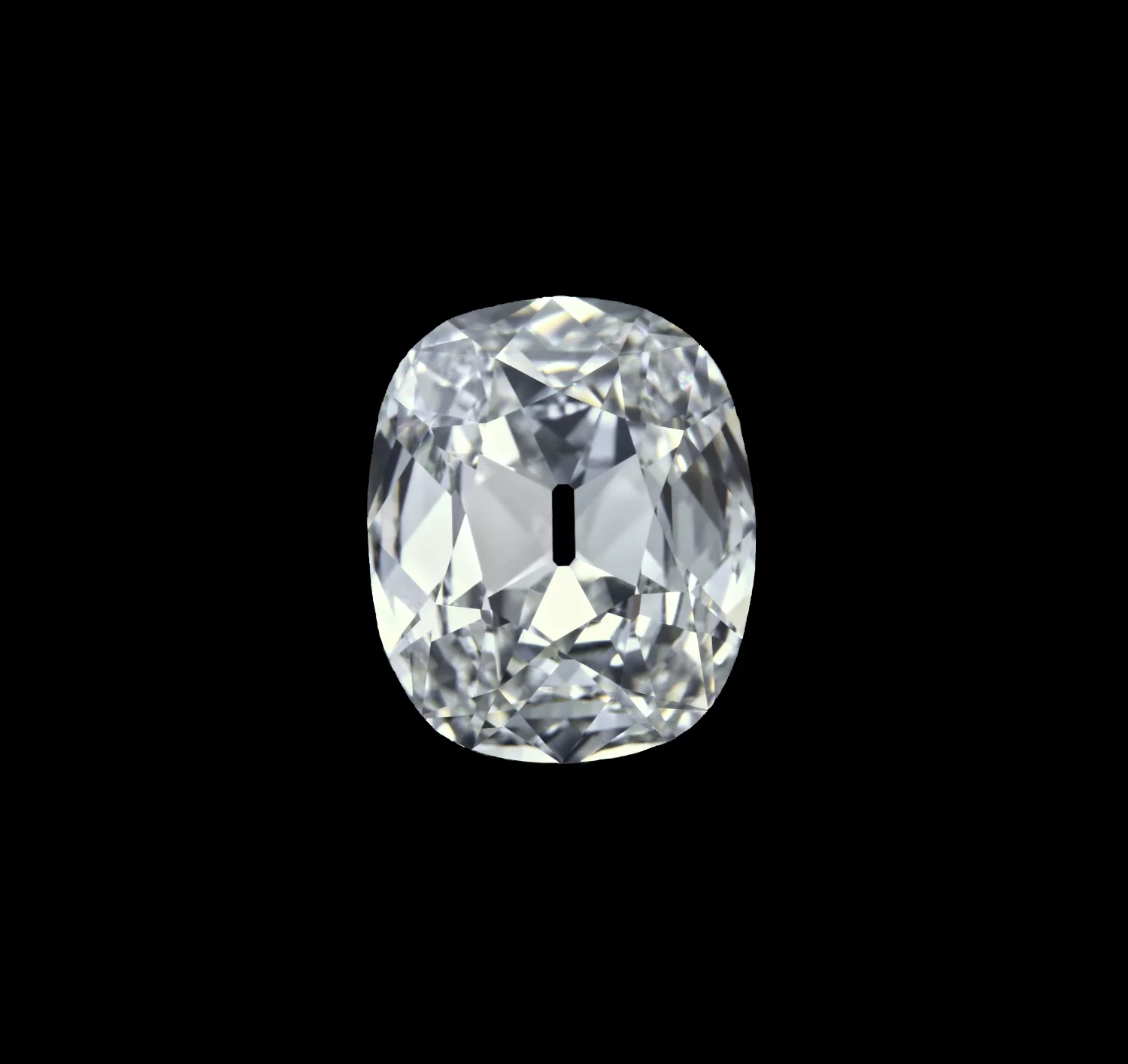
The comparison also shows why a table percentage is only one piece of evidence. IC-05729 has a listed 48% table, while IC-05912 lists 51%. These numbers can describe part of the architecture, but they cannot tell you whether broad flashes linger pleasantly as the diamond moves. Ask for the report, its measurements and a video of the actual stone rather than substituting a preferred percentage for a visual decision.
Condition belongs in the same conversation
Older-style cushions may have girdles that vary from thick corners to very thin intervals. Check for chips, abrasions, naturals and previous repairs, then ask how a proposed setting will hold the actual outline. GIA advises particular care with extremely thin girdles, sometimes considering a bezel for protection. The decision still belongs to a setter who can examine this diamond, map vulnerable spots and design the seats around them.
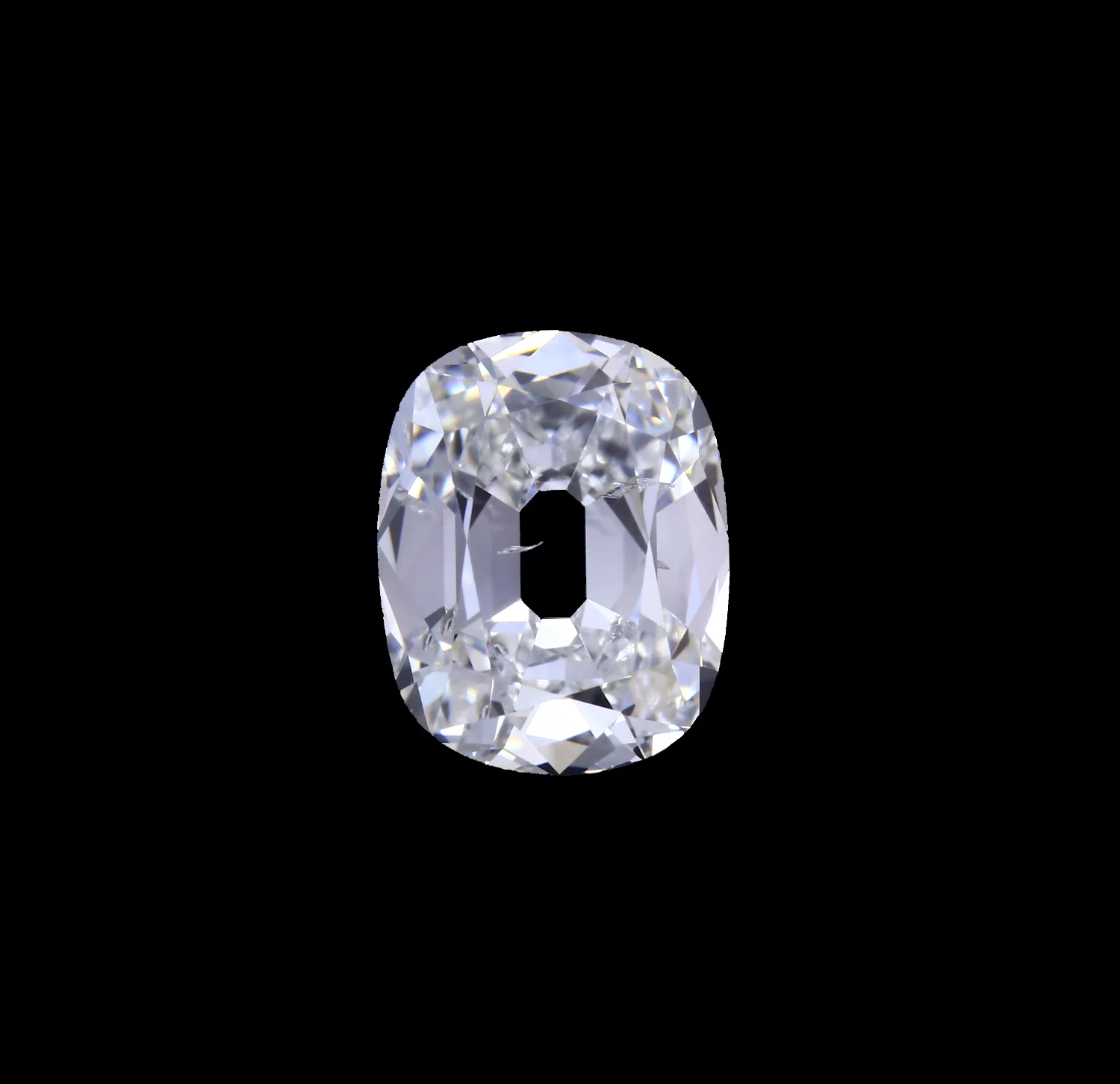
Finally, separate style from age. Old mine-cut stones occur in historic jewellery, and cutters also make stones with old mine character today. A laboratory cutting-style entry describes the diamond presented to the lab, while a claim about its original date calls for separate evidence. The best viewing combines the report, the real outline in motion and a condition assessment before the mounting is chosen.
See the details in a stone
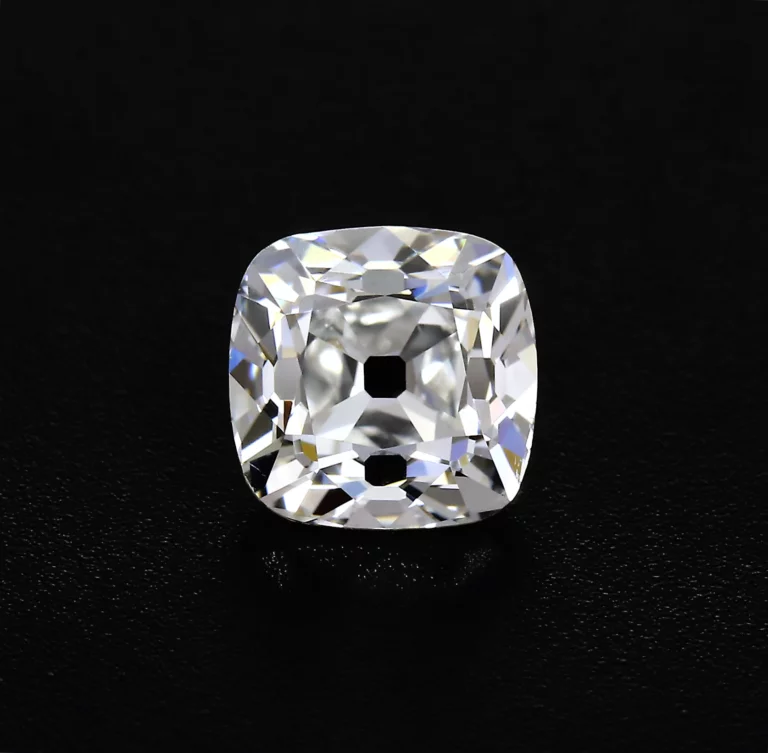
3.01 Ct. G VS2 Old Mine Cushion Brilliant
A near-square, 3.01 ct old mine cushion with a 51% table.
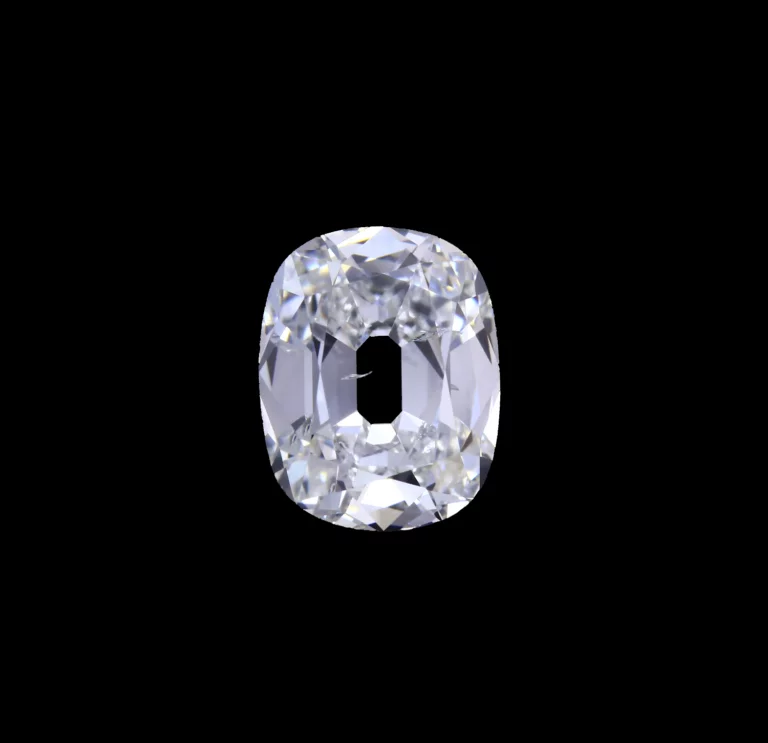
3.09 Ct. F SI2 Old Mine Cushion Brilliant
A 3.09 ct old mine cushion with a longer outline and 55.2% depth.