
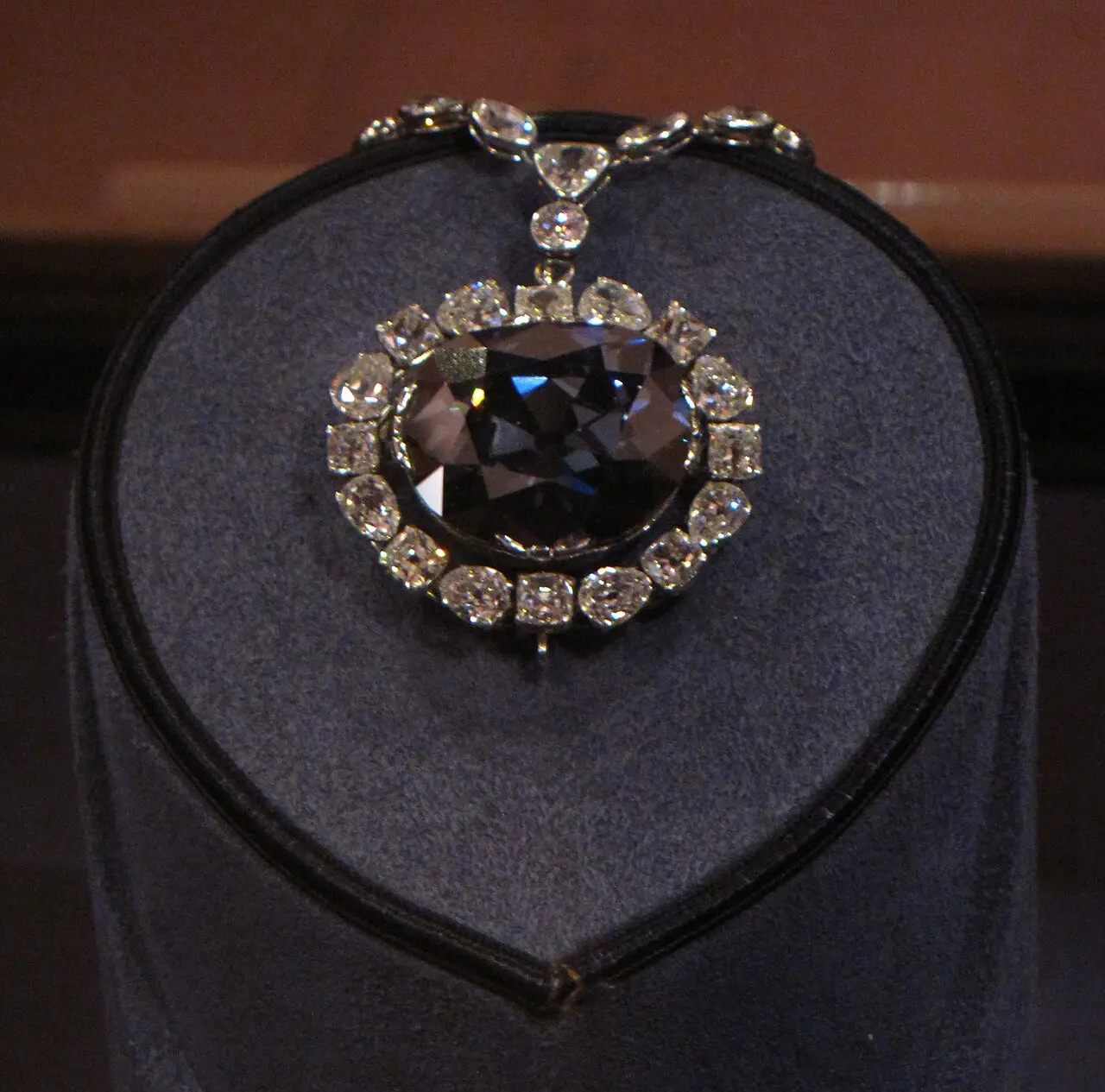
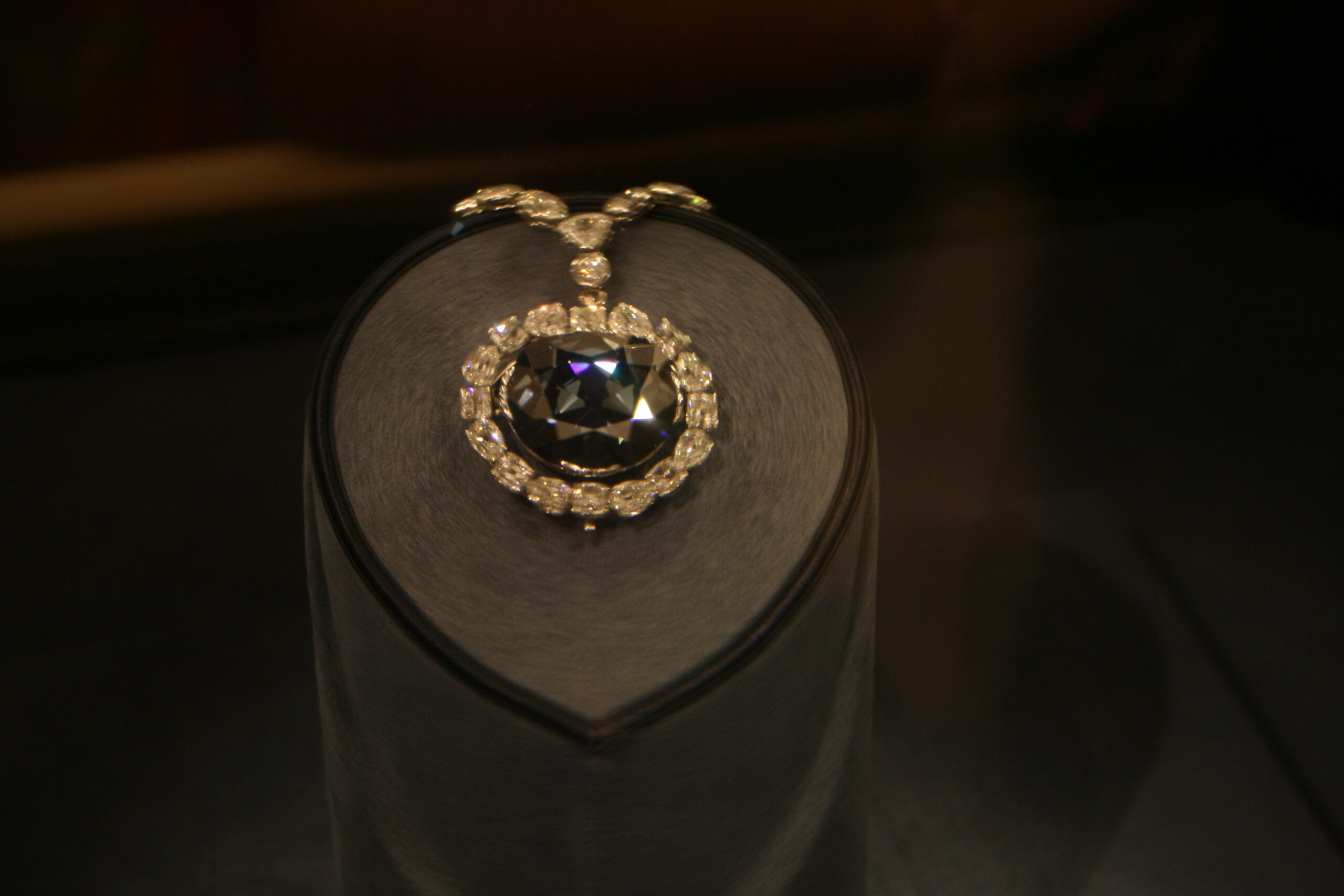
Long before the Hope Diamond became a 45.52 carat blue gem in the Smithsonian, it was a larger stone in the hands of Jean-Baptiste Tavernier. Louis XIV had it recut. The French Revolution swallowed it. A smaller blue diamond surfaced in London two decades later and eventually acquired the Hope name. One question reaches further back than those events: did Tavernier find it in the Golconda region? The Smithsonian regards Kollur as a likely mine, while making clear that Tavernier left no account of the acquisition.
The first secure stop is Louis XIV
In December 1668 Tavernier brought diamonds from India to Louis XIV. The following February, the king bought the group, including a large blue stone estimated by the Smithsonian at about 115 modern metric carats. Tavernier had travelled widely and wrote about Indian diamond mines, but his published account does not describe this particular acquisition. Kollur is often named because it produced large and coloured diamonds; several Indian mines were active in his time. The Smithsonian regards Indian origin as secure in the context of seventeenth-century commercial supply, while the precise mine remains an inference.
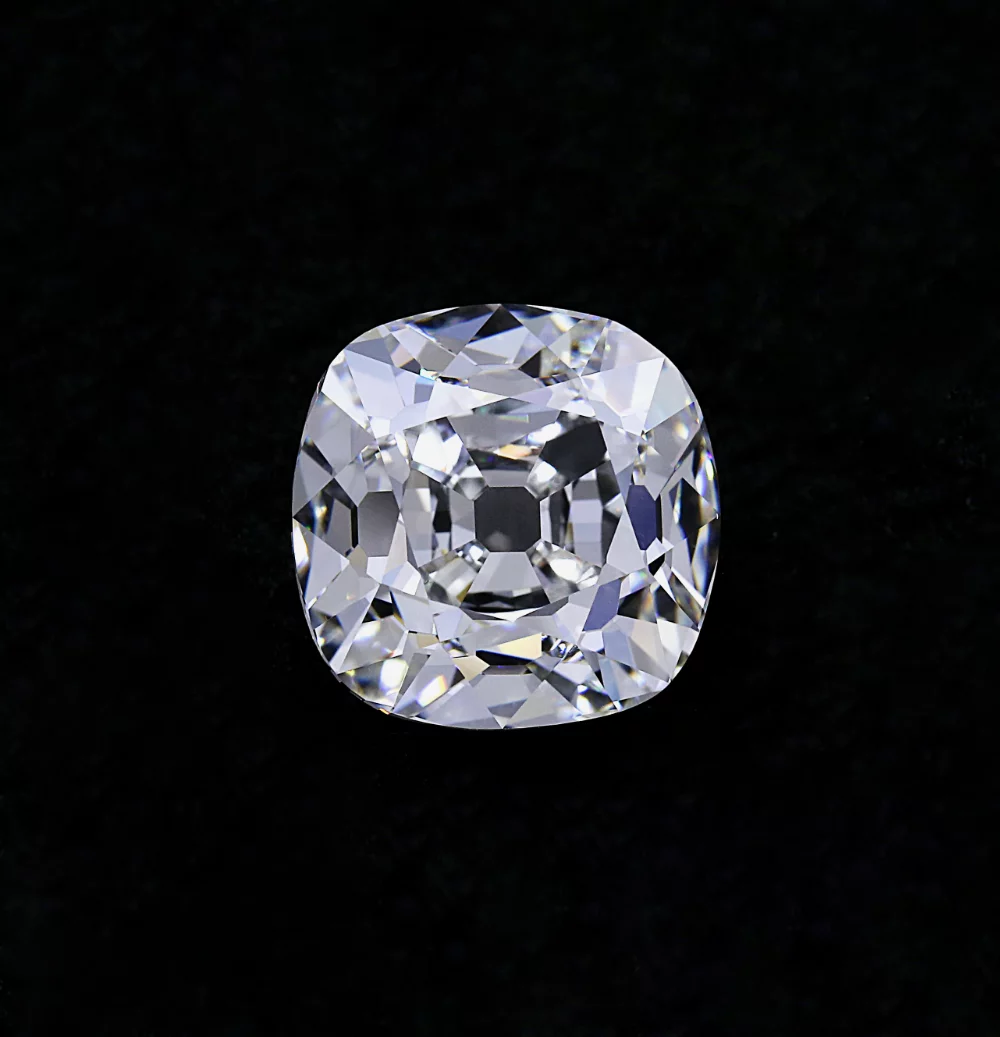
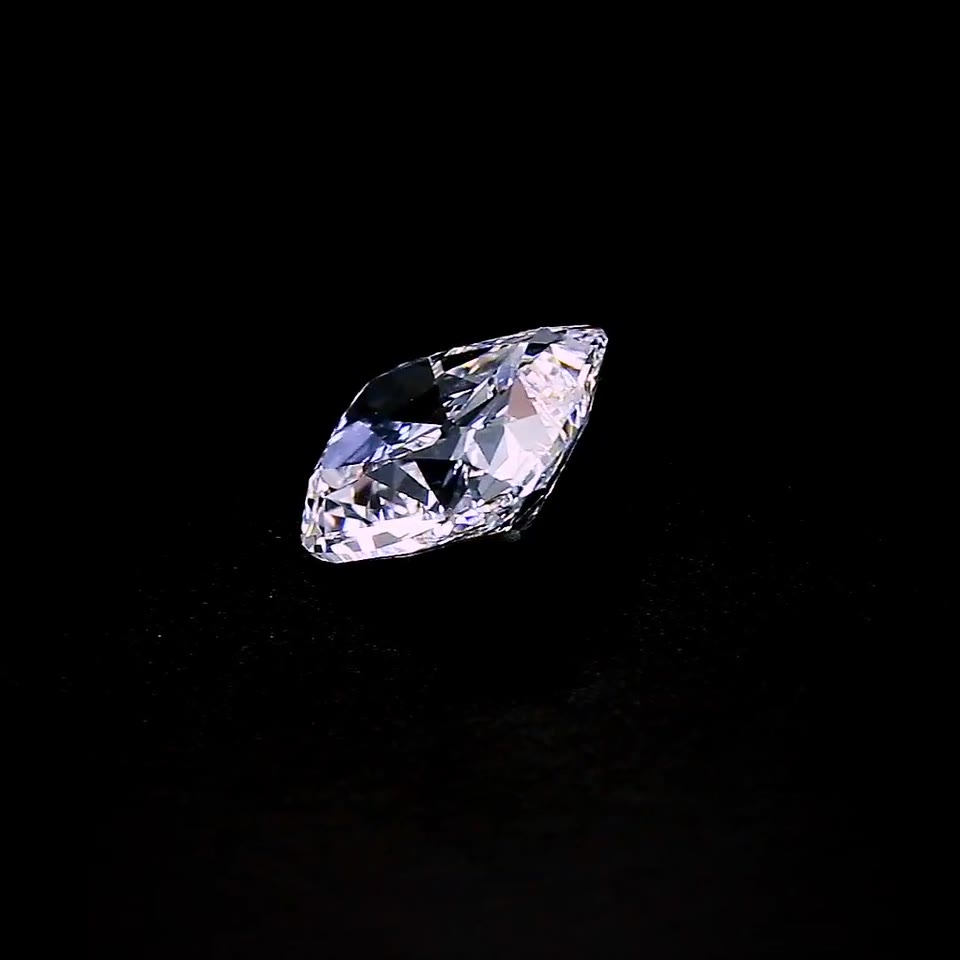
The first cutting followed the rough more closely than a modern buyer might expect. The stone was asymmetric and somewhat triangular. Imagine it before the royal recut: a large, darkly saturated blue form whose polished natural faces followed the crystal. The Smithsonian does not identify its first cutter. What survives is the scale of the material Tavernier brought to France and a shape quite unlike the pendant now familiar to museum visitors.
A new cut for a French king
Louis XIV ordered the blue stone recut under the supervision of court jeweller Jean Pittan the Younger. About two years later it weighed approximately 69 carats and had become the French Blue. The reduction was enormous, but the new cut answered a different taste: a deliberately composed face with stronger symmetry and brilliance. The Smithsonian describes a heart-shaped stone whose central pavilion facets could show a golden star when it was mounted over gold. A royal inventory records the French Blue in 1691; by the mid-eighteenth century it had been incorporated into an emblem of the Order of the Golden Fleece.
The recut surrendered about forty-six carats from the earlier weight estimate. It also changed what the eye could see. A model of the French Blue's pavilion suggests that, mounted on gold, it displayed a golden form through the blue face. That would have been a deliberate visual effect, fitted to the court of the Sun King. The historic stone was already being interpreted through its cutting and mounting, centuries before it became the Hope.
The theft and a new blue diamond in London
During the French Revolution, thieves entered the Garde-Meuble where the Crown Jewels were kept. The French Blue vanished in September 1792. In London in 1812, jeweller John Francillon drew and described a smaller deep-blue diamond held by Daniel Eliason. The memo did not identify it as the stolen royal stone. Its timing has provoked speculation, but the document proves an observation, not the motives of whoever recut or concealed the gem.
A lead cast of the French Blue was found in Paris in 2007. Researchers laser-scanned the cast and modelled the larger stone against the 45.52 carat Hope. Their work supports the long-suspected recut connection: the Hope fits within the earlier diamond. The cast is an extraordinary survivor because cutting normally erases the form that came before. The years between the theft and the London drawing still hold their secrets, but the old shape can now be examined rather than merely imagined.
How the Hope name entered the record
An 1839 catalogue of banker Henry Philip Hope's collection lists a large blue diamond at 45.5 carats. That record gives the gem its enduring name, though it does not state when or where Hope obtained it. The diamond later passed through private hands and jewellery dealers. Stories of a curse grew around those changes of ownership; the Smithsonian traces how sellers and writers amplified the tale. The curse is a chapter in the diamond's publicity, not evidence of its geological origin.
Harry Winston acquired the stone with Evalyn Walsh McLean's jewellery collection in 1949. He displayed it in the travelling Court of Jewels and donated it to the Smithsonian in 1958. The museum records that it arrived by registered mail in a plain brown package. Once the deep-blue face is out of its case, a less familiar colour appears: after ultraviolet exposure, the diamond gives off a lingering red glow. Smithsonian researchers measured that phosphorescence in the Hope and other blue diamonds, finding individual patterns that help distinguish one stone from another.
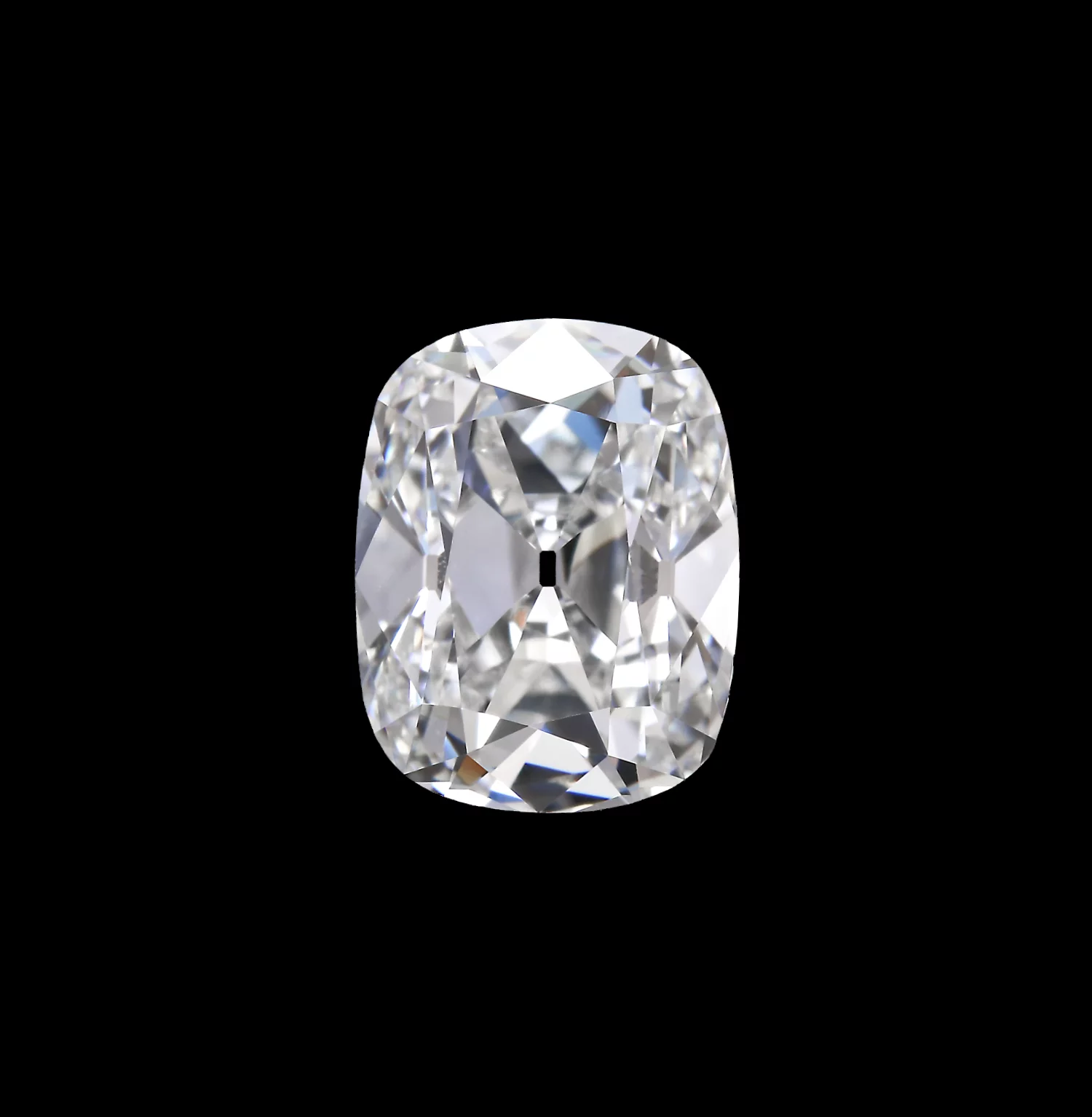
The name of the mine
The red glow helps identify the Hope as an individual diamond; it cannot identify the ground from which it came. GIA's origin research explains why a polished diamond's chemistry does not reliably point to one mine. The Smithsonian calls Kollur a likely source because of its large coloured stones and Tavernier's time in India, but it marks the mine attribution as circumstantial. That is the most precise answer to the Golconda question. The story beyond the mine is unusually rich, from the French Blue's golden mounting to the unassuming package that delivered the Hope to Washington.
For the wider Indian mining history and other famous stones, read The Prestige of Golconda Diamonds. The Hope is a particularly vivid reminder that cutting, setting and ownership can change a diamond's public identity many times while its earliest journey remains only partly visible.
Further reading
Smithsonian, History of the Hope Diamond; GIA, The French Blue and the Hope; Smithsonian, research on the Hope's red glow; GIA, diamond origin research.

.jpg)