Prepared by the Imperial Cushions editorial team. Laboratory terminology is retained where a report is cited; historical context and dealer judgment are identified as interpretation.
Type IIa describes a diamond’s crystal chemistry. Laboratories use infrared spectroscopy to classify nitrogen and boron impurities; in Type IIa diamonds, the absorption features used to identify those impurities fall below detection.
Read the type letter with the grading report
The type letter records the crystal classification. The grading report documents characteristics such as colour, clarity and measurements, with natural origin and treatment assessed through laboratory testing. Match the documents to the same stone and report reference.
Bring the stone into the comparison
Look at transparency, face-up colour and the way the facets exchange light during movement. If you are researching ownership or geographic history, build a separate file of dated, traceable records.
GIA’s diamond-type research explains the spectroscopy. Request the available type documentation when comparing Type IIa diamonds.
Historic Indian origin is a separate question. Read our illustrated account of Golconda diamonds and their provenance for the mining and trading history, coloured examples and ownership records behind the name.
See the details in a stone
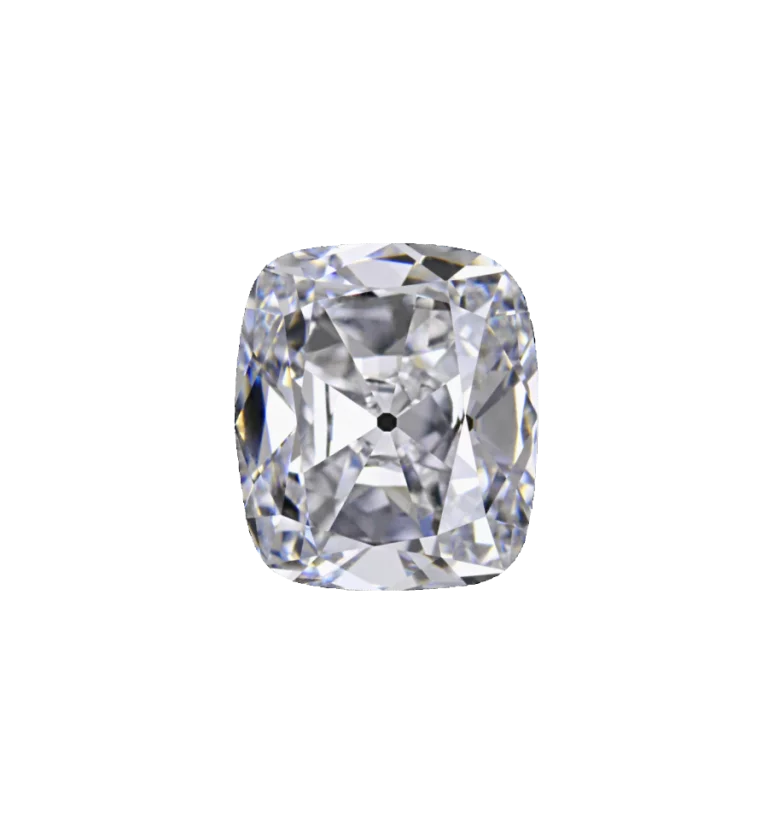
7.51 Ct. D IF Cushion Brilliant Type IIa
A 7.51 ct D IF cushion with diamond-type documentation.
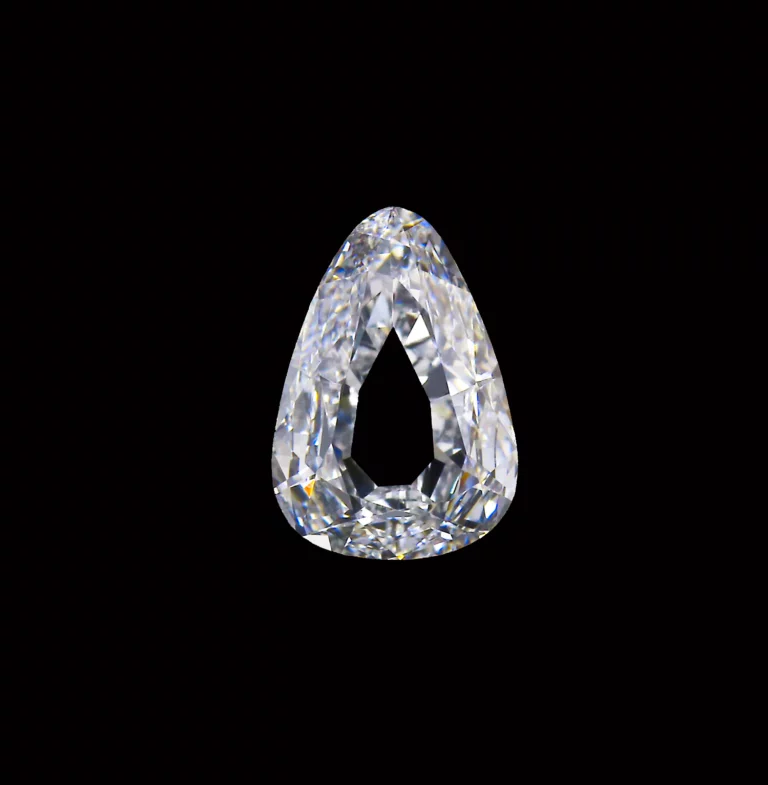
3.04 Ct. D IF Old Cut Pear Type IIa
A 3.04 ct D IF pear with a different outline and diamond-type documentation.