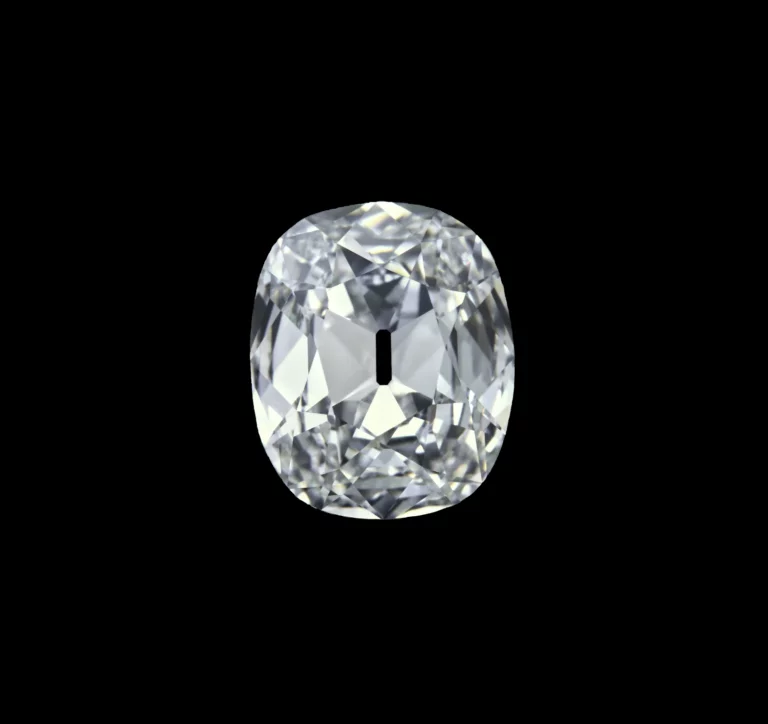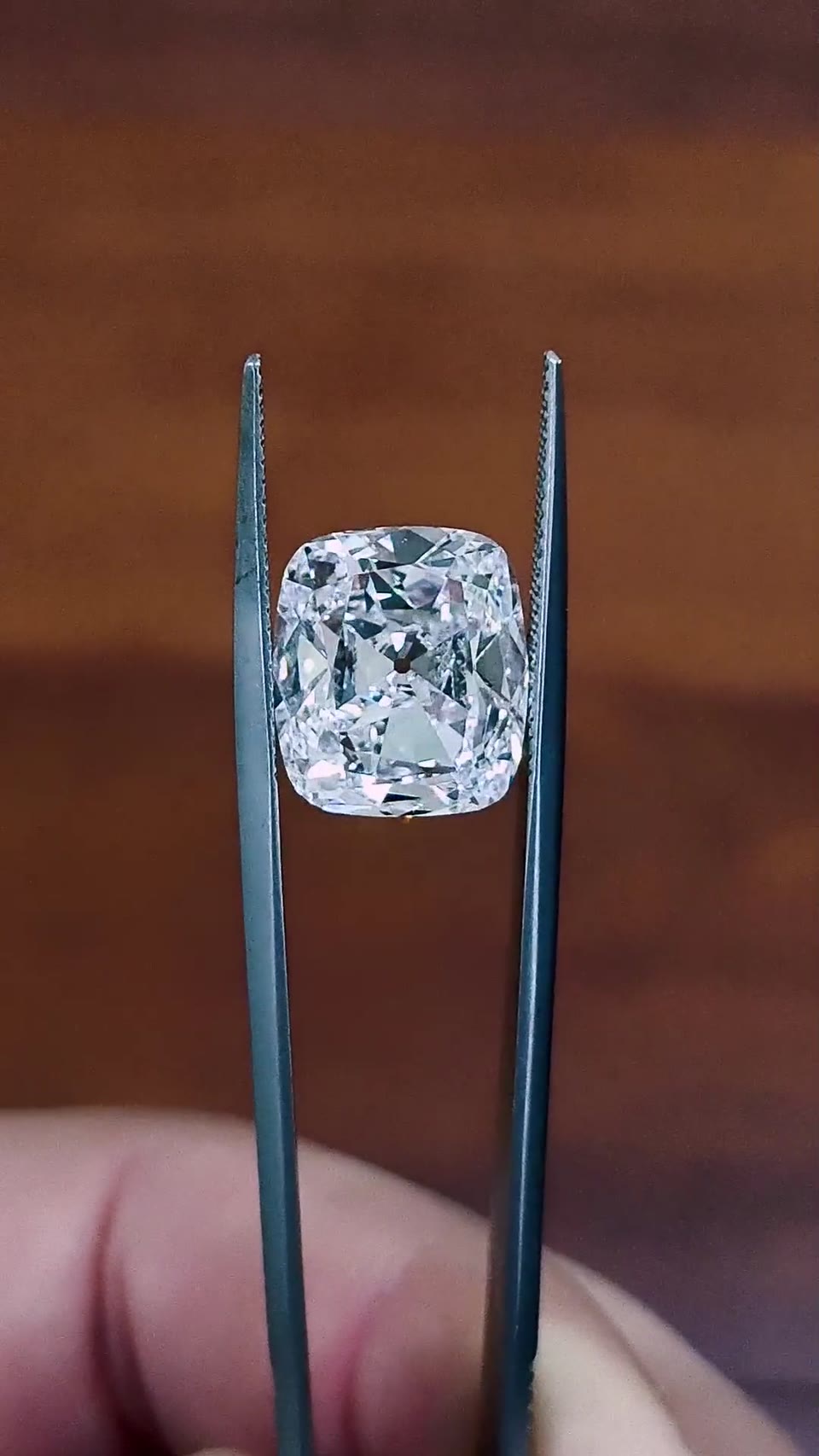
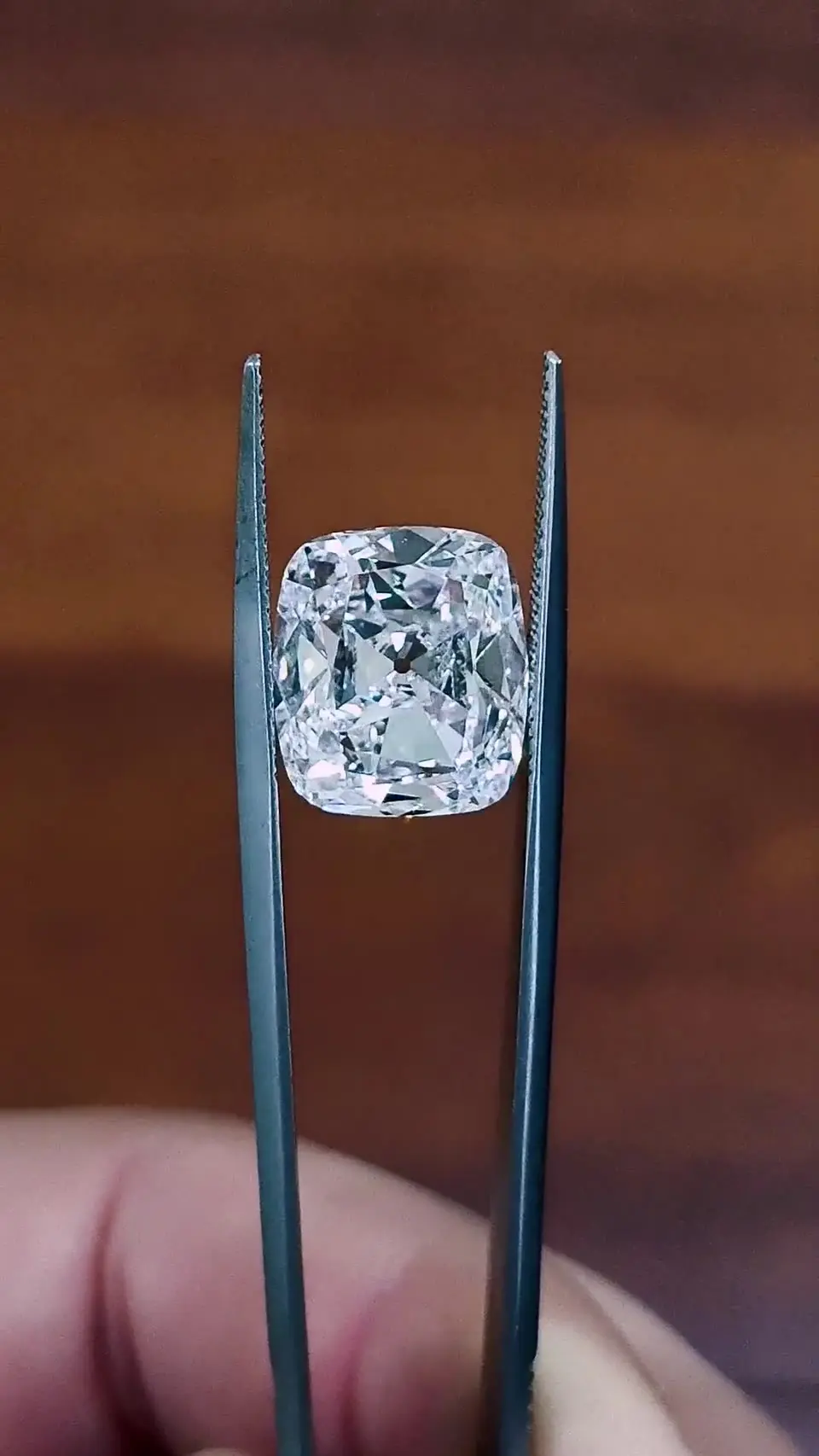
A D colour grade and an Internally Flawless clarity grade answer two visible-quality questions. Neither is a Type IIa test. D is the colourless end of GIA's D-to-Z grading scale. IF means a skilled grader sees no inclusions at 10× magnification, though blemishes may be present. Type IIa describes the absence of nitrogen- and boron-related infrared absorption at the relevant detection threshold. These observations can occur together, but one does not prove another.
Three questions, three kinds of evidence
Colour grading compares a diamond's body colour with controlled master stones. Clarity grading examines internal and surface characteristics under magnification. Diamond type is determined by the properties of the crystal lattice, commonly studied with infrared spectroscopy. GIA explains the colour scale, the IF clarity definition, and the type classification separately. Reading them as separate entries prevents a beautiful stone from acquiring a laboratory claim it has never been tested for.
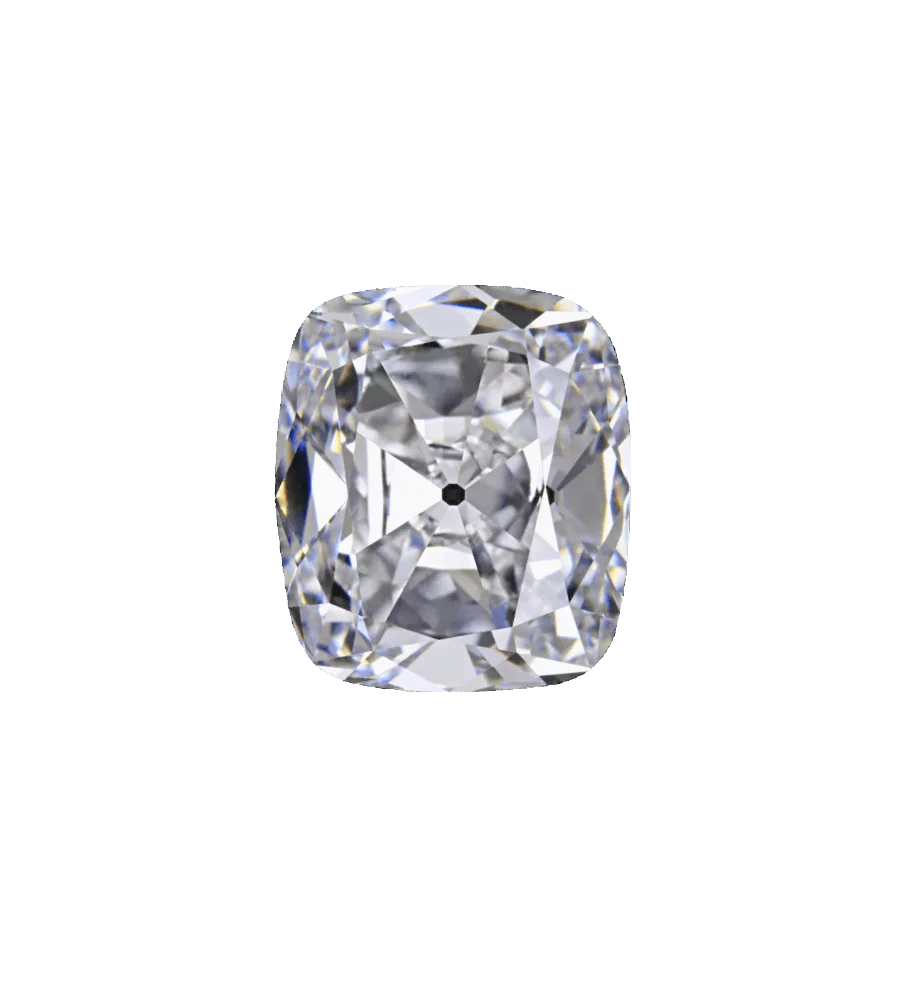
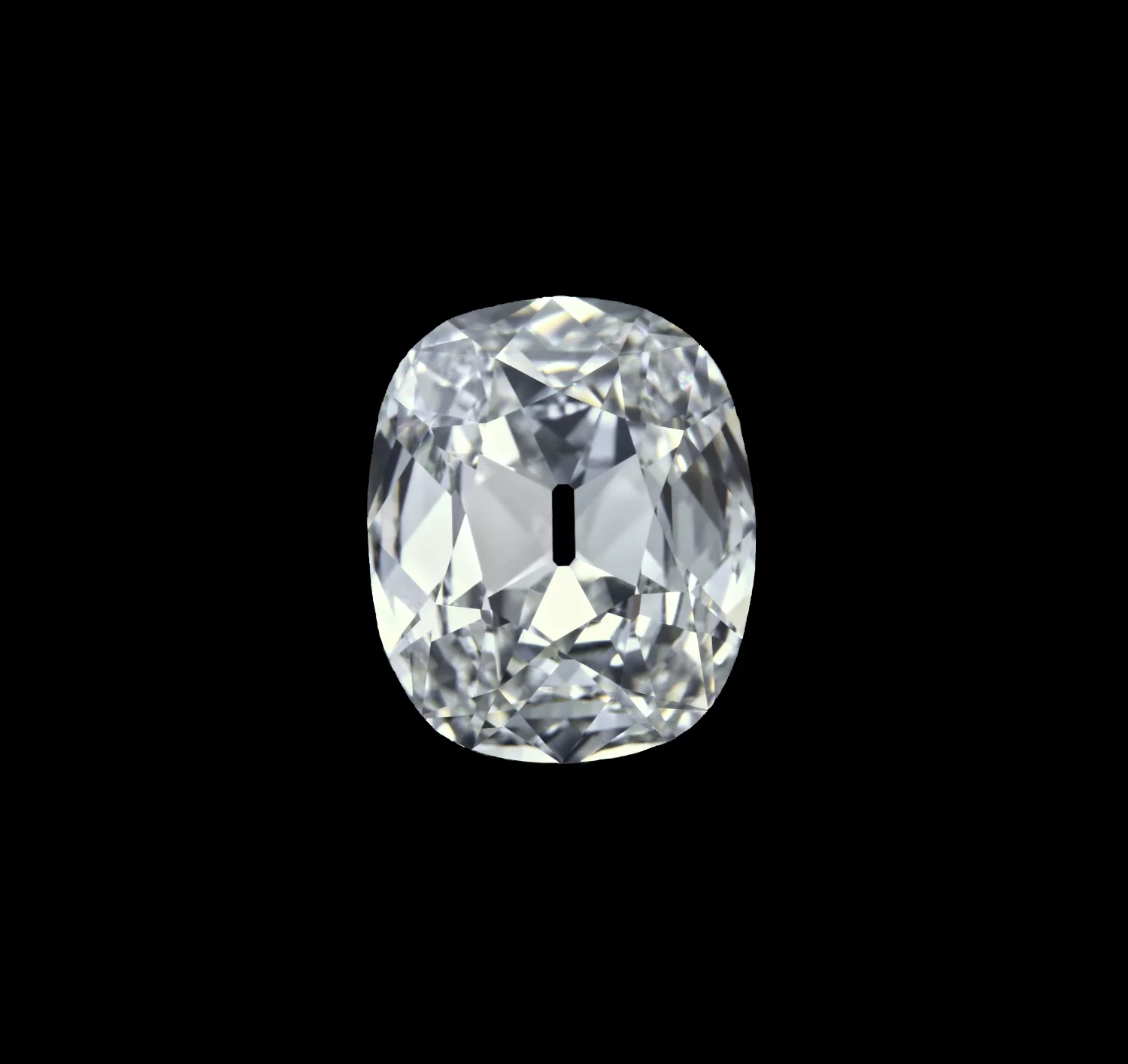
The 7.51 ct D IF Cushion Brilliant, IC-01706, illustrates a stone for which the three descriptions appear together in the Imperial stone record. Its D grade refers to colour, IF to inclusions and blemishes under 10×, and Type IIa to the laboratory classification. A different D IF diamond could have another type. Conversely, a Type IIa diamond can receive a colour grade below D or a clarity grade below IF, because lattice impurities, body colour and visible inclusions are assessed in different ways.
Why the association feels persuasive
Some large, high-purity natural diamonds are exceptionally colourless and inclusion-poor. GIA research describes a family of such stones associated with Type IIa, including the historic Cullinan. Association is useful for research, but it is a weak way to identify an individual diamond. GIA's large study of D-to-Z stones found that the broad natural population is dominated by Type Ia diamonds. A buyer looking at an apparently colourless stone cannot determine its type from colour grade alone.
IF is also a statement about what is visible under a defined examination, not about atomic purity. A diamond can have very little detectable nitrogen and still show a crystal inclusion, fracture or other feature that affects its clarity grade. An IF diamond can contain nitrogen in a form that places it in Type I. This is why the lab does not infer type from a clarity plot, and why a seller should supply a separate type result when Type IIa is part of the description.
A useful counterexample: F IF and Type IIa
Imperial's 9.04 ct F IF Old Mine Cushion, IC-05729, has GIA report 1236032670 dated 13 September 2023. Its checked GIA type letter supports Type IIa. The colour grade is F, two letters away from D, and the clarity grade is IF. That single documented example rules out the proposed rule that Type IIa must mean D colour. It also shows why the F grade should be stated exactly rather than softened into an invented D description.
Check natural origin, treatment and geographic claims
A Type IIa result by itself does not establish whether a diamond is natural or laboratory-grown. Some laboratory-grown diamonds are Type IIa, and natural Type IIa diamonds may require further testing for treatment history. GIA's D-to-Z research explains that an infrared spectrum can determine type while leaving colour origin unresolved. Ask the laboratory document to address natural or laboratory-grown identity and any detectable treatment separately from the type label.
Geographic origin needs another kind of evidence again. Type IIa is associated in popular writing with historic Golconda diamonds, but the classification does not locate an individual stone in India. Read Imperial's Golconda article for the documentary standard. For a diamond offered today, the practical request is the grading report, the explicit type letter, matching stone identifiers and whatever independent origin records actually exist.
A clear sales description can state each result in the wording of its source: GIA D colour, GIA IF clarity, and a Type IIa classification on an identified laboratory letter. It should also give the report and letter dates, since those records describe the stone at the time of examination. If a listing displays only the 4Cs, request the type document before treating Type IIa as established. If it displays a type letter without a matching report number or identifying measurements, ask the seller to reconcile the records before comparing the stone with another diamond.