
An antique jewel can be beautiful for several different reasons: the materials, the way the stones were cut, the handwork in the mounting, and the evidence of a life before yours. Those qualities do not always survive together. A nineteenth-century ring can hold a replacement stone; an old stone can sit in a recent mounting. Begin with the object in front of you, then ask which parts of its history can actually be documented.
Identify the stones before telling the story
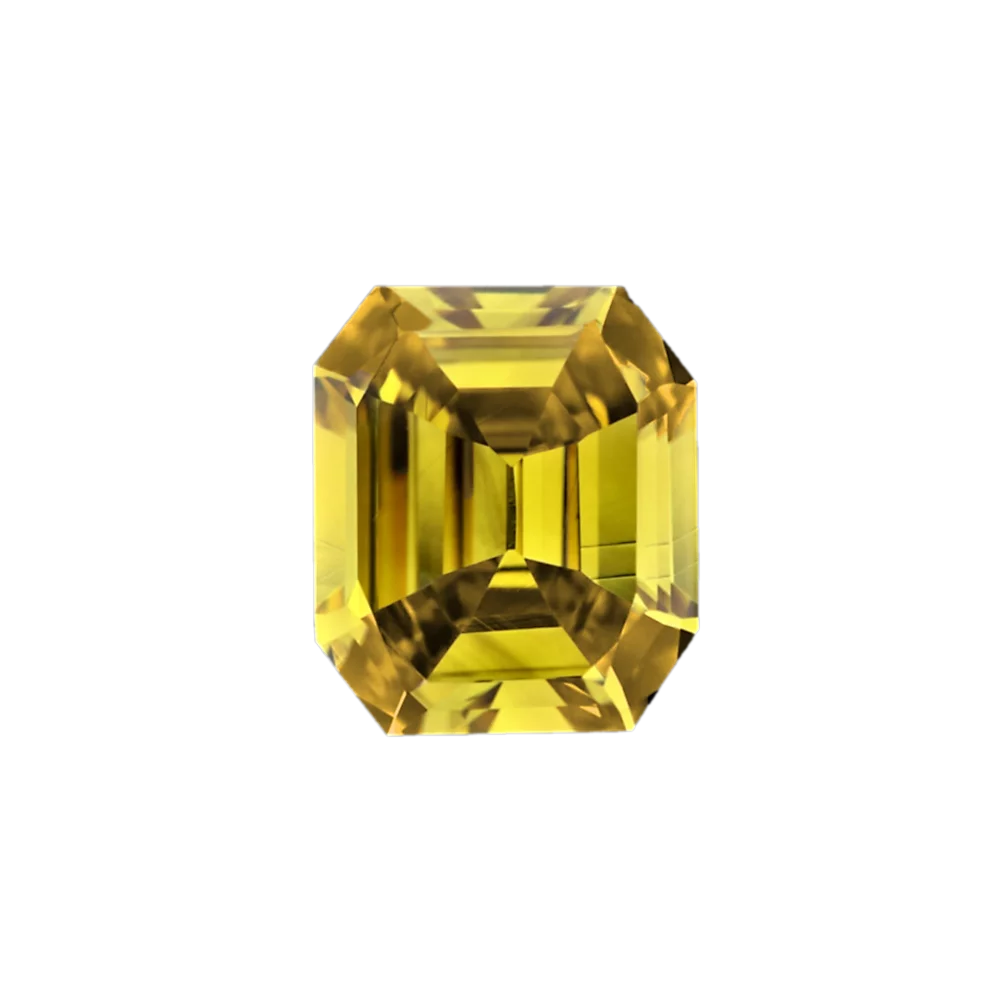
One ring may contain natural gems, early synthetic stones, later replacements, or simulants. Colour, apparent age, and a convincing setting cannot settle those questions by sight. Ask what has been tested, who performed the testing, and whether the result covers every important stone. If a coloured gem matters to the purchase, an independent identification report can establish the material and list detectable treatments. GIA's coloured-stone service describes what its identification and origin reports actually cover.
Origin reports answer a narrower question. GIA offers geographic-origin opinions only for specified coloured-gem materials, and the determination is an expert opinion based on available evidence. A stone's geographic origin does not date the mounting or establish its chain of ownership. If a seller uses a place name as part of a jewel's story, ask whether that name comes from a laboratory report, a document, or tradition passed between owners.
Read the construction from every angle
The back of a jewel can reveal as much as the front. Look at the underside of the setting, the joins, the openings behind stones, the hinges and clasps, the shank and any engraved surface. A newly polished front may hide a thin back rail or an old solder joint. Ask a specialist to distinguish normal signs of making and repair from damage that needs attention before wear. A mark or hallmark should be read in context with construction, not treated as a date by itself.
Photograph the front, back, sides, hallmarks, damaged areas and stone seats before cleaning, sizing or repair. Those images give the owner and workshop a shared record of the condition received. They also make alterations easier to explain later. If the jewel is complete and historically interesting, discuss whether the proposed work could remove original metal, engraving or evidence of earlier workmanship.
Separate the diamond from its mounting
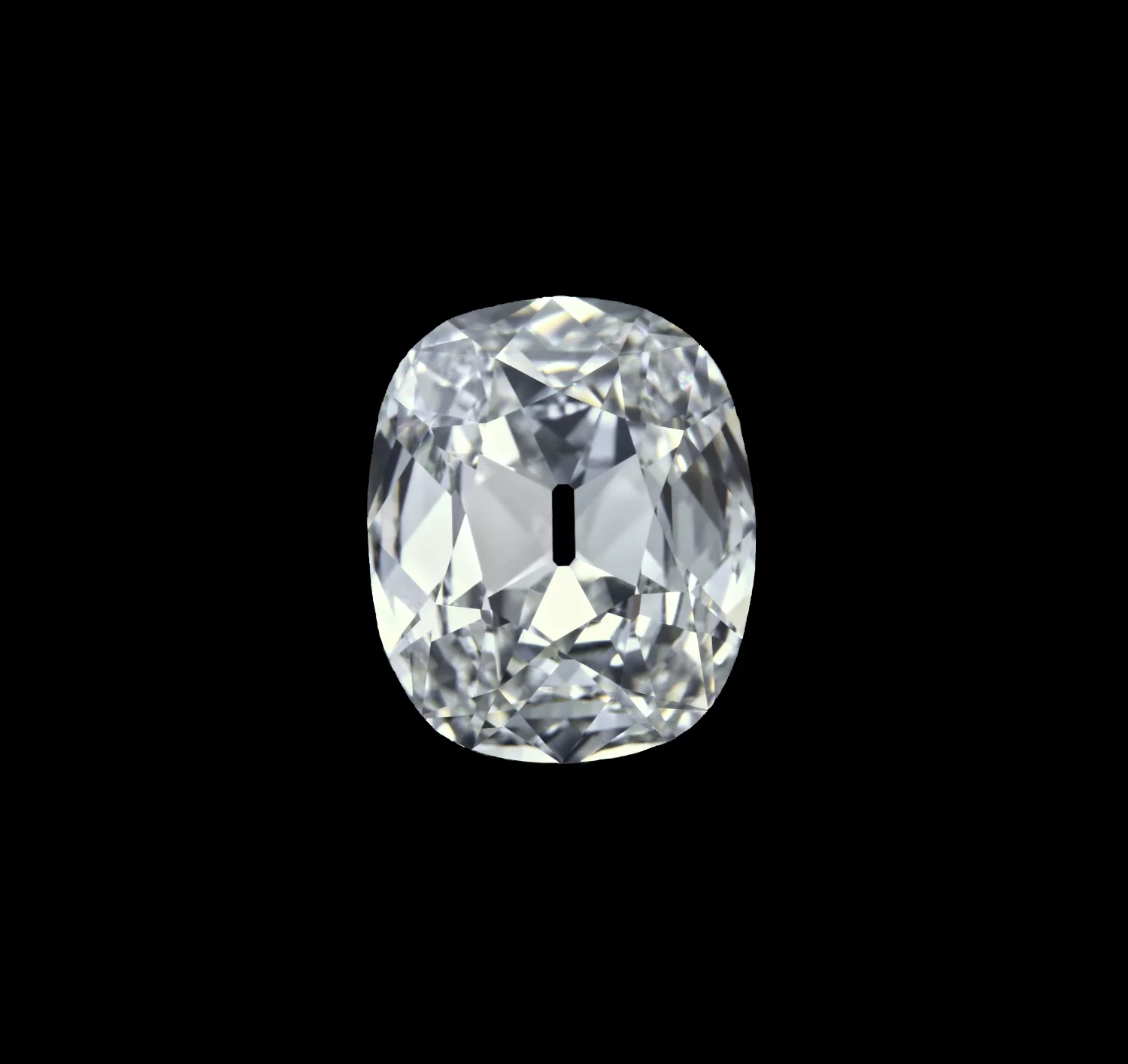
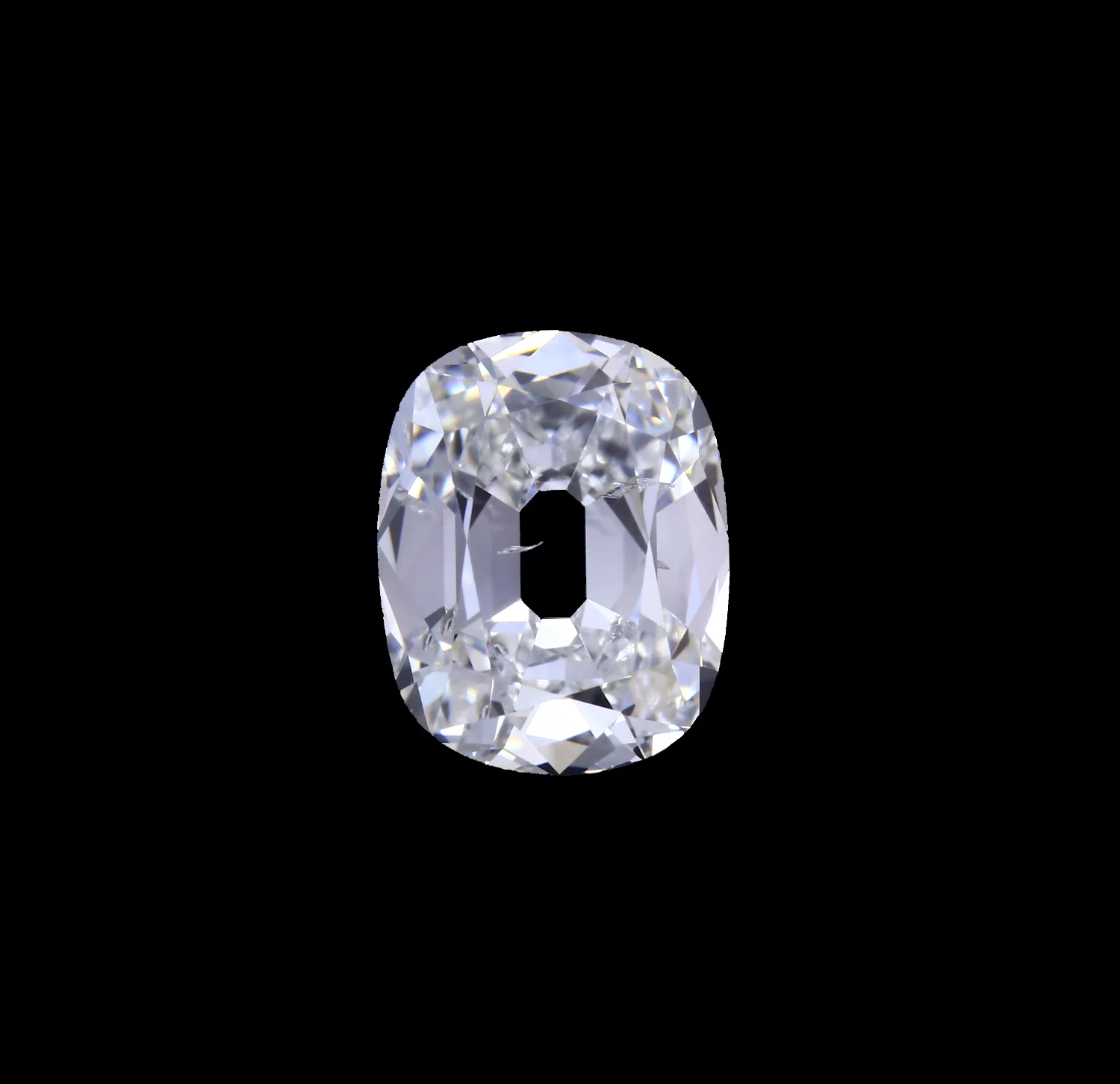
An antique-cut diamond needs its own examination. Compare its report with the actual stone, checking measurements, visible characteristics and cutting style. Then inspect the girdle, corners, surface-reaching features and old repairs under magnification. The antique diamond condition guide explains how to turn that inspection into practical setting questions. An old mine cutting style can be reproduced today, so a report entry describing shape and facets is not proof of cutting date.
Do not let a clarity grade do the work of a condition report. A diamond may have a pleasing face-up appearance yet still need a setter's attention at a thin corner. Conversely, a visible natural or irregular outline may be part of the original cutting and may present no immediate repair problem. Ask the examiner to identify the feature, its position, and the consequence for wear or setting, rather than using a general description such as "old condition."
Trace changes through documents
An invoice, dated photograph, workshop record, auction catalogue or family document can support a particular stage in a jewel's life. A signed piece still calls for scrutiny of the mark and construction. If a ring was resized, reset, converted from another jewel or given a later centre stone, put those changes in the written description. A clear account of alteration often makes the object more interesting, because it lets you see which parts survived and which were adapted.
Before committing, ask for a condition note that names the stones and describes any work needed for safe wear. Match that note to the invoice, laboratory paperwork and photographs. GIA's antique-ring buying guide recommends close attention to worn prongs, sizing and appraisal. The pleasure of an antique jewel grows when its charm and its evidence are both visible.
See the details in a stone
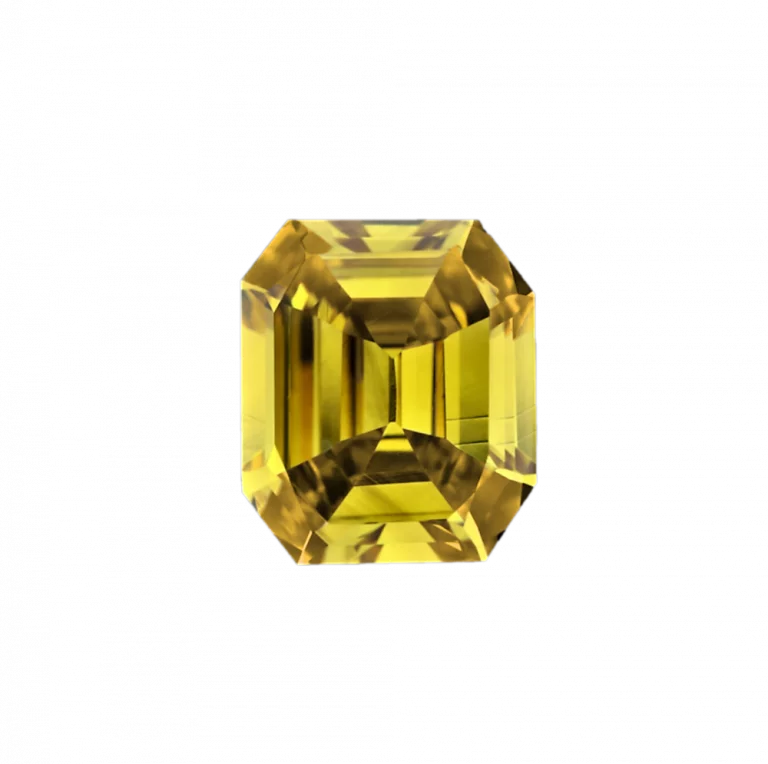
3.05 Ct. Fancy Deep Greenish Yellow VVS2 Old Emerald Cut Type Ib
A yellow step-cut diamond with long facet bands and a Gubelin report.
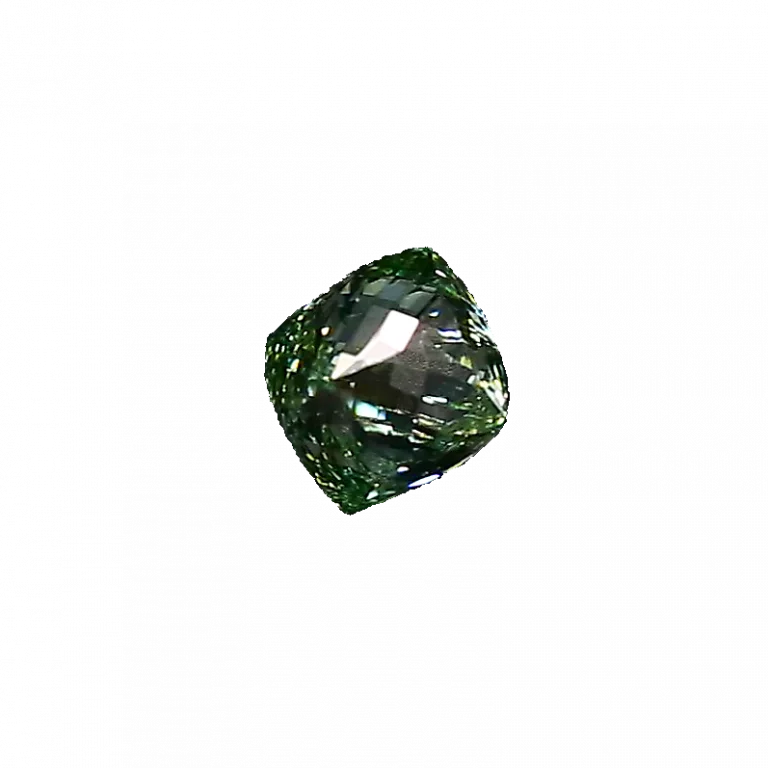
2.98 Ct. Fancy Intense Green SI1 Briolette
A green faceted briolette with a sculptural form.