Choosing an engagement diamond together gives you a memory before the ring is made. There is the first stone you both lean toward, the pause while it turns, and the one you ask to see again after the tray has been put away.
Old Mine Cuts make room for that kind of attention. Their cushion outlines vary from stone to stone, and different facets brighten as each diamond turns. One of you may love a softened square. The other may be drawn to a longer shape along the finger. You get to tell each other what you see.
The stone you return to
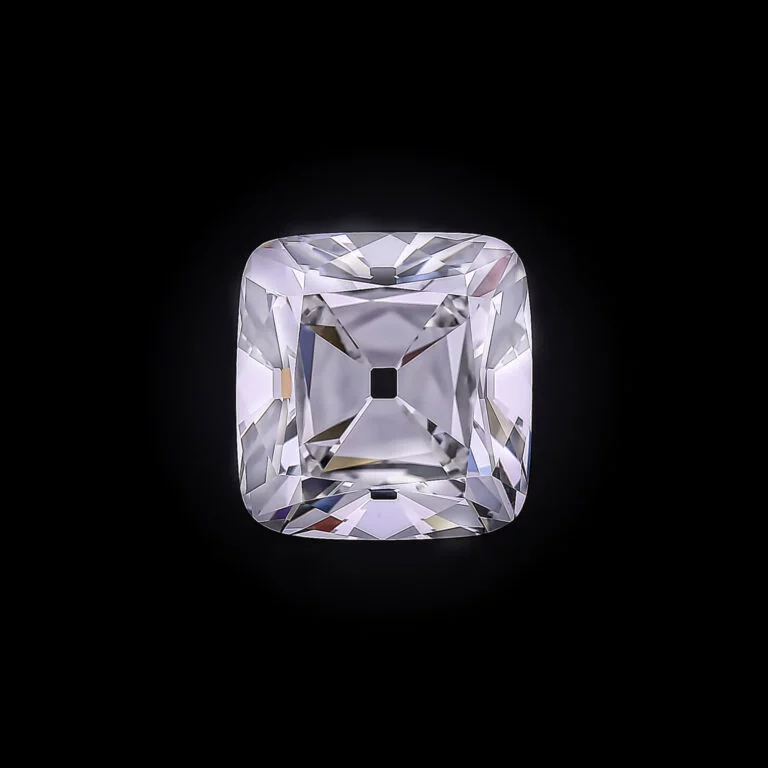
The 3.01 Ct. Old Mine Cushion has a nearly square outline and rounded corners. Against the dark, textured ground, you can follow the broad facets toward its small open culet. The photograph is a first introduction. If its shape stays with you after looking at others, ask to see it move and to see how it looks on a hand.
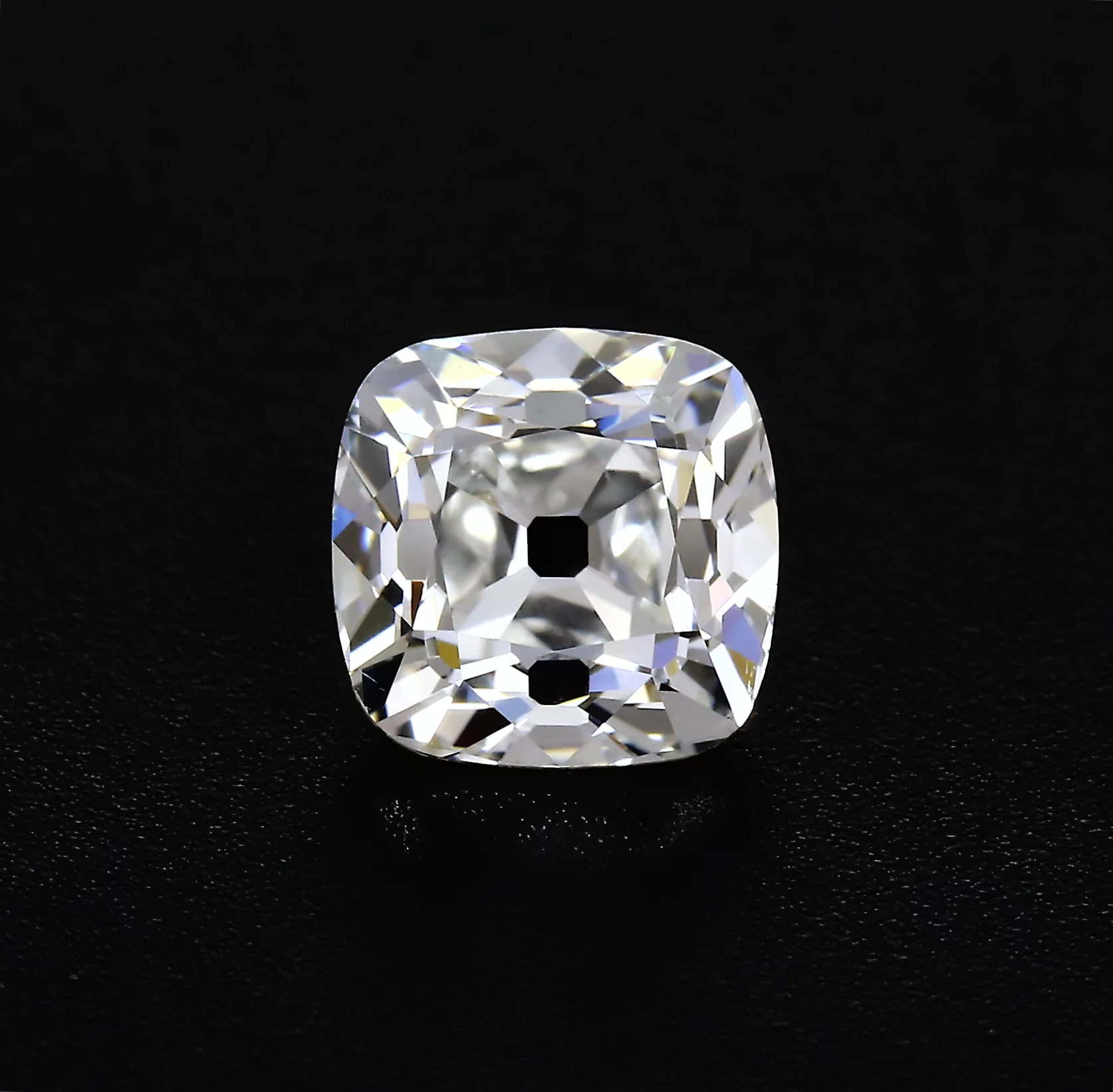
You might remember the outline, or one facet that brightened when the stone turned. Choosing together gives both people time to say why, without searching for a jeweller’s word for the feeling.
On a hand, in an ordinary day
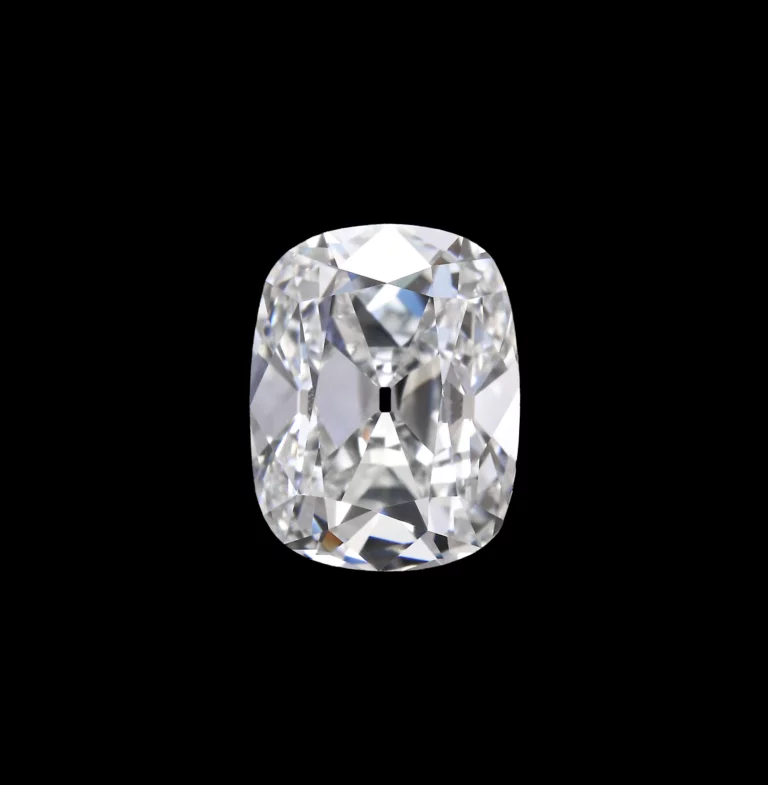
The 9.04 Ct. F IF Old Mine Cushion offers a different view. The loose diamond rests on a finger in the photograph below. In the accompanying video it turns from a face-up view toward its edge. You can see its scale against a hand and how its appearance changes with movement.
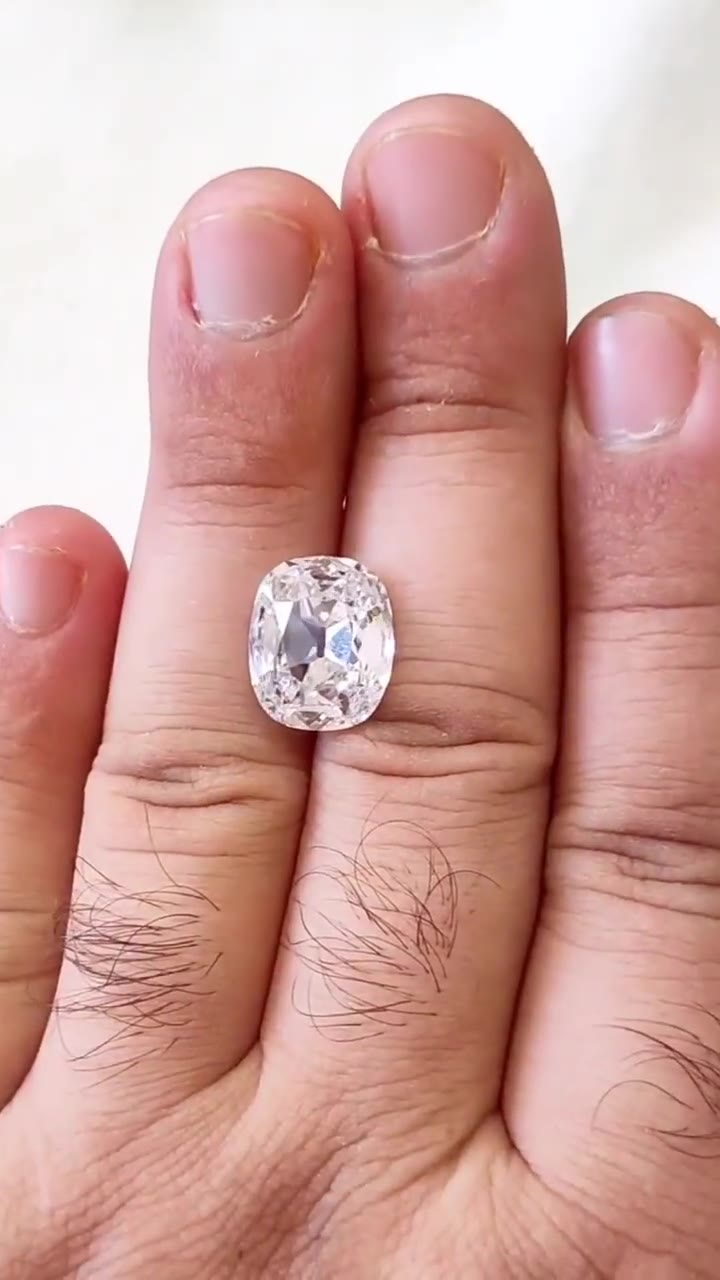
A ring will be there while its wearer fastens a coat, reaches across a table or turns a key at home. Ask what feels right on their hand, what they want to see when they look down, and how they want the diamond to sit. Those small preferences can guide the setting.
If you have two favourites, request a private presentation with current images and videos of each. See the stones loose and in motion together. Then choose the one you both want to look at again.