An antique jewel can carry three different histories: the geological history of its stones, the date and construction of its setting, and the ownership trail that brought the object to the present. Treating those as one claim creates avoidable mistakes. A sapphire may have been reset; an old mounting may contain a later replacement; a family description may preserve useful history without proving the gem's mine. Begin with what can be examined now, then ask which dated documents connect the object to a particular period or owner.
Identify the material before describing its age
A coloured stone's name, natural or laboratory-grown status, and treatments require gemological work. Older jewellery can contain natural gems, early synthetic gems, glass or later replacements. A mounting style can suggest a period, but the date of the metalwork does not date every stone it holds. Record the material, dimensions, shape, visible condition and mounting before writing a romantic description. For an important stone, seek a current laboratory report and make sure the report number and description match the object under consideration.
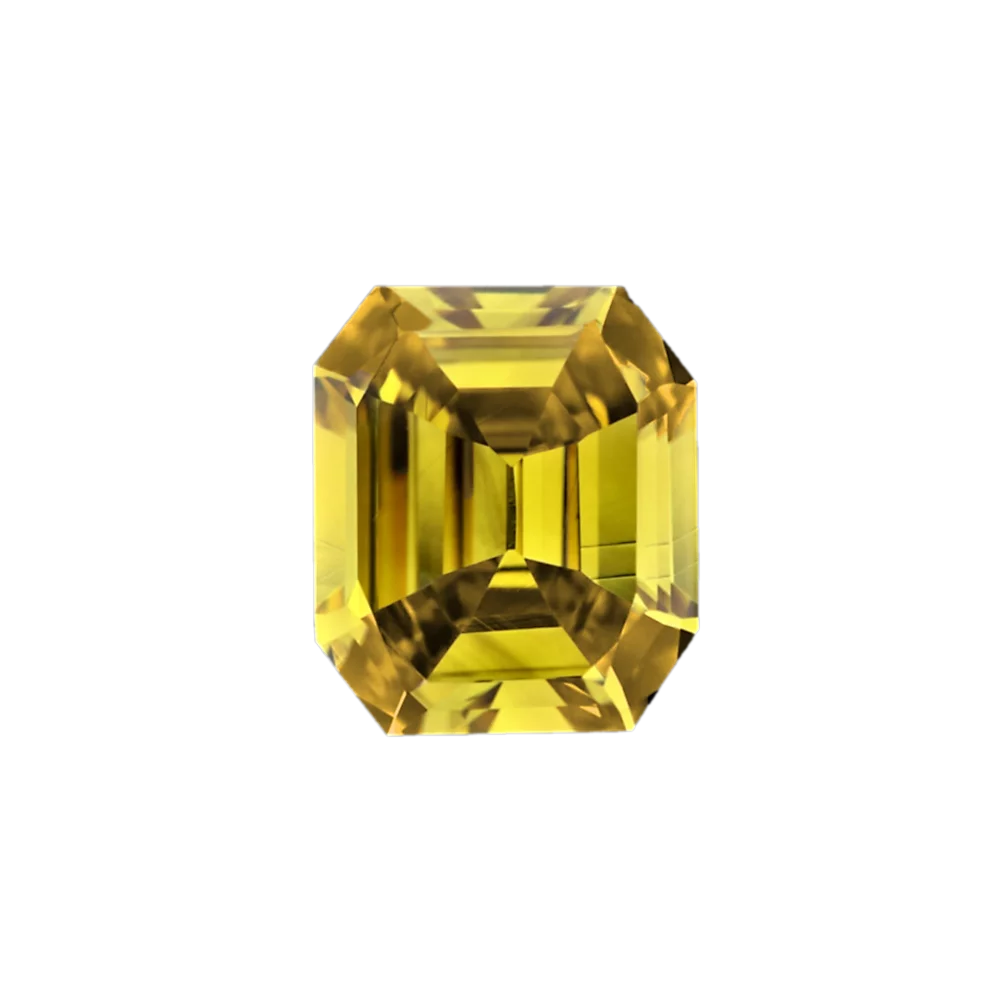
Imperial's 3.05 ct Fancy Deep Greenish Yellow VVS2 emerald cut, IC-00718, illustrates the discipline of keeping categories separate. Its documentation records a Gübelin report number and Type Ib classification. Those facts belong to this diamond; they do not turn it into an antique gemstone or establish the history of any setting pictured beside it. Ask the same precise questions of a ruby, sapphire, emerald or other gem: what has the laboratory identified, what treatments were detected, and what does the document leave open?
Treatment affects description and care
Heat, filling, oiling, dyeing, coating and diffusion can change a gem's appearance or care requirements. The applicable treatments depend on the gem species, so a generic promise of an untreated stone is inadequate. Ask for the exact laboratory wording and whether the examination could identify all relevant treatments. A surface-reaching fracture or a filled cavity may matter to both value and cleaning. Steam, ultrasonic vibration, solvents and heat are not interchangeable choices across diamond, emerald, pearl and opal.
GIA's gem treatment guide describes common treatment categories. In an antique object, the practical sequence is to inspect the stone and setting before cleaning, document old repairs, then agree on a care method suited to both. Metal prongs may be fragile even when the gem itself tolerates a cleaning method. Record the condition before any workshop intervention so that future owners can distinguish an old feature from a new repair.
Condition is visible, but it still needs interpretation
Examine a gem face-up and from the side in at least two lighting environments. Colour zoning, extinction, windowing and transparency can change with orientation. A closed back, foil or darkened metal may alter what the eye sees. Under magnification, note chips, abrasions, fractures reaching the surface, loose stones, old solder and altered prongs. Then ask which features affect appearance, which affect durability, and which are evidence of earlier work. An antique piece can be wearable after careful repair, but the repair should be planned around the materials actually present.
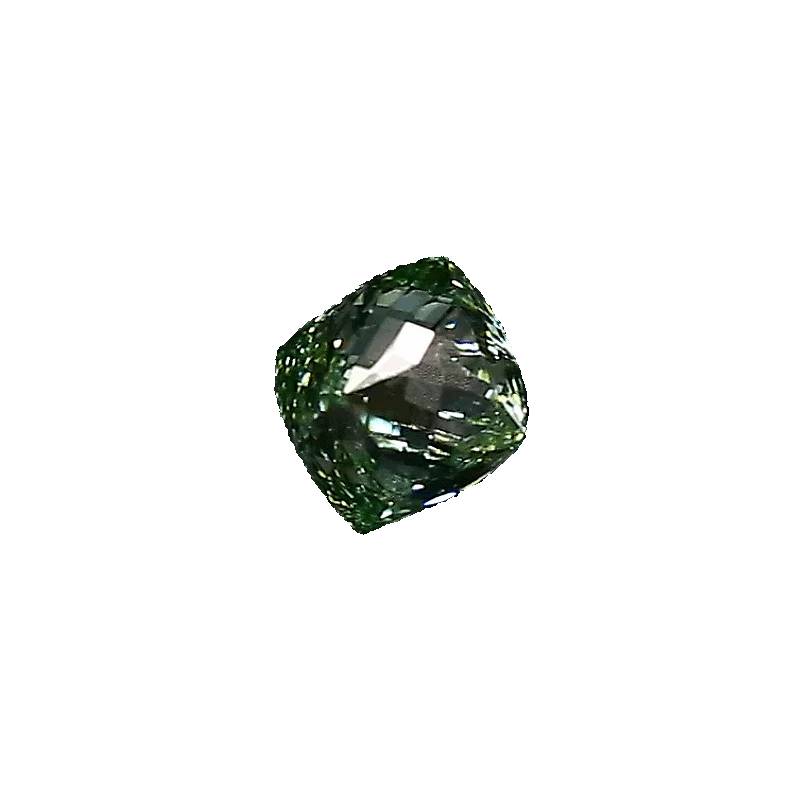
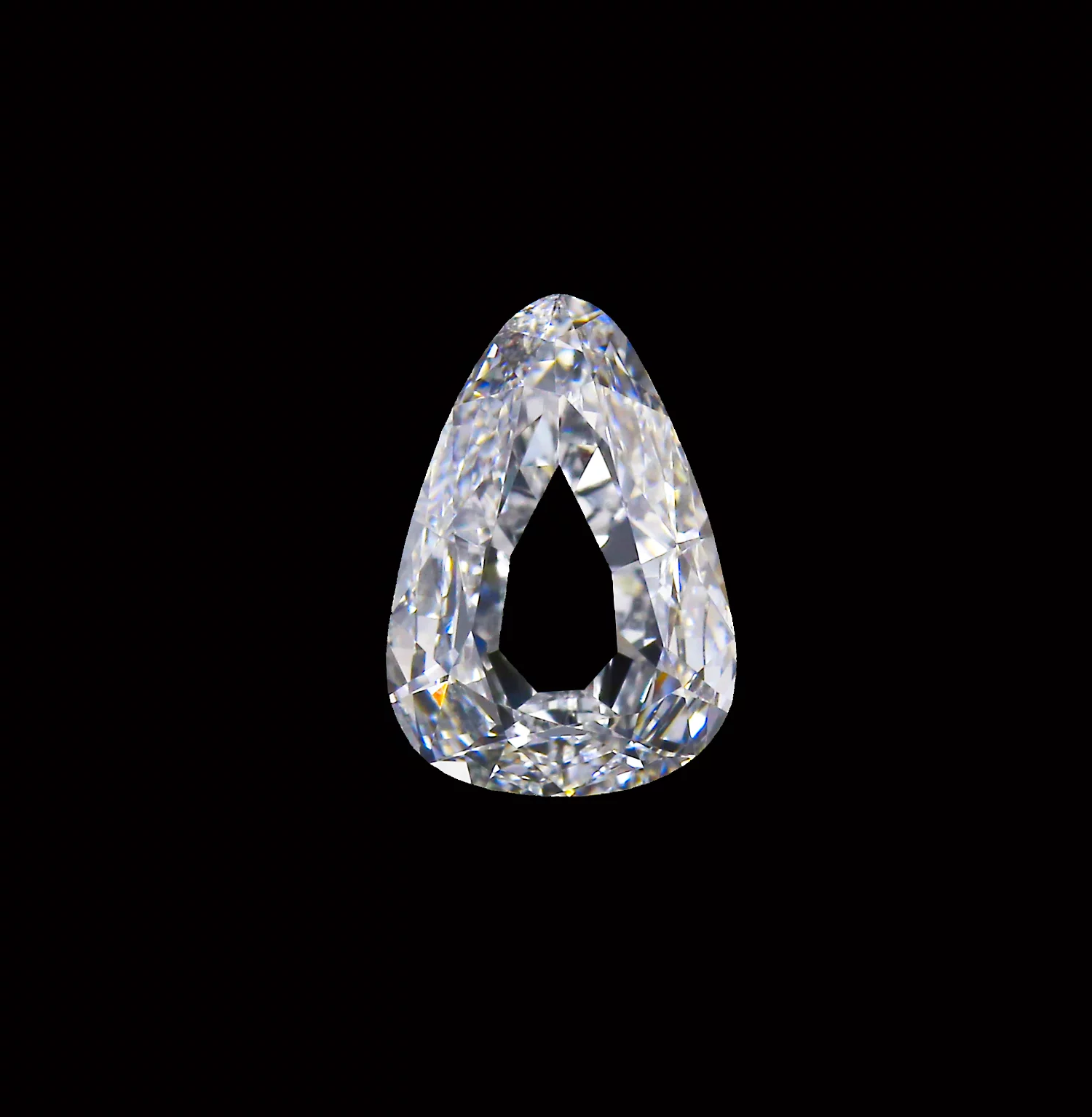
Do not assume a saturated photograph tells the whole story. A briolette, step cut and old mine cut move light in different ways; a still image fixes one moment. Imperial's green briolette above and the old-cut pear below offer two distinct shapes for visual study. Neither image is a laboratory determination of age, treatment or origin. The paperwork and examination must answer those questions individually.
Origin and provenance are different records
For eligible coloured stones, a laboratory can offer an opinion about geographic origin using inclusions, trace elements and comparisons with reference material. The opinion can be inconclusive. GIA's coloured-stone services distinguish identification and treatment findings from origin opinions, while its report guide shows how to read each field. A country named on a report concerns the gem's geological source, not the ownership history of a finished jewel.
Provenance requires a separate paper trail. Auction catalogues, dated photographs, invoices, wills, inventories and signed family records can support a sequence of custody. Check whether the dimensions, mounting and identifying details in an old document still match the present piece. If the chain has a gap, describe the supported portion and leave the rest open. A verbal attribution may be a lead for research, but it should not become a printed certainty merely because the style feels plausible.
Put useful facts on the invoice
A useful sales record identifies the gemstone and mounting, the laboratory and report number, detectable treatments, known repairs, any supported origin opinion, and the documents supplied with the jewel. It should also state the return terms and any condition matters discussed before purchase. Keep copies of the report and provenance documents with photographs of the object as received. Future examination becomes easier when the present owner can see exactly what was known at the time of sale.
See the details in a stone
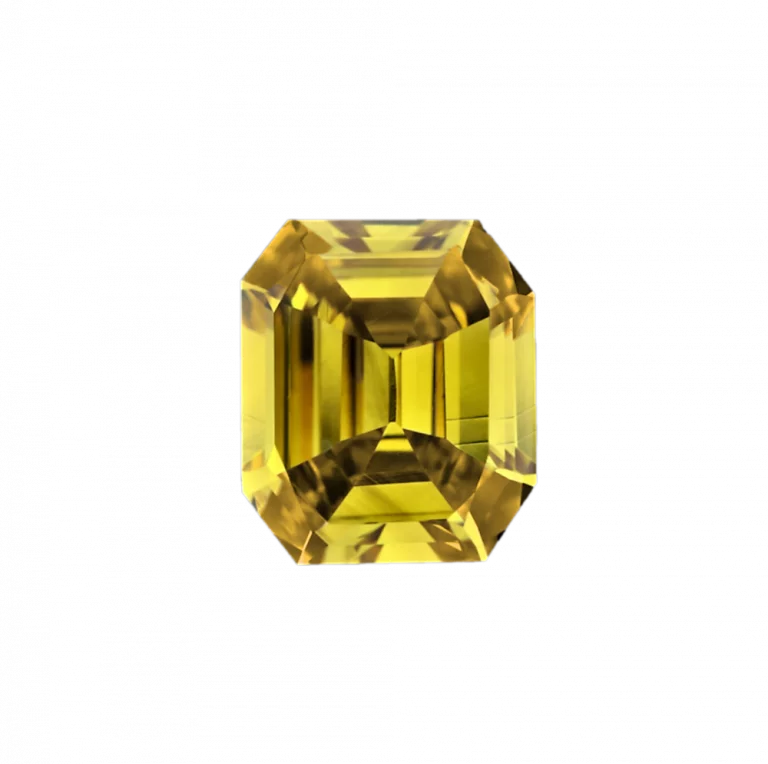
3.05 Ct. Fancy Deep Greenish Yellow VVS2 Old Emerald Cut Type Ib
A yellow step-cut diamond with long facet bands and a Gubelin report.
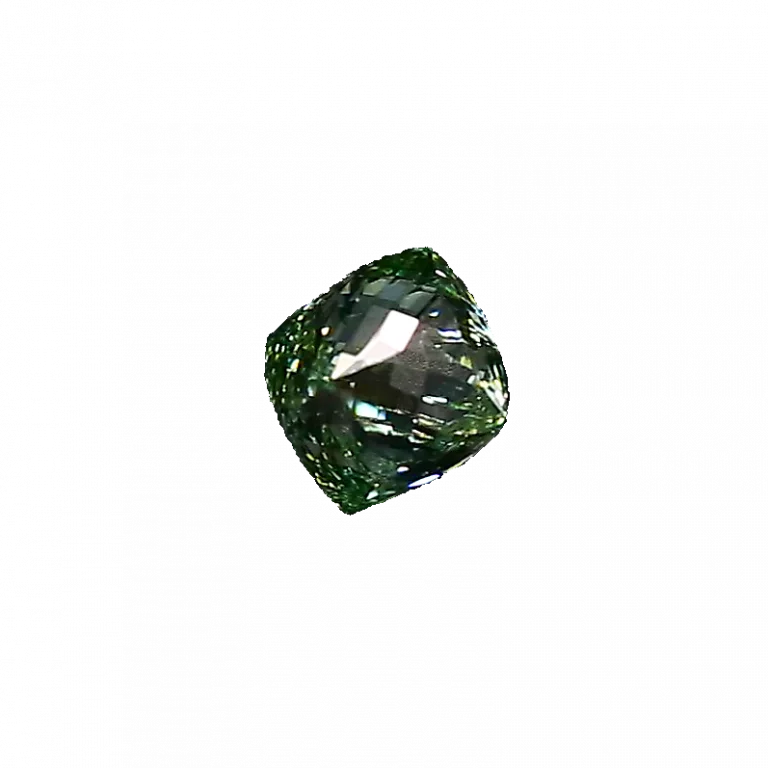
2.98 Ct. Fancy Intense Green SI1 Briolette
A green faceted briolette with a sculptural form.