Prepared by the Imperial Cushions editorial team. Laboratory terminology is retained where a report is cited; historical context and dealer judgment are identified as interpretation.
Read a fancy-colour diamond through its hue, tone, saturation and distribution. Keep the laboratory’s complete colour description beside the photographs, because every modifier contributes to the description.
Keep the full wording
The 3.05 ct Fancy Deep Greenish Yellow diamond is a useful example. Its recorded description includes both the colour combination and the Fancy Deep designation. Broad step facets frame that colour in an octagonal outline.
Watch how the cut distributes colour
View the diamond face-up and at a slight tilt in neutral light. Look for concentrated colour, softer areas and dark reflections. Repeat with the intended metal nearby, since the surroundings can change the appearance on the hand.
For an antique jewel, inspect the mounting as well: a closed back, foil or darkened metal may influence the colour you see. Request the recognised laboratory report, confirm its colour-origin finding and read any treatment comments. For sourcing, share the colour description and the visual effect you prefer through the Trade Sourcing Desk.
How coloured diamonds are graded
Coloured diamonds are graded by hue, tone and saturation, and described with the terms Faint, Very Light, Light, Fancy Light, Fancy, Fancy Intense, Fancy Vivid, Fancy Deep and Fancy Dark. A modifier such as “greenish yellow” or “pinkish orange” describes a secondary hue. The grade is assigned to the face-up appearance of the stone, which means the cut has a direct effect on the result.
Why the cut changes the colour
Modern cutters often shape coloured diamonds to concentrate colour face up. Antique cutters did not; they cut to save weight and to create brilliance by candlelight. As a result, an antique coloured diamond can show its colour less evenly, with lighter areas under the table and stronger colour towards the corners. Some collectors prize this as a sign of an original cut. When comparing, judge the overall face-up impression in daylight rather than the most saturated photograph.
Natural colour and its origin
For a coloured diamond, the most important line on a report is the origin of colour. A reputable laboratory states whether the colour is natural or the result of treatment such as irradiation, annealing or high-pressure, high-temperature processing. Natural colour, documented, is the basis of value. Treated stones can be attractive, but they are a different product and should be priced and described as such.
What to look at
- The colour grade, any modifier, and the origin of colour statement.
- Colour distribution: even, zoned, or concentrated at the edges.
- Transparency: a clear stone shows colour more beautifully than a hazy one at the same grade.
- The setting metal: yellow gold can strengthen yellow and orange tones; platinum keeps blue, green and pink tones cleaner.
- Consistent lighting across all photographs and videos you compare.
Rarity and value
Within natural coloured diamonds, rarity varies greatly by hue. Pinks, blues and greens are far rarer than yellows and browns, and saturation matters as much as hue. Size and clarity play a smaller role in coloured stones than in colourless ones. For antique coloured diamonds, an original cut in good condition adds collector appeal on top of the colour itself.
Asking the right questions
Request the full report, daylight video, a view of the stone beside a colourless reference, and a note on any repairs or recutting. If you are building a collection, we can also look for stones that complement one you already own.
See the details in a stone
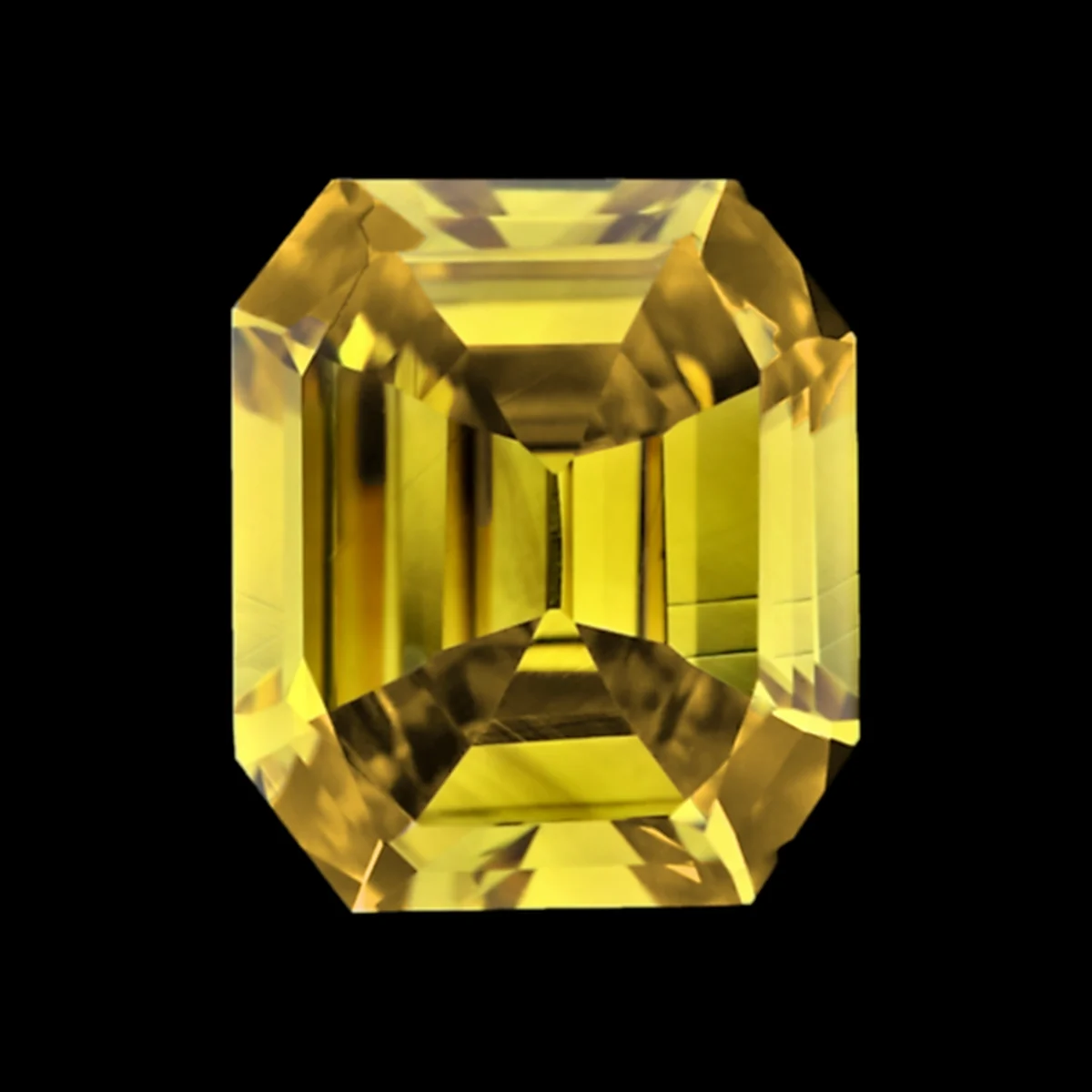
3.05 Ct. Fancy Deep Greenish Yellow VVS2 Old Emerald Cut Type Ib
A yellow step-cut diamond with long facet bands and a Gubelin report.
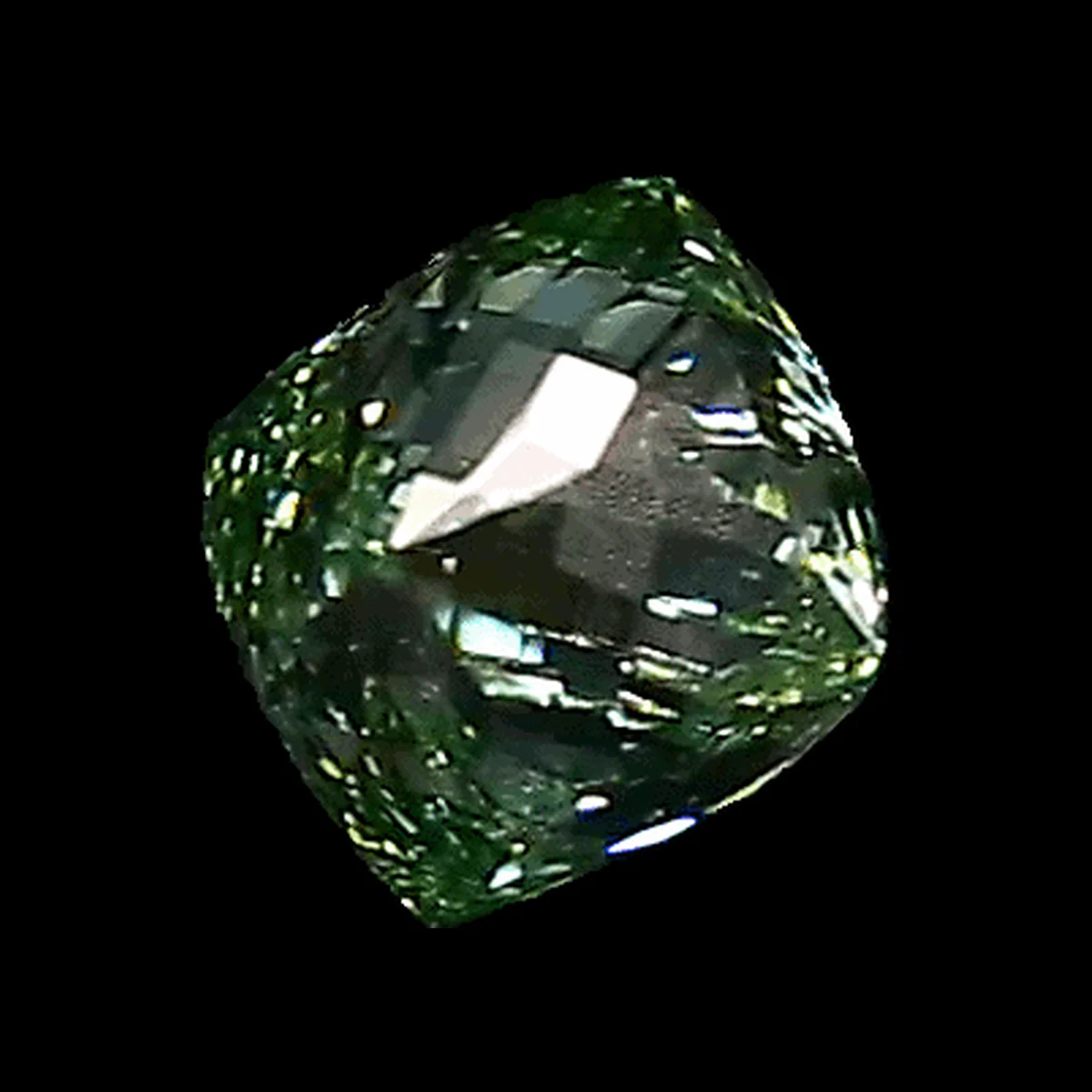
2.98 Ct. Fancy Intense Green SI1 Briolette
A green faceted briolette with a sculptural form.